





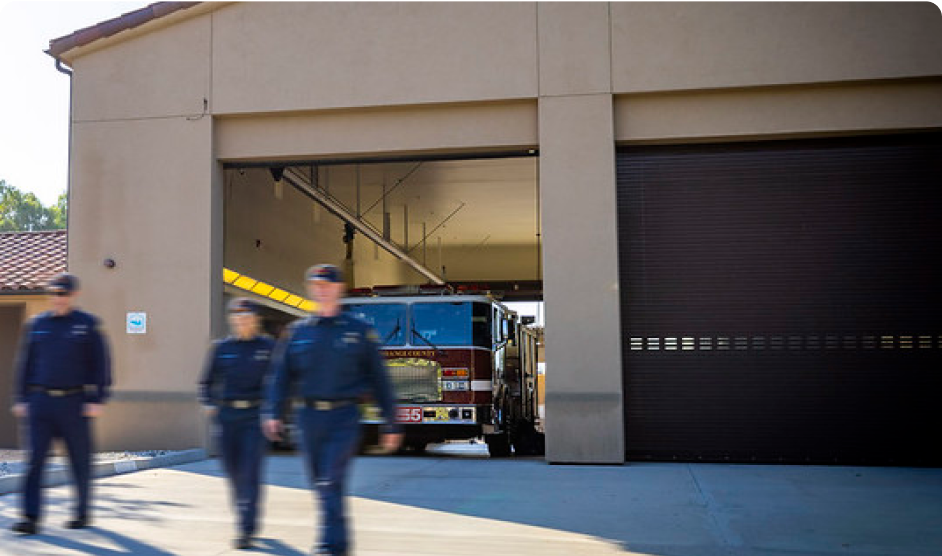



Welcome to the Orange County Fire Authority's Online Home Assessment tool. If you are looking for a Defensible Space Disclosure inspection for a real estate transaction, please click here to be redirected.
This online Home Assessment tool covers the basics of both Home Hardening and Defensible Space principles. You will be guided through a series of questions about your home and its surroundings. At the end you will be given the opportunity to receive an emailed report that will provide recommendations for fire hazard mitigation strategies.
Reducing home ignitions and wildfire losses requires a proactive team of residents, fire agencies, and other community members. Thank you for taking the first steps to make your home, your family, and your community safer and better prepared for the next wildland fire event!
For more information or help with the Home Assessment tool, please call (714) 573-6774 or email us at RSGOC@ocfa.org .
To request an in-person home assessment with an OCFA Fire Prevention Specialist, click here.
ROOF COVERINGS
The roof on your home, its composition, any features (dormers, solar panels, skylights, etc.) and the condition in which they are maintained are critical factors in preventing ignition. Roofs that are ignition resistant are:
- Made from noncombustible material (tile, asphalt, metal, etc.)
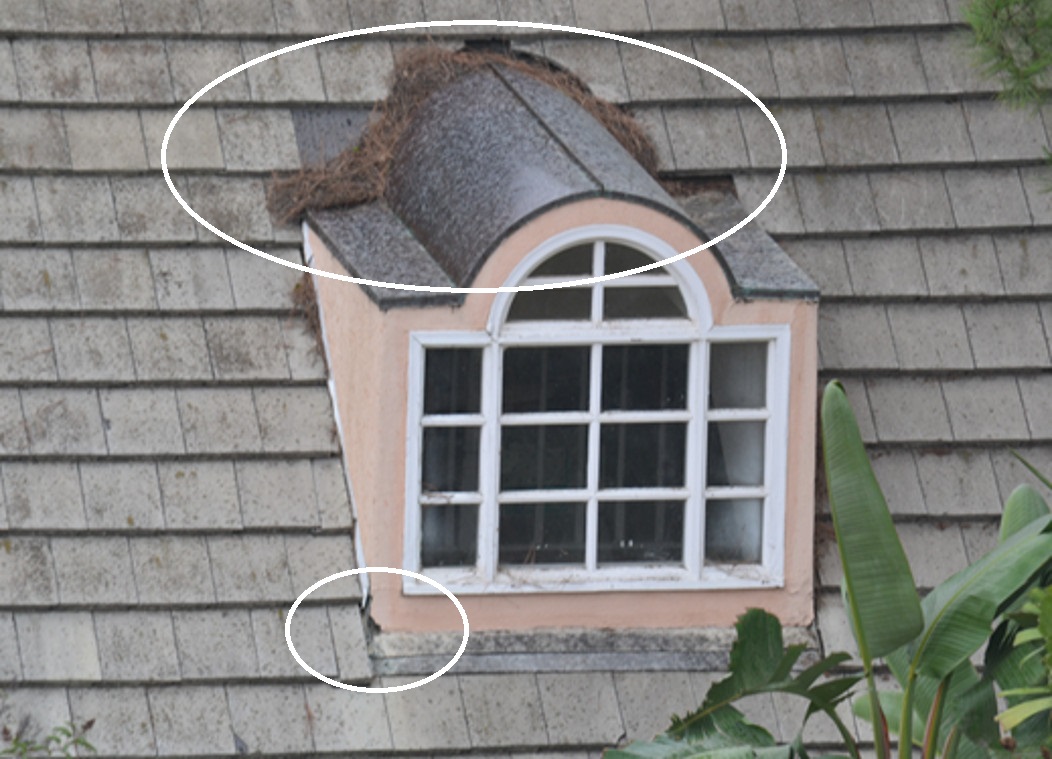
- Simple in design with minimal vertical projections (dormers, etc.) and junctions where embers and combustible debris can collect
- Free from gaps, cracks, and openings that allow embers to collect or enter
- Kept free of combustible debris (leaves, pine needles, etc.)
Click on the picture of your roof covering below.
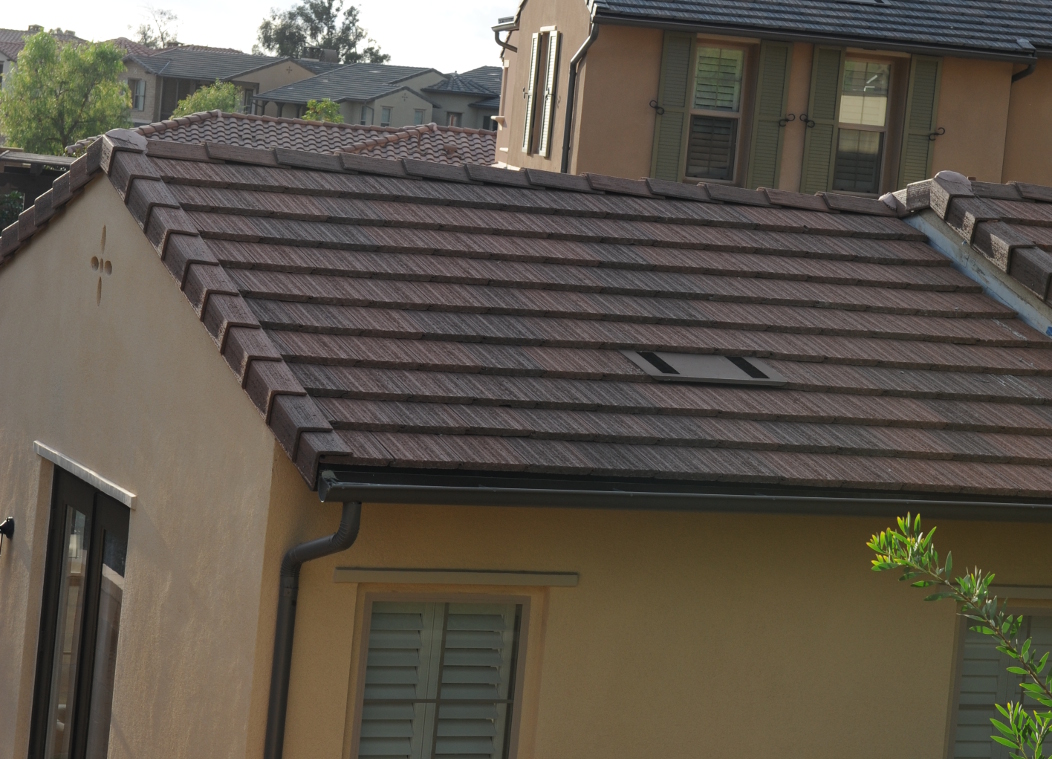
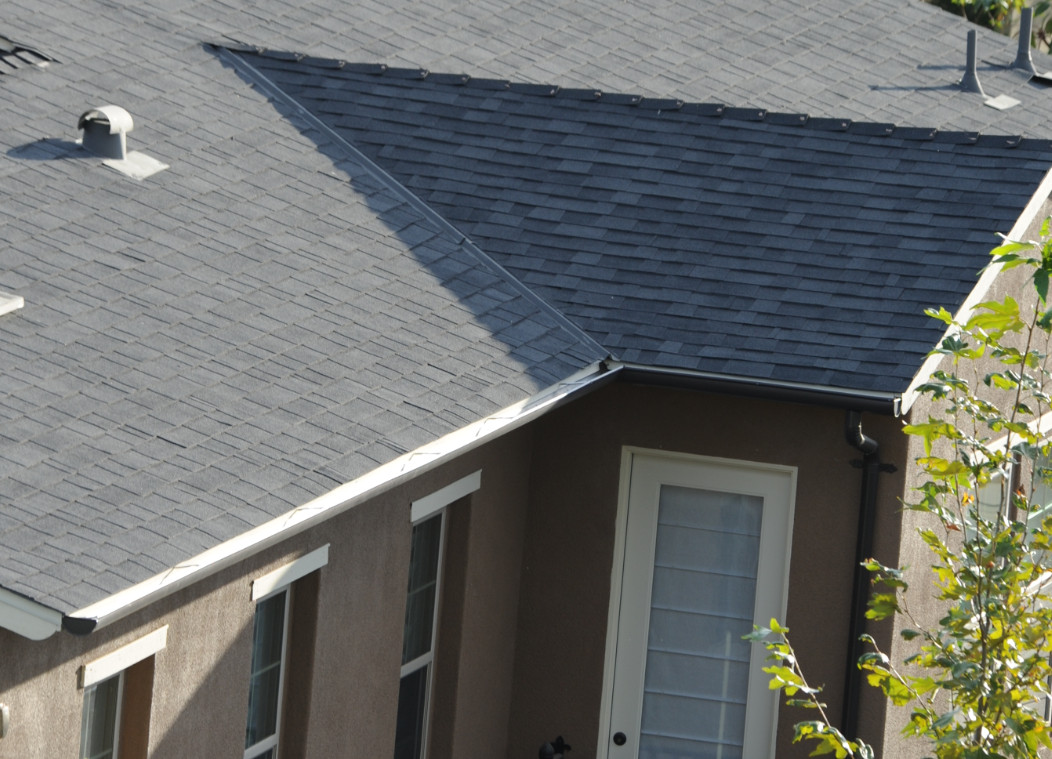
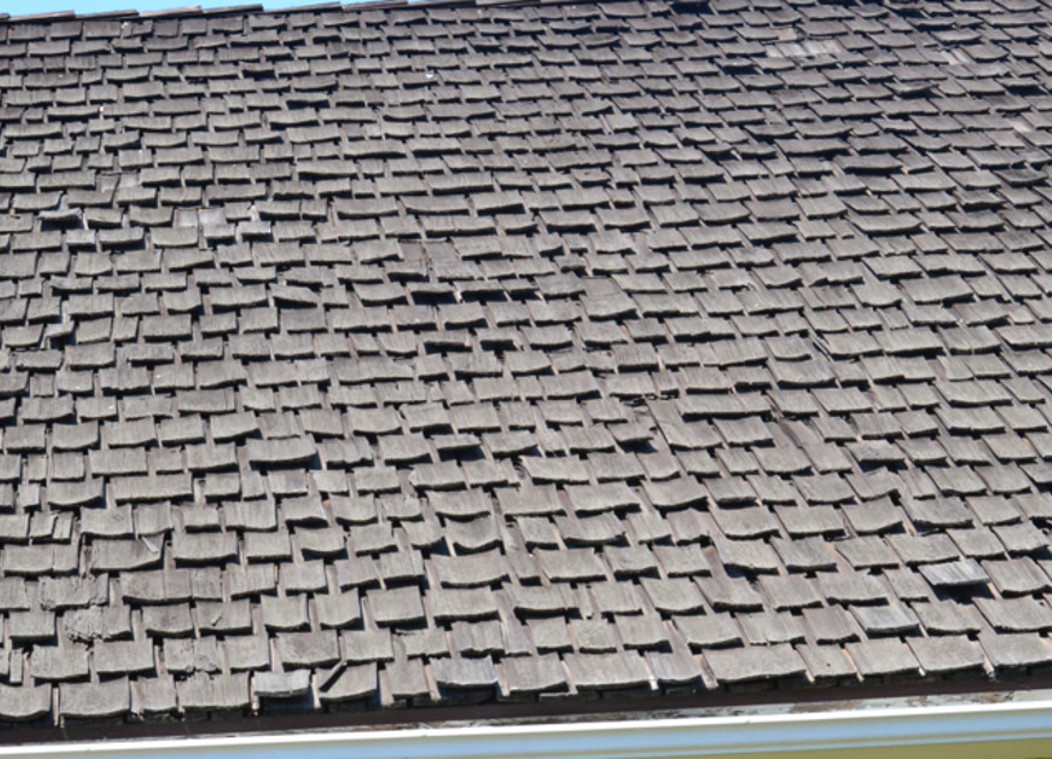
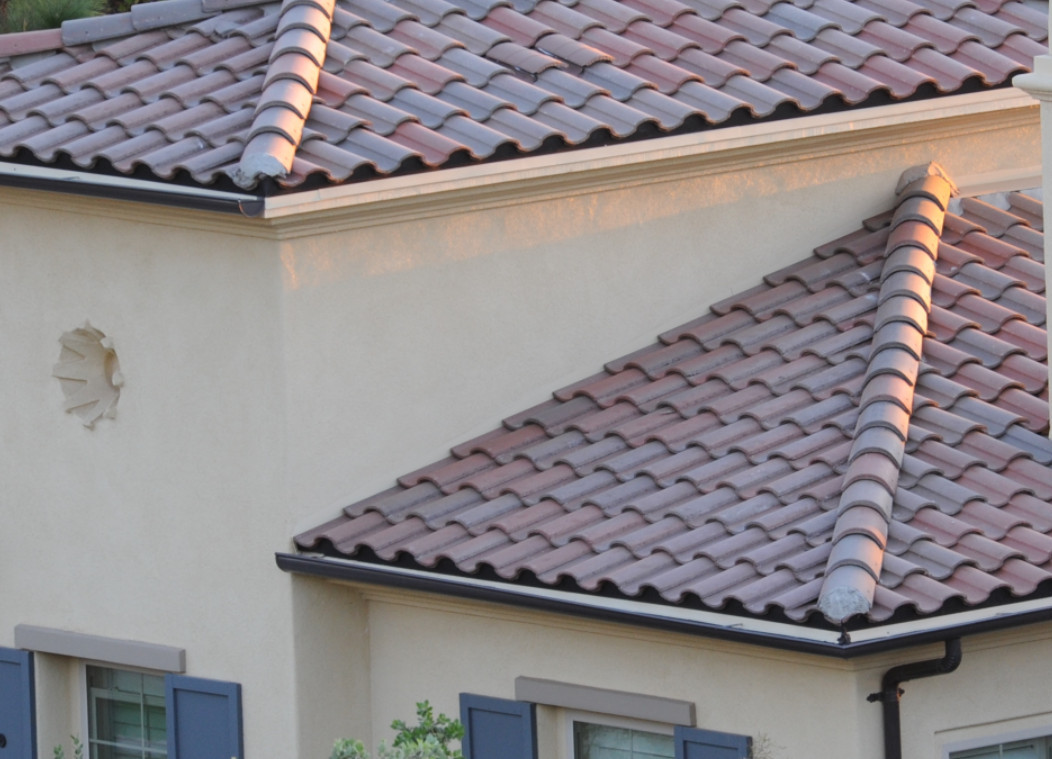
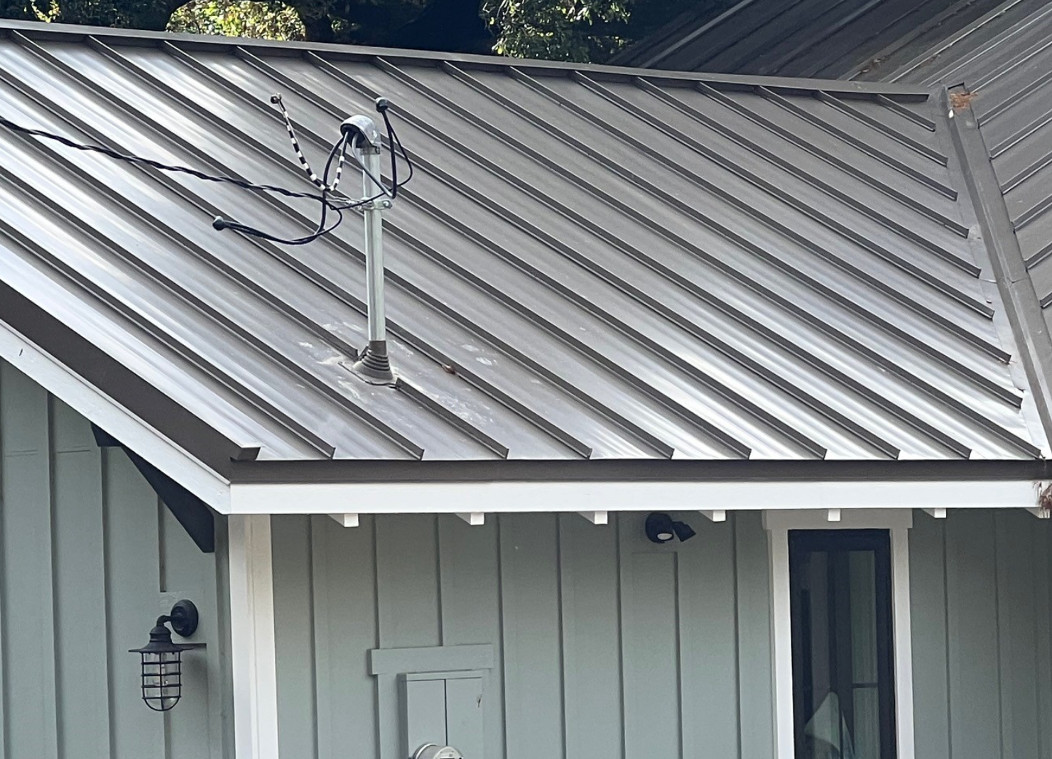
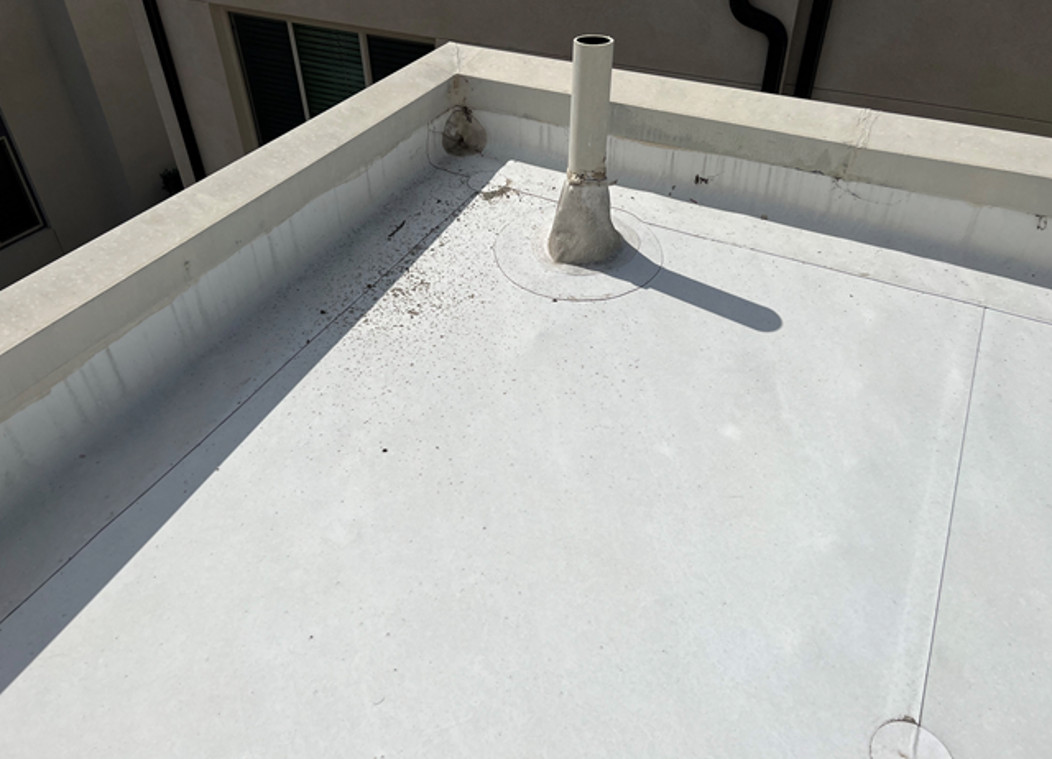
Click on the image below that depicts the condition of your roof.
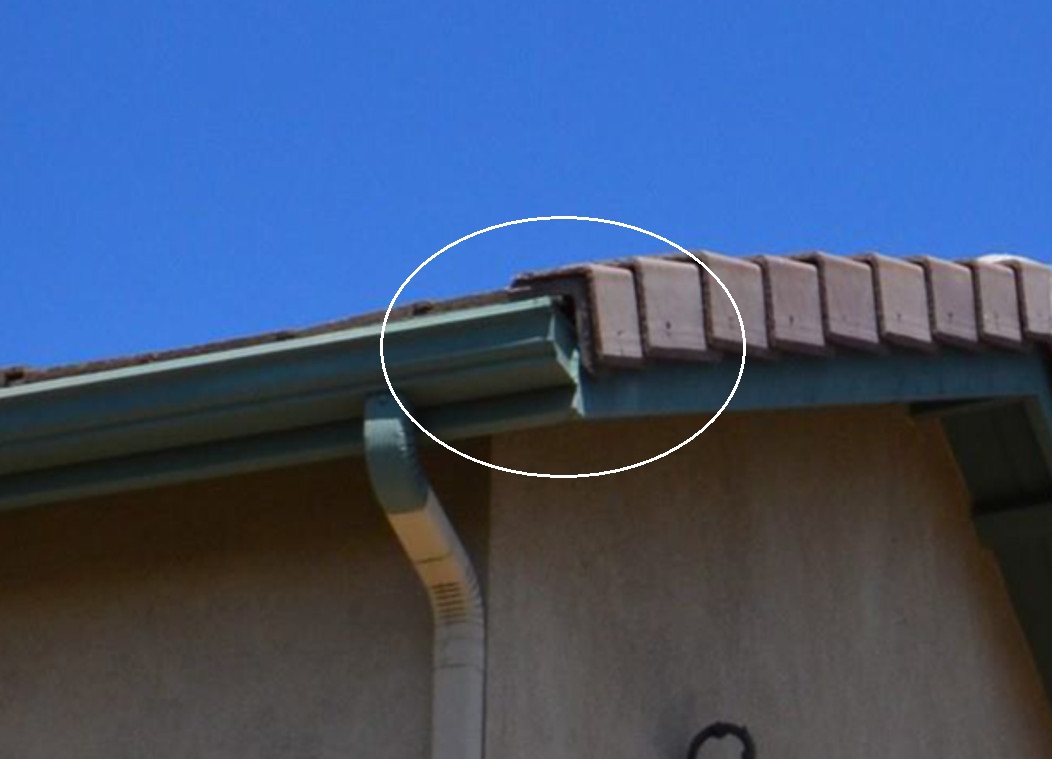
Click on the image below that depicts the condition of your roof.
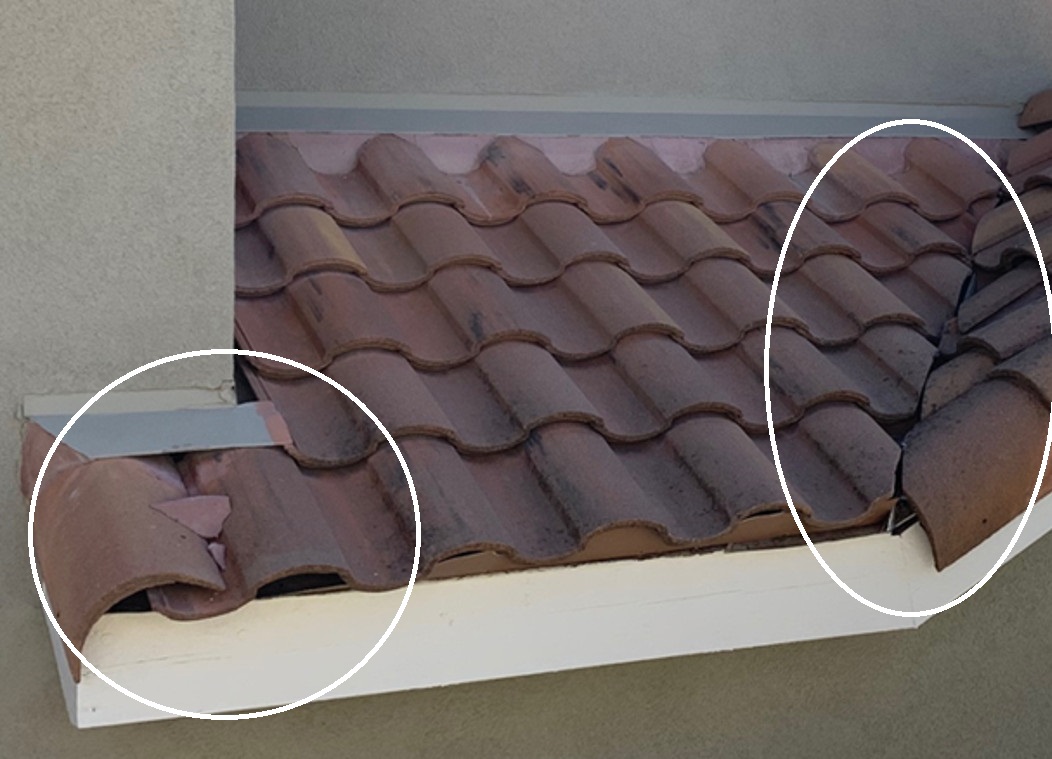
Click on the image below that depicts the condition of your roof.
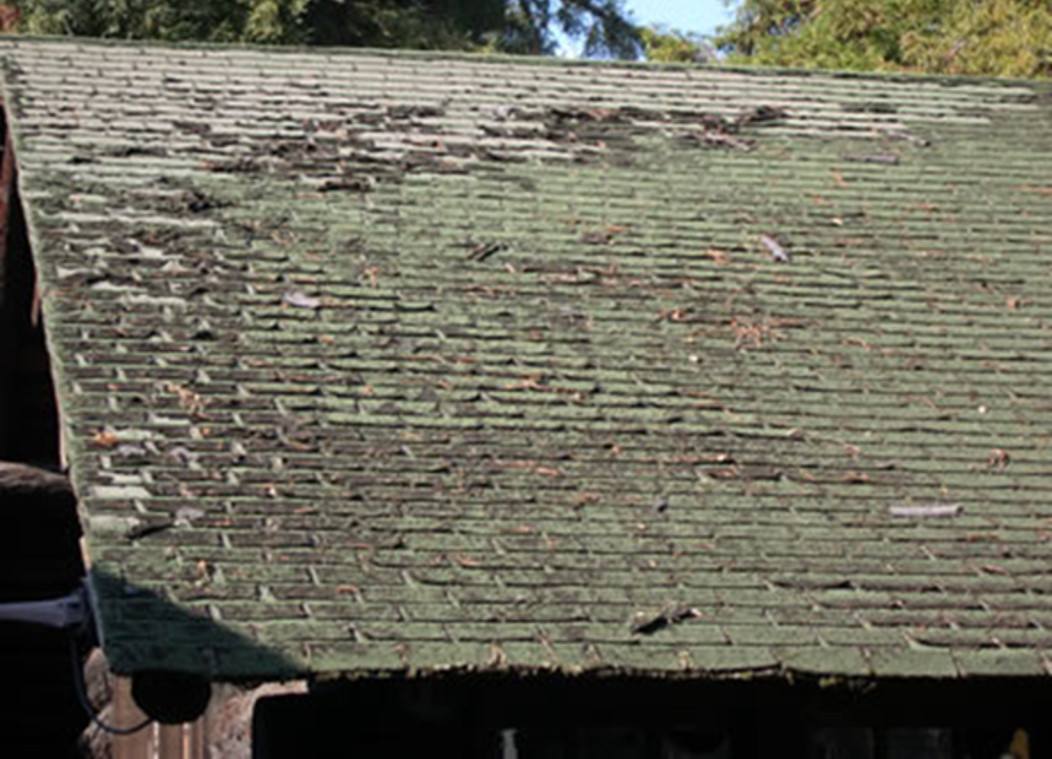
Click on the image below that depicts the condition of your roof.
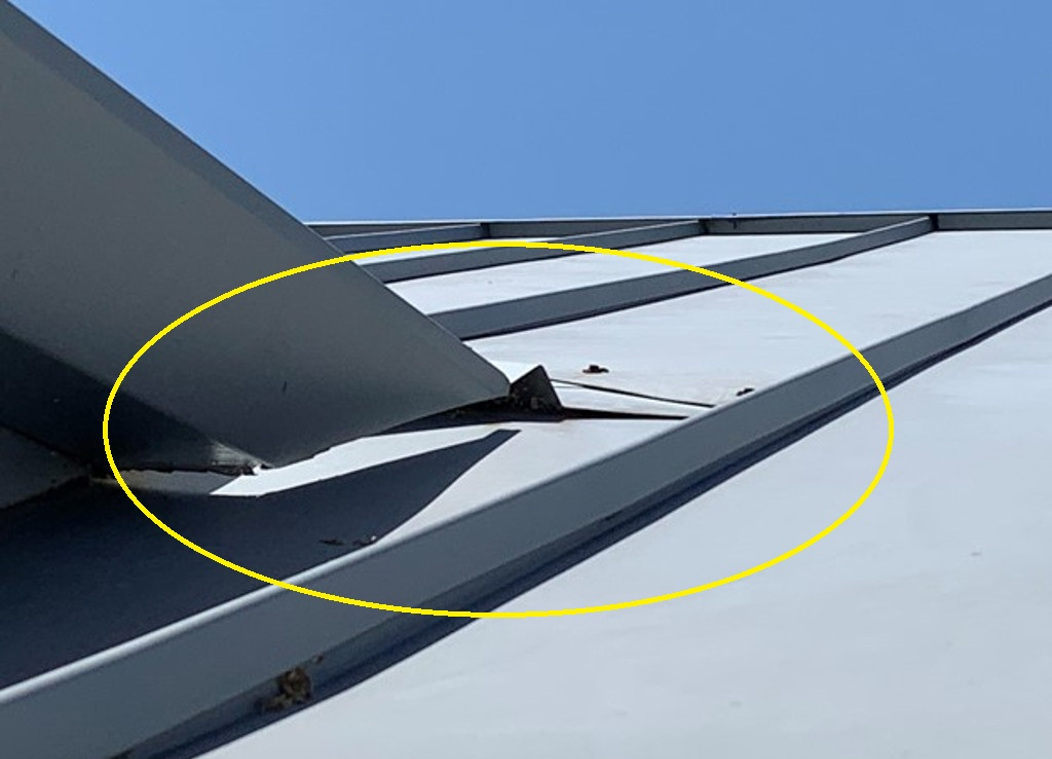
Click on the image below that depicts the condition of your roof.
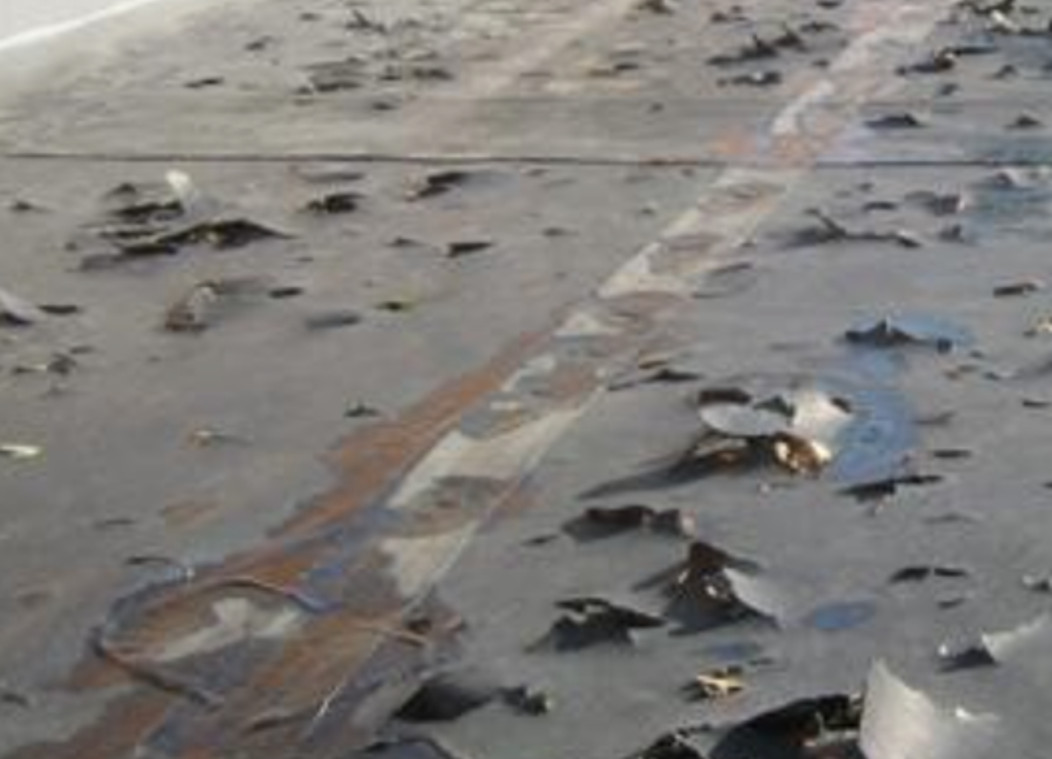
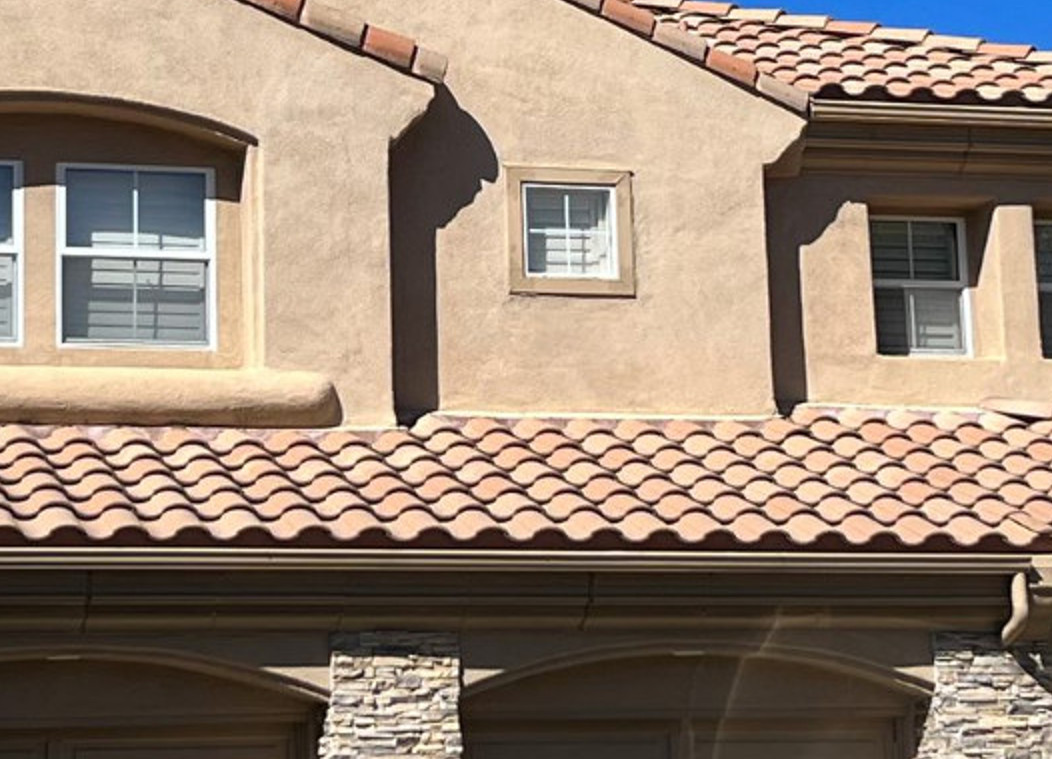
Choose every type of roof feature your home has by clicking on the pictures below, then click "Next". If your home has no roof features, just click "Next".
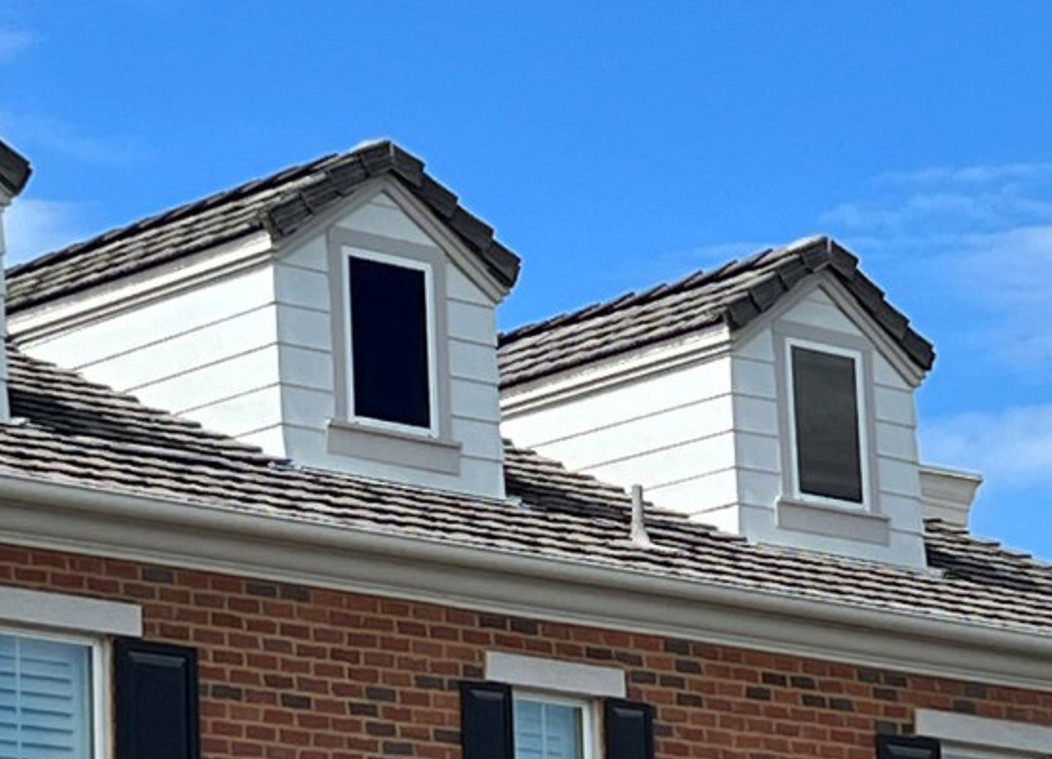
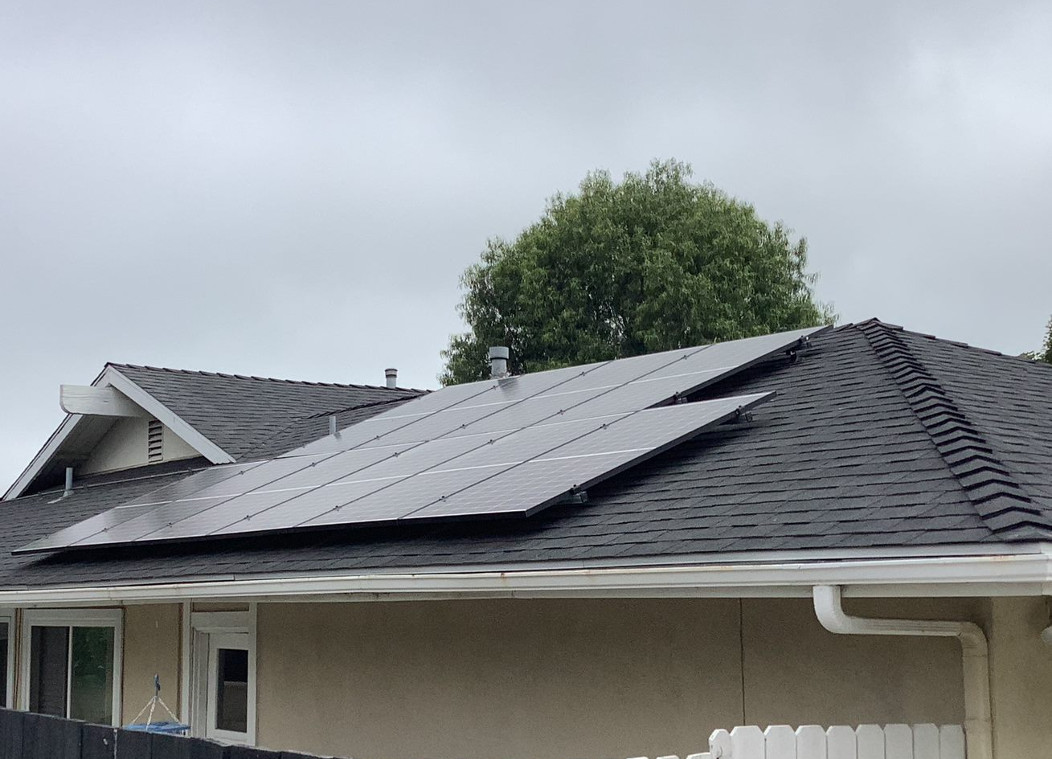
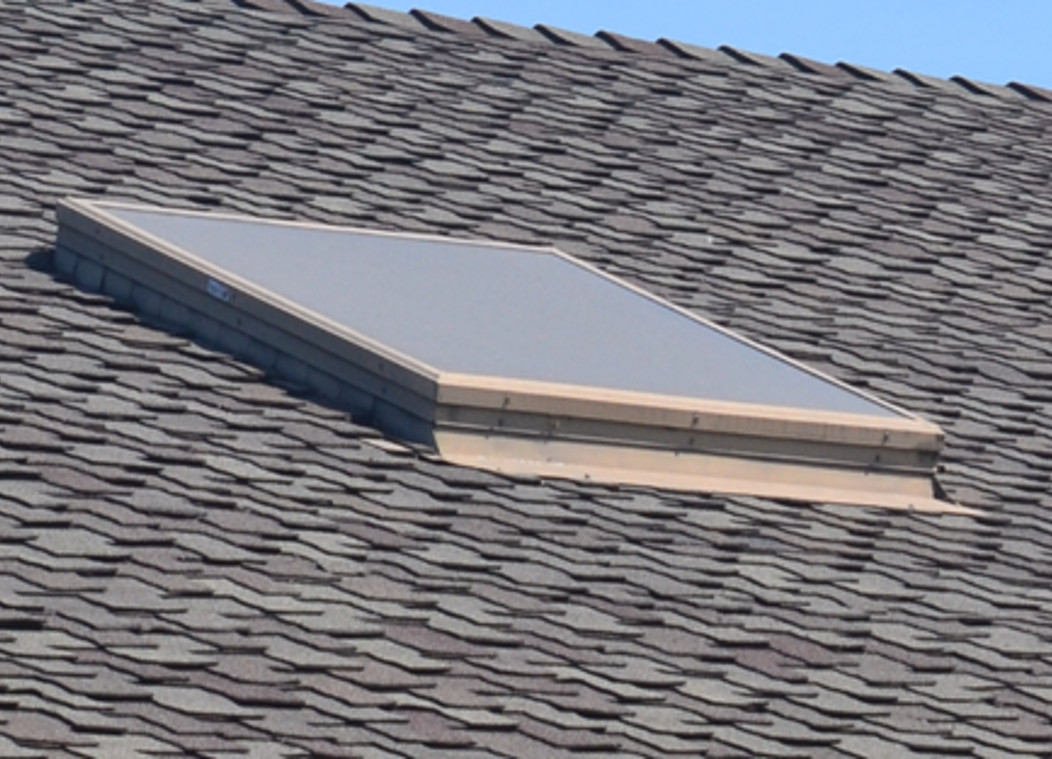

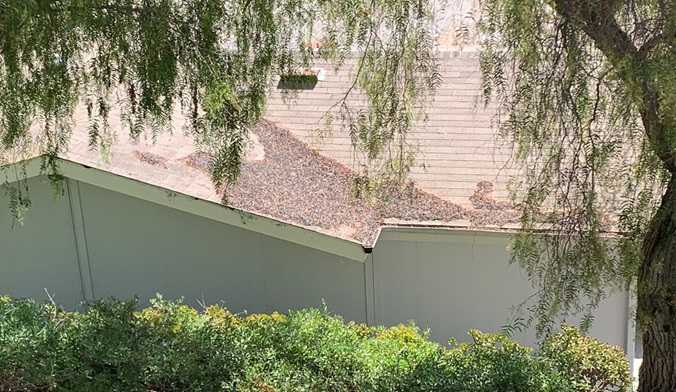
Click on the picture below that depicts the condition of your home's dormer/roof junctions.
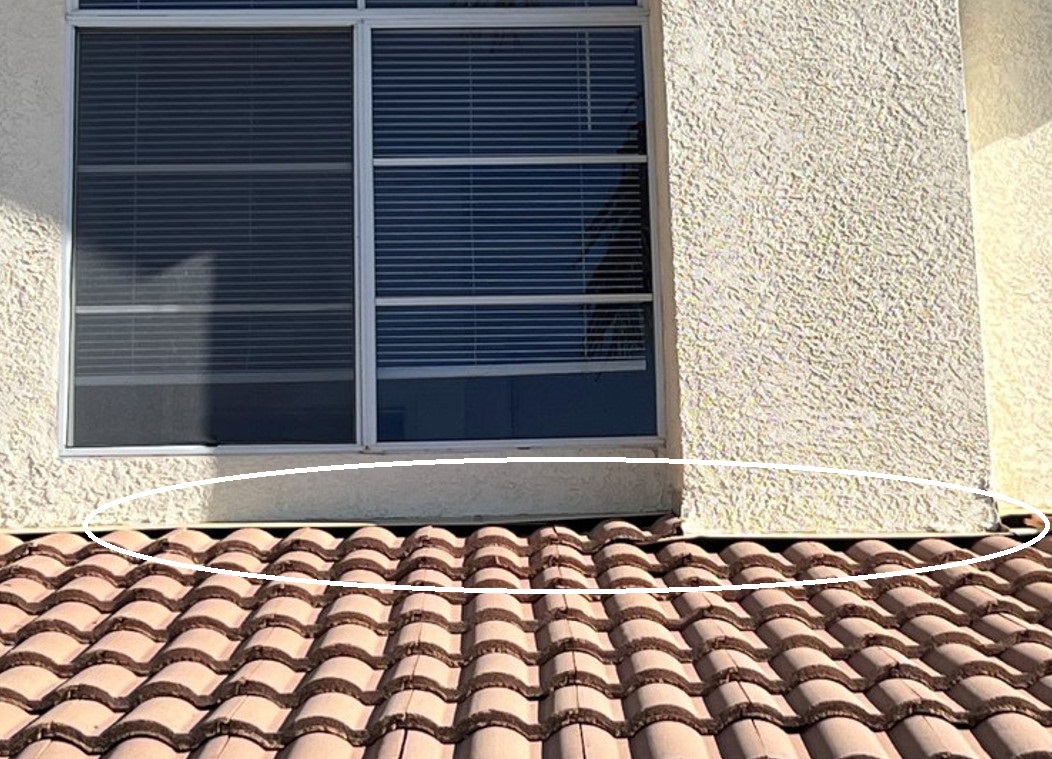
Click on the picture below that depicts the condition of your home's roof/wall junctions.
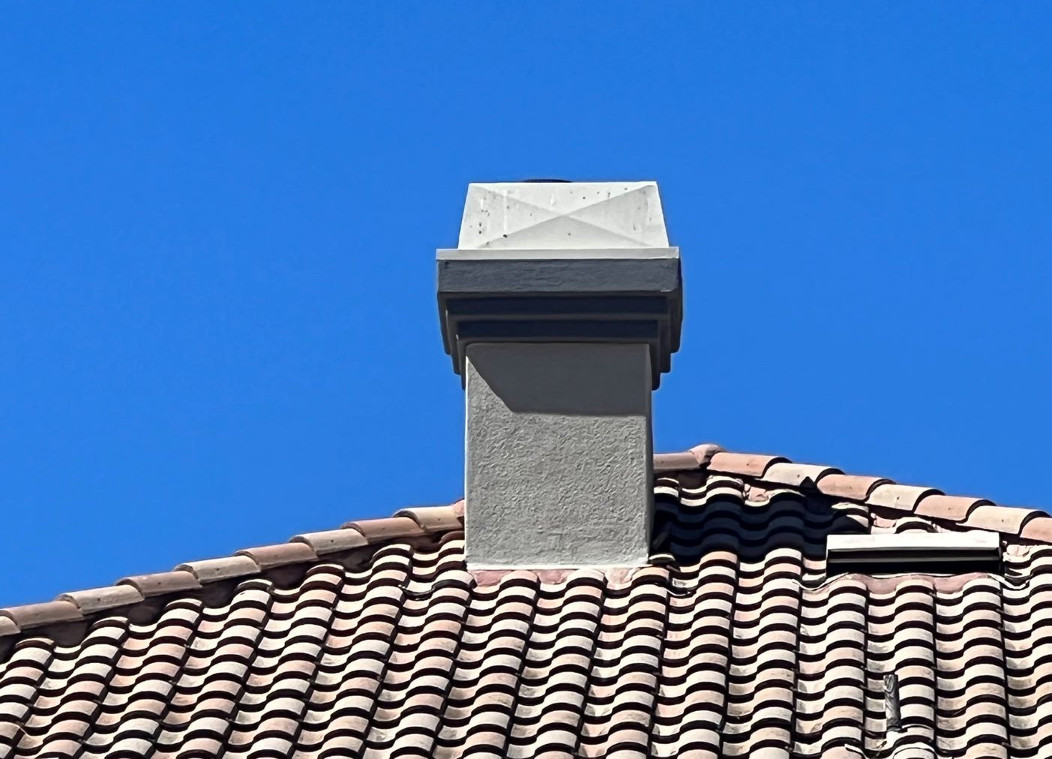
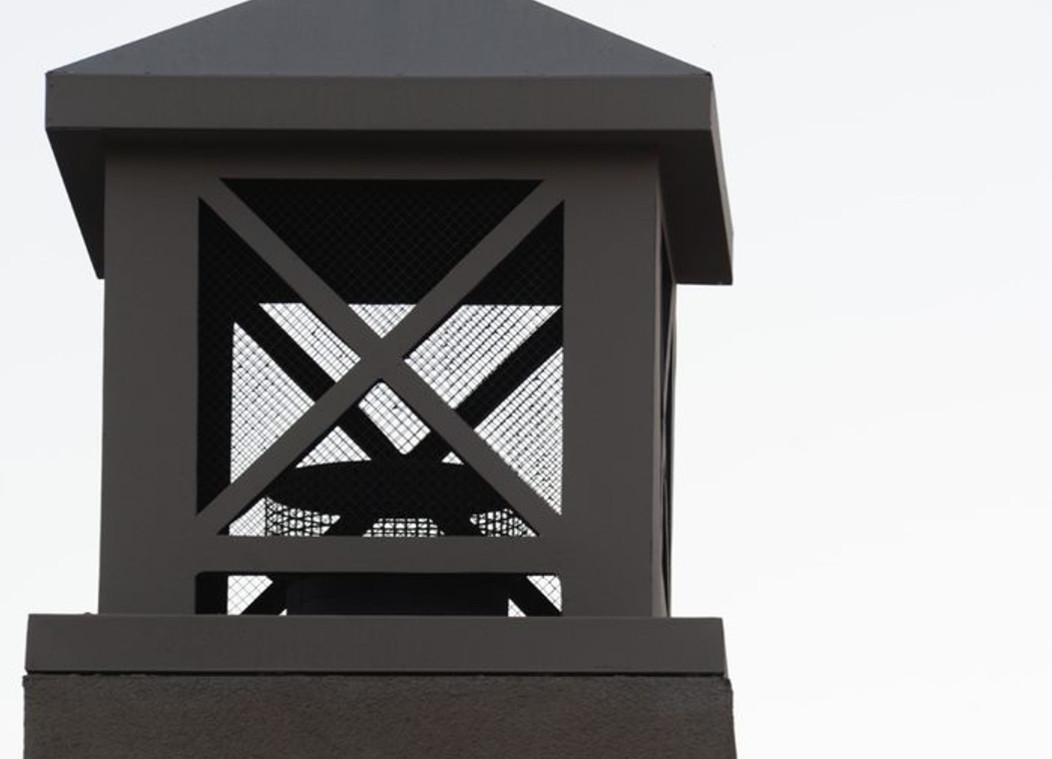
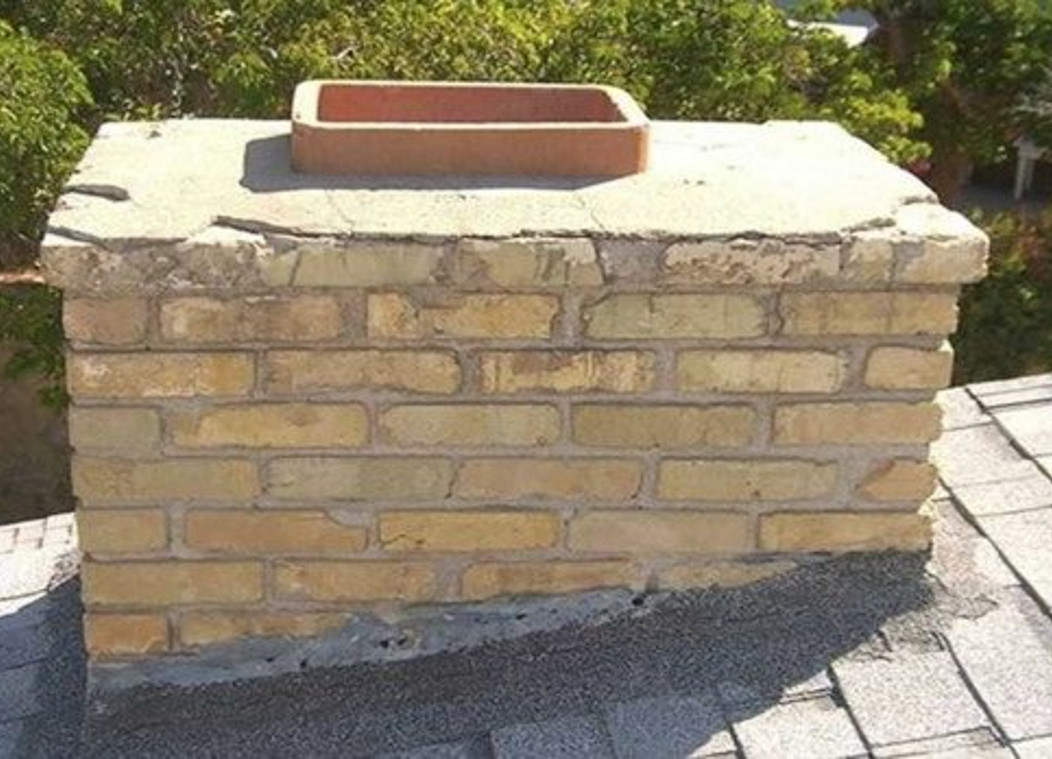
Click on the picture below that depicts how your chimney meets your roof.
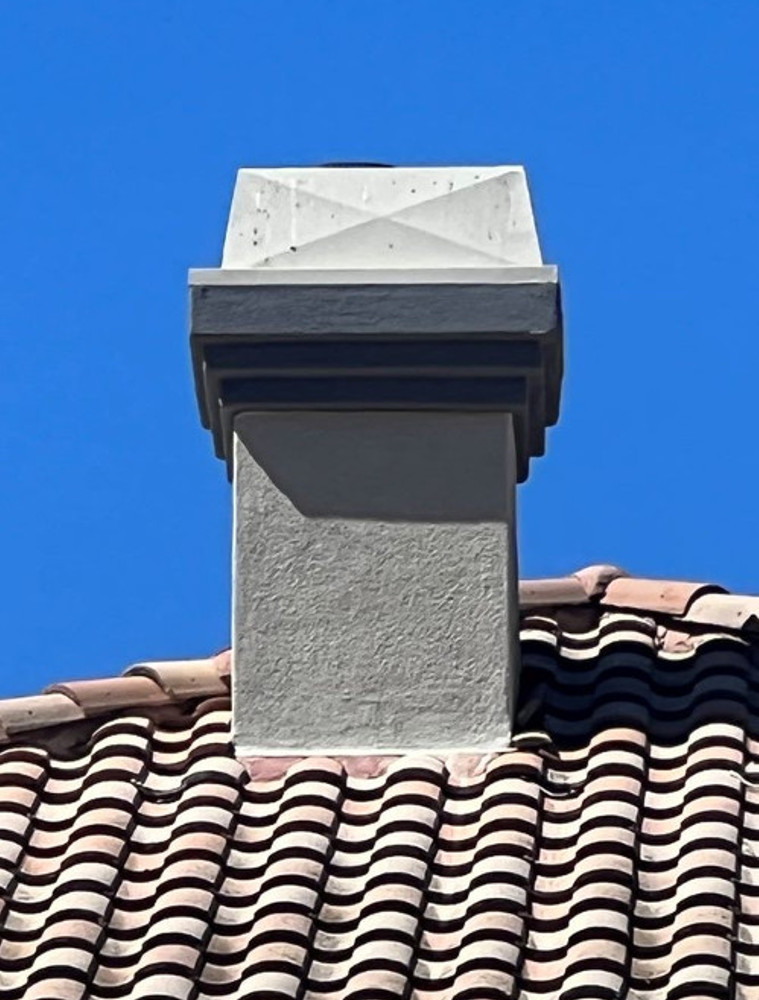
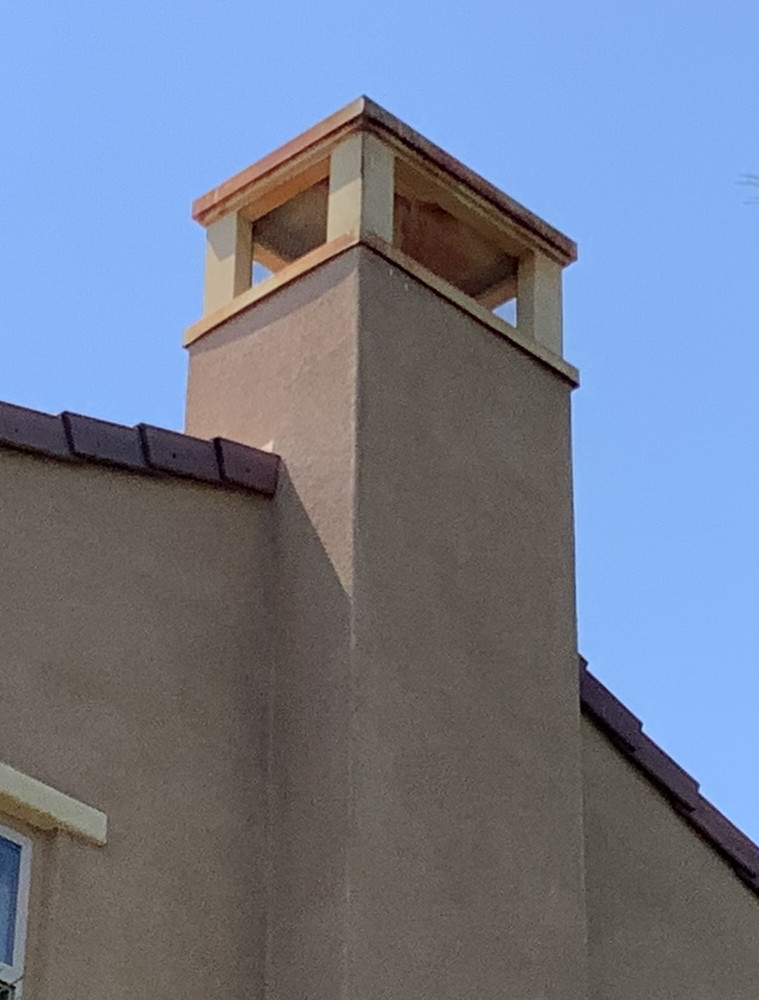
Click on the picture below that depicts the condition of your chimney/roof junction.
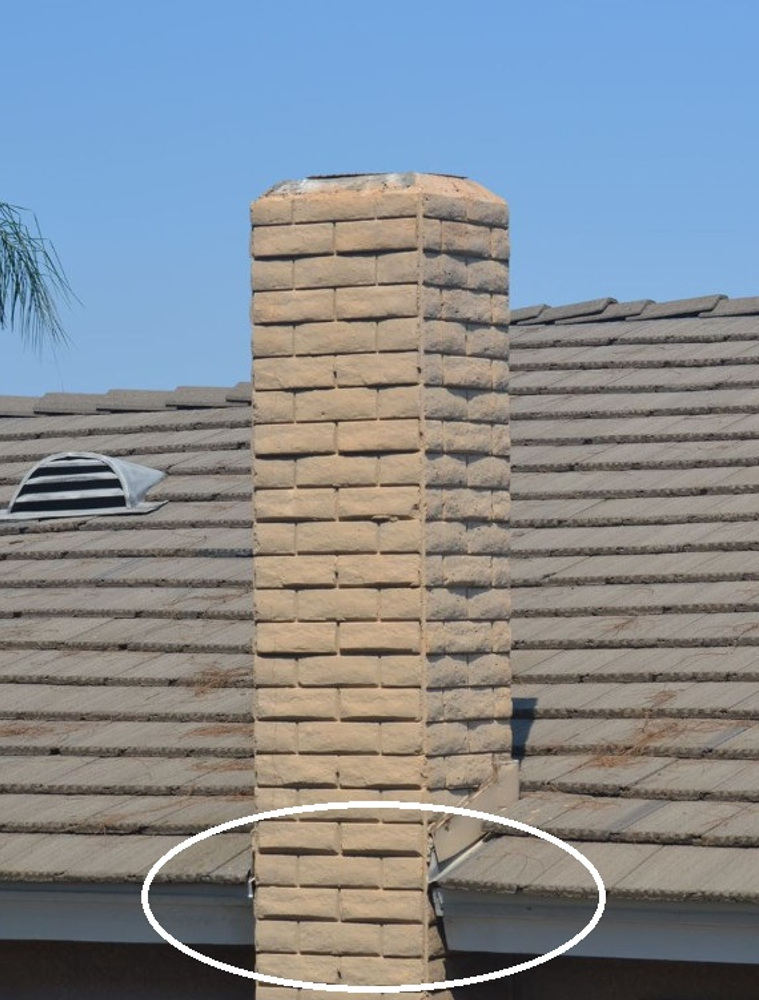
Click on the picture below that depicts the condition of your chimney/roof junction.
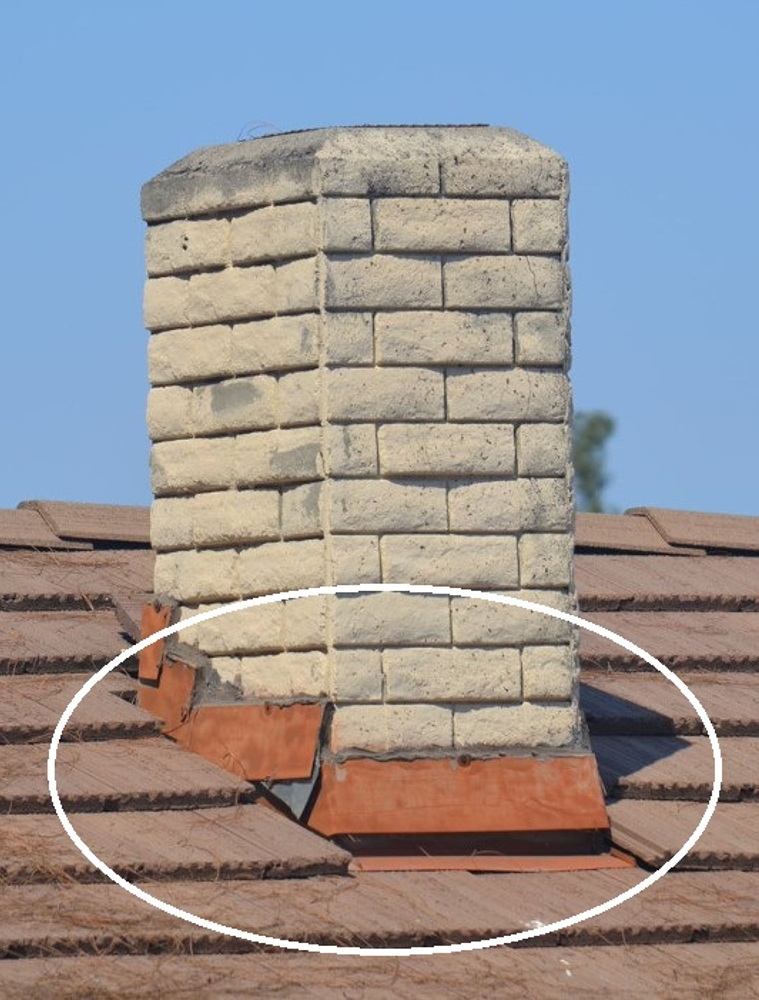
Do all chimneys have spark arrestors with a minimum 1/2-inch metal mesh?
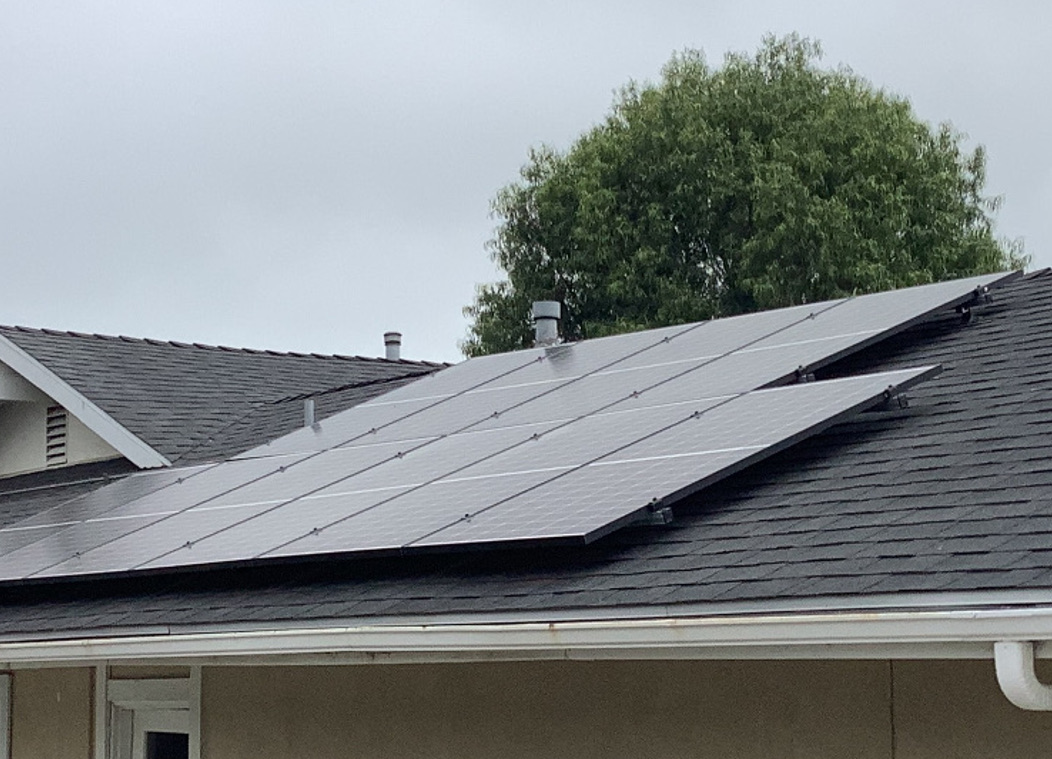
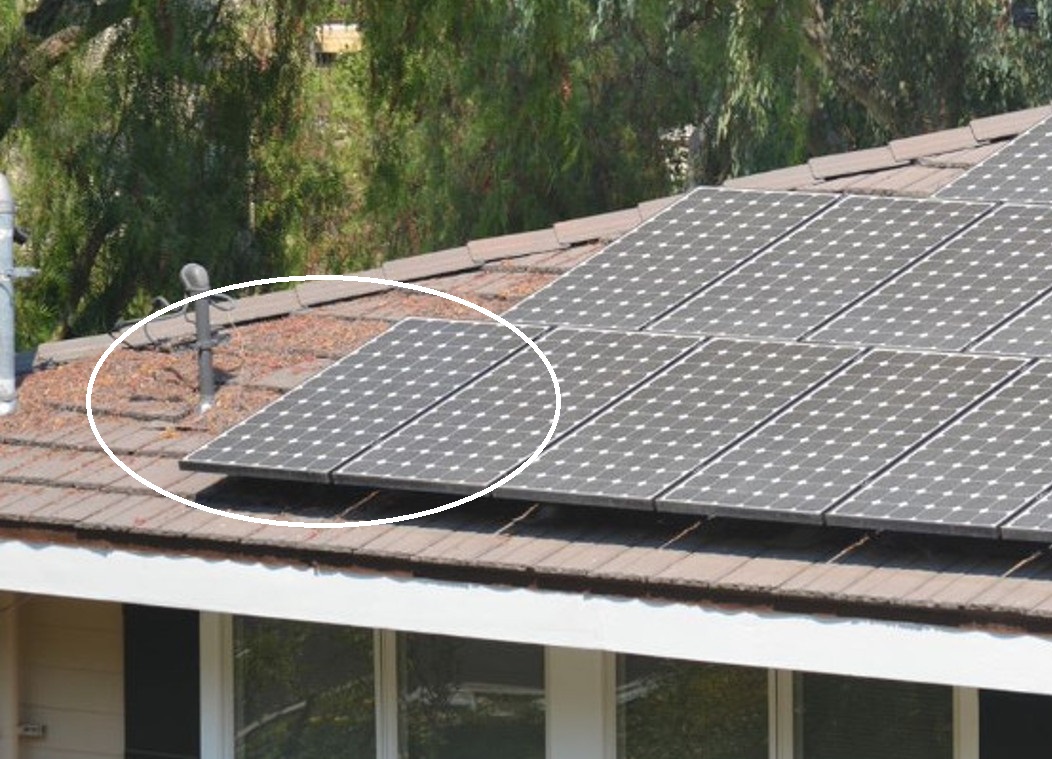
Click on the picture below that depicts the condition of your home's solar panel/roof junctions.
Click on the picture below that depicts the condition of your home's skylight/roof junctions.
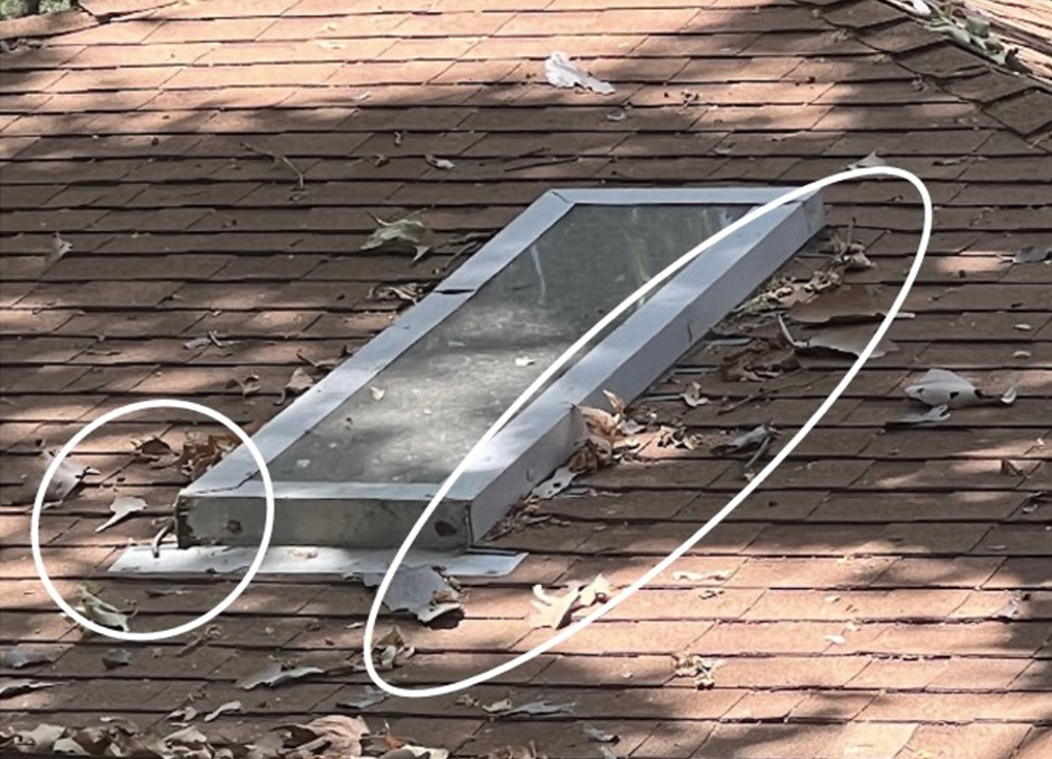
Are all skylights multi-pane with at least one pane being tempered glass and are frames noncombustible (metal)?
RAIN GUTTERS
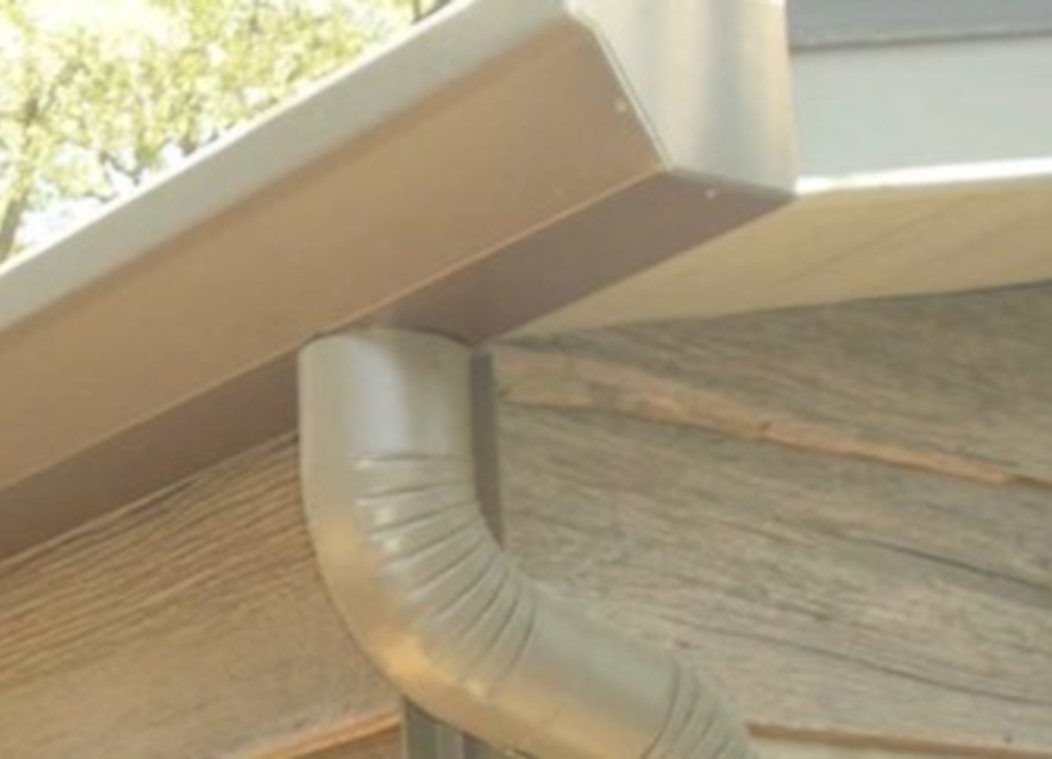
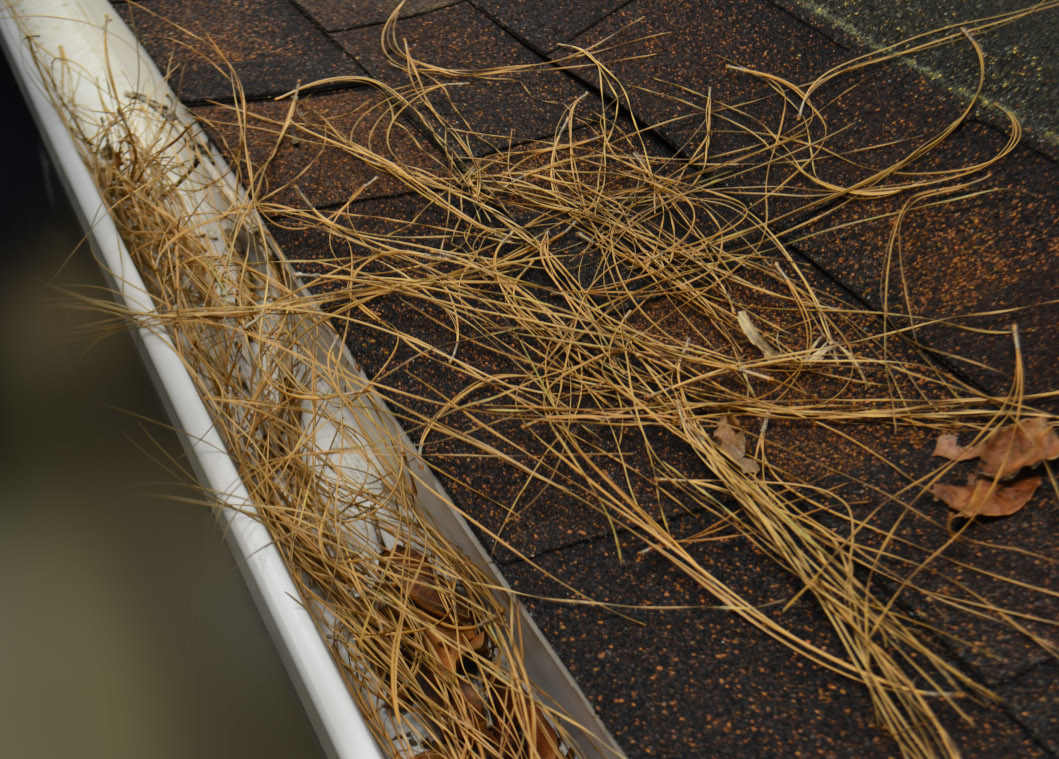
It is critical that rain gutters are kept free of combustible debris (leaves, pine needles, etc.) to prevent ignition. Combustible debris in rain gutters can easily ignite by wind driven embers. Metal gutters containing burning material remain in place and allow flames to come into contact with the edge of the roof. Vinyl gutters containing burning material melt and can cause transmission of fire to combustible material below (vegetation, storage items, exterior wall siding, etc.). Gutter guards when properly installed and maintained can reduce the possibility of gutter fires, the frequency of debris removal, and provide more effective water channeling.
Choose the type of rain gutters your home has by clicking on the picture below. If your home doesn't have rain gutters, just click "Next".
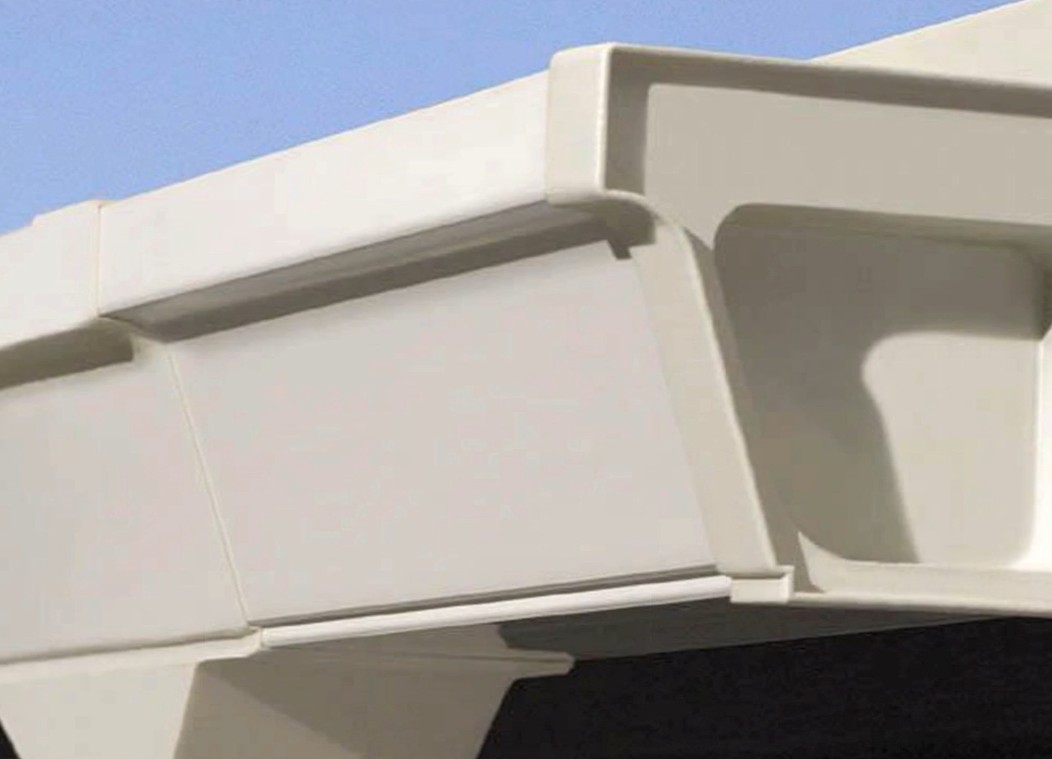
Do rain gutters have guards installed to help prevent debris/leaf litter from accumulating?
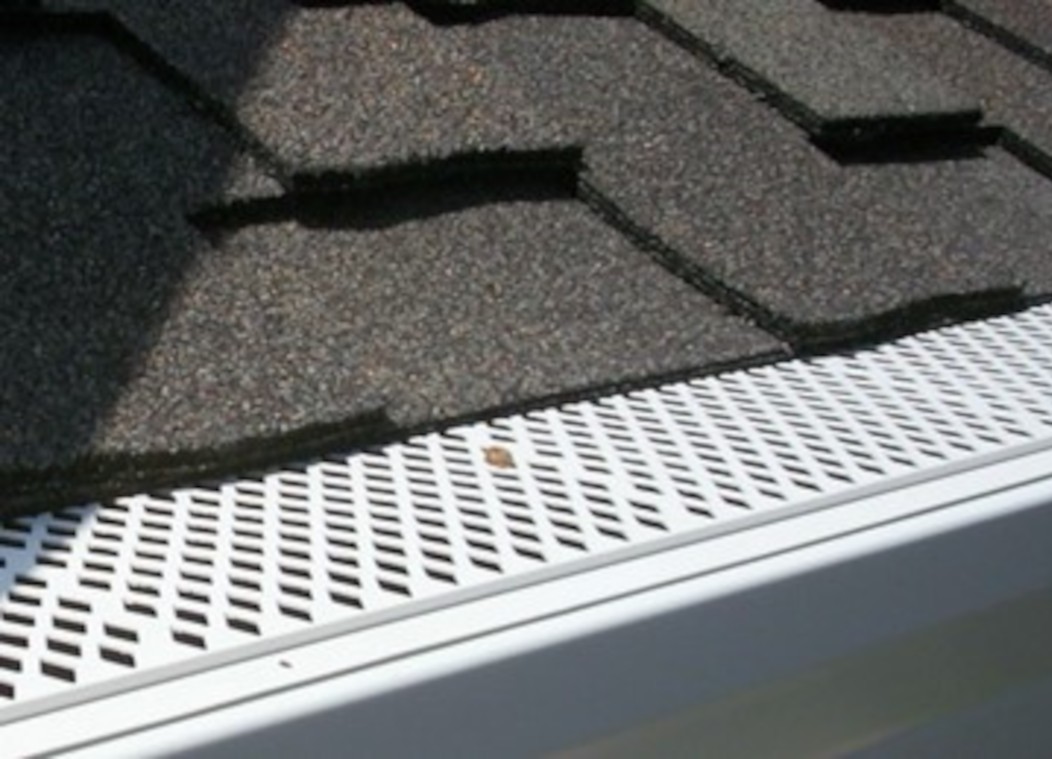
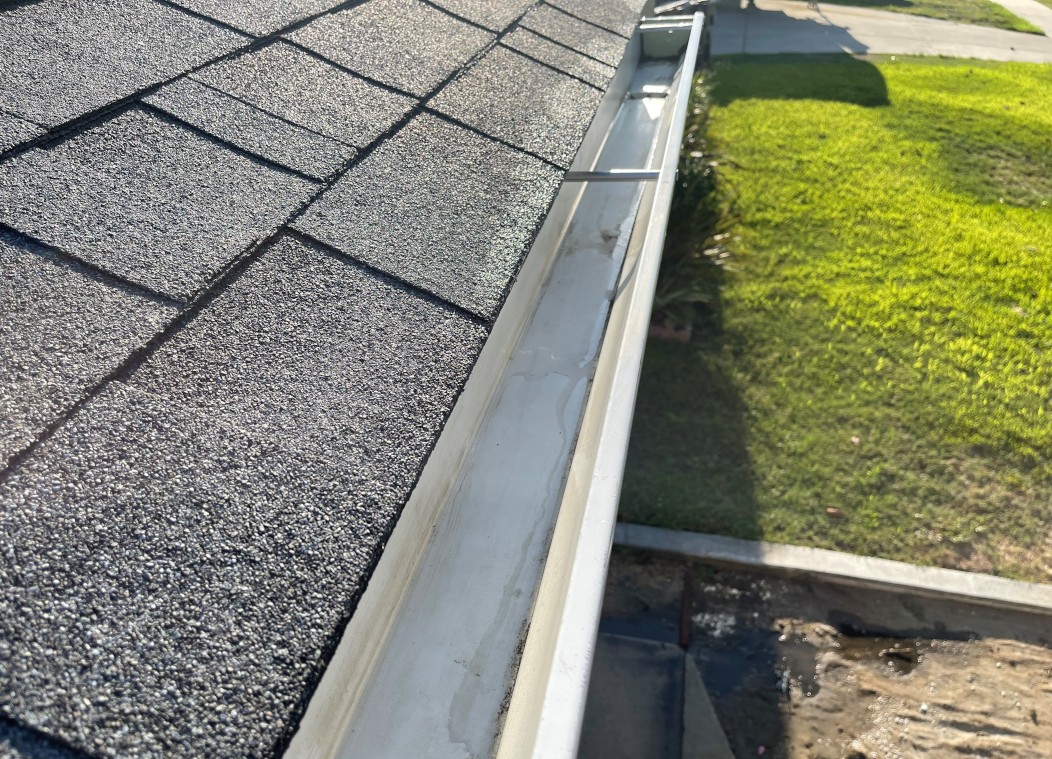
Are gutter guards properly installed to prevent debris/leaf litter from building up in the gutter (no gaps to allow debris and leaf litter to accumulate)?
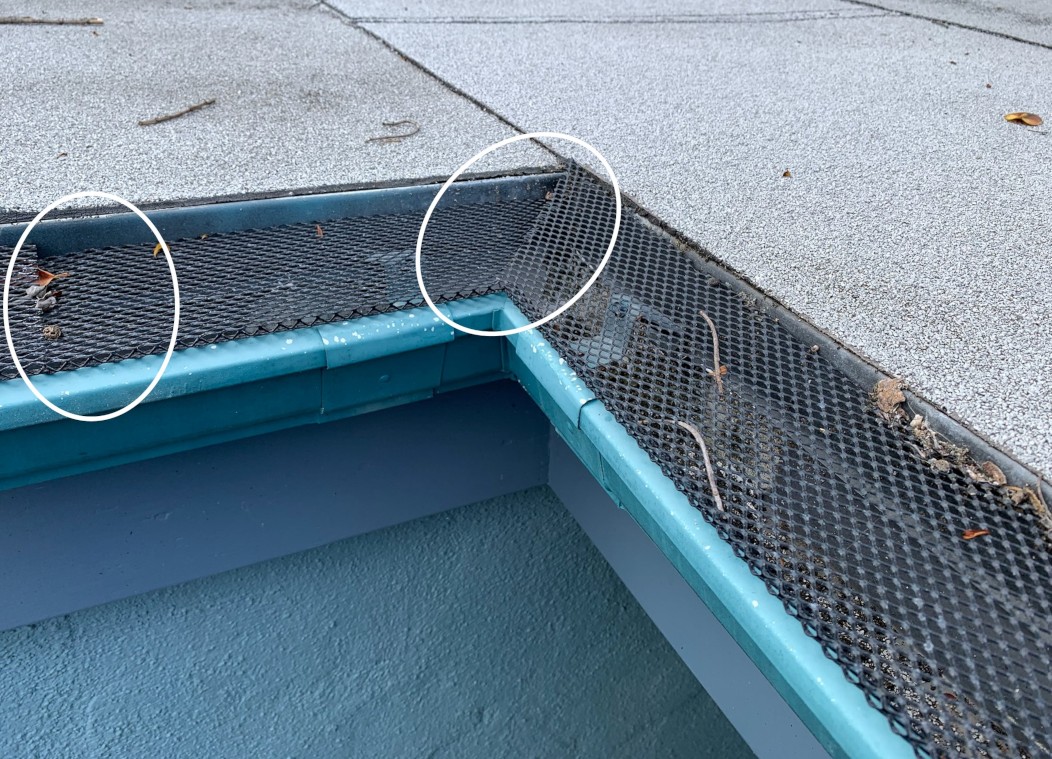
Are gutters free of combustible debris/leaf litter?
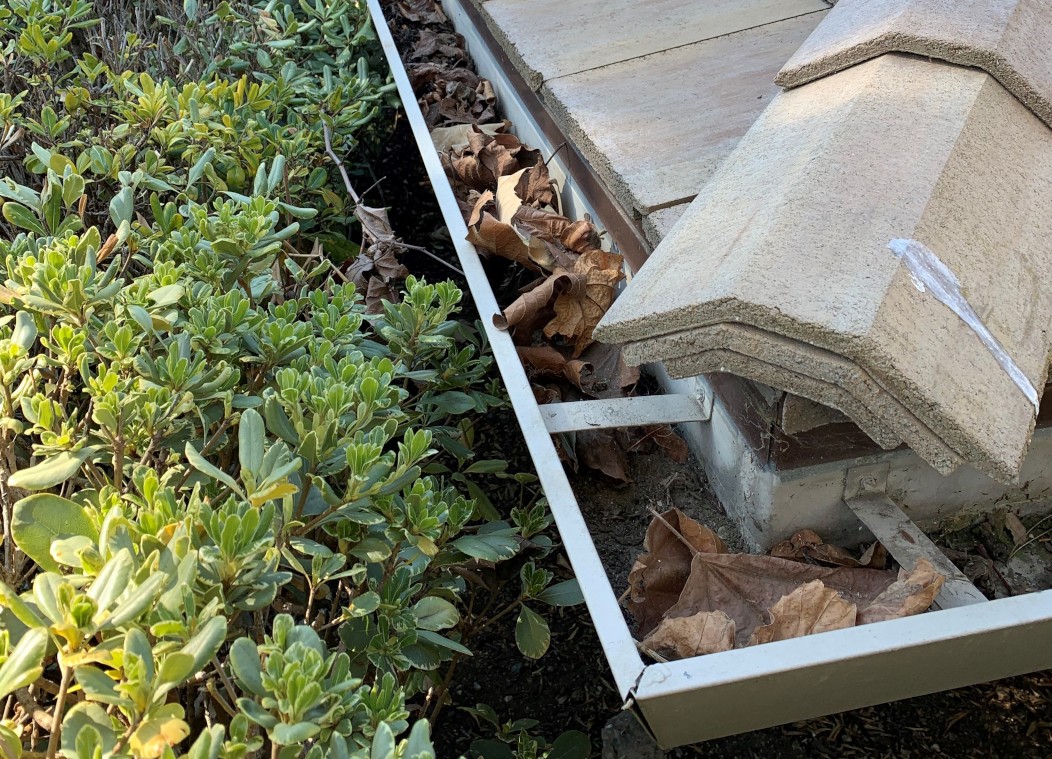
Do rain gutters have guards installed to help prevent debris/leaf litter from accumulating?
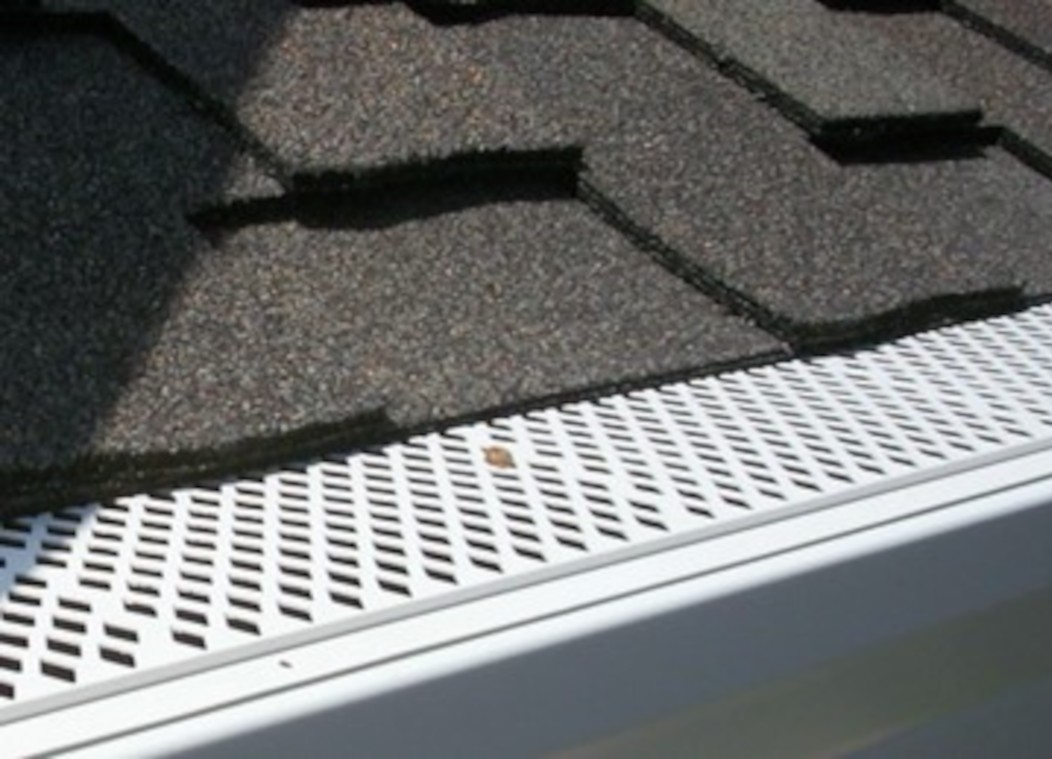
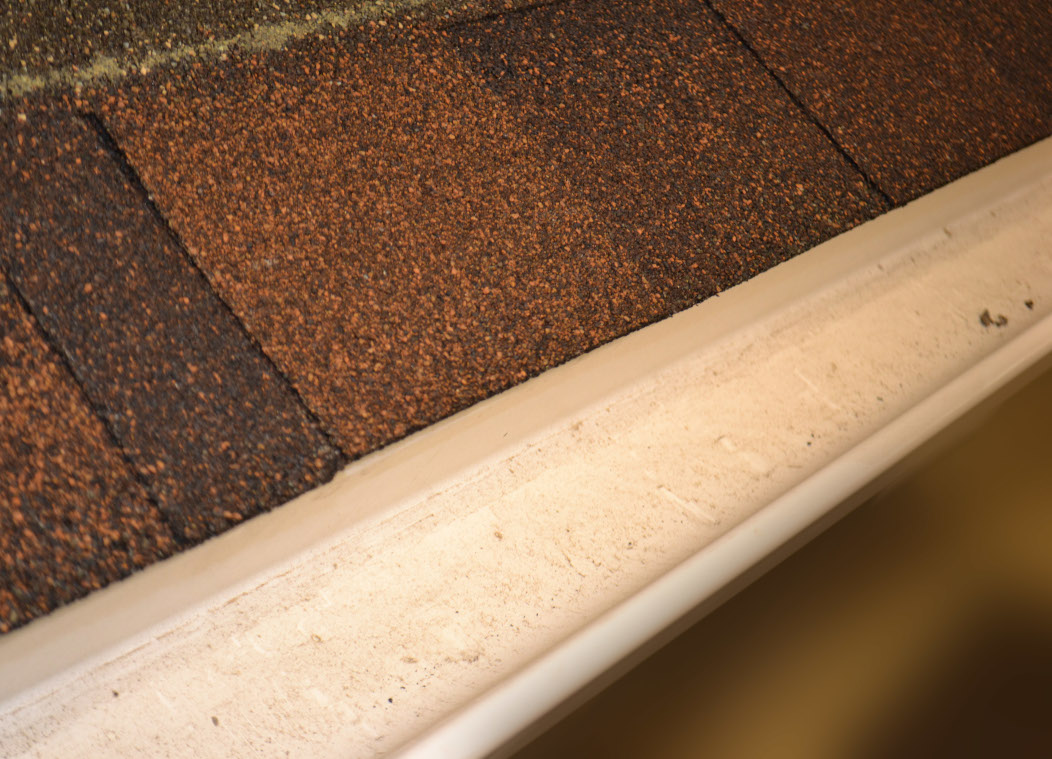
Are gutter guards properly installed to prevent debris/leaf litter from building up in the gutter (no gaps to allow debris and leaf litter to accumulate)?
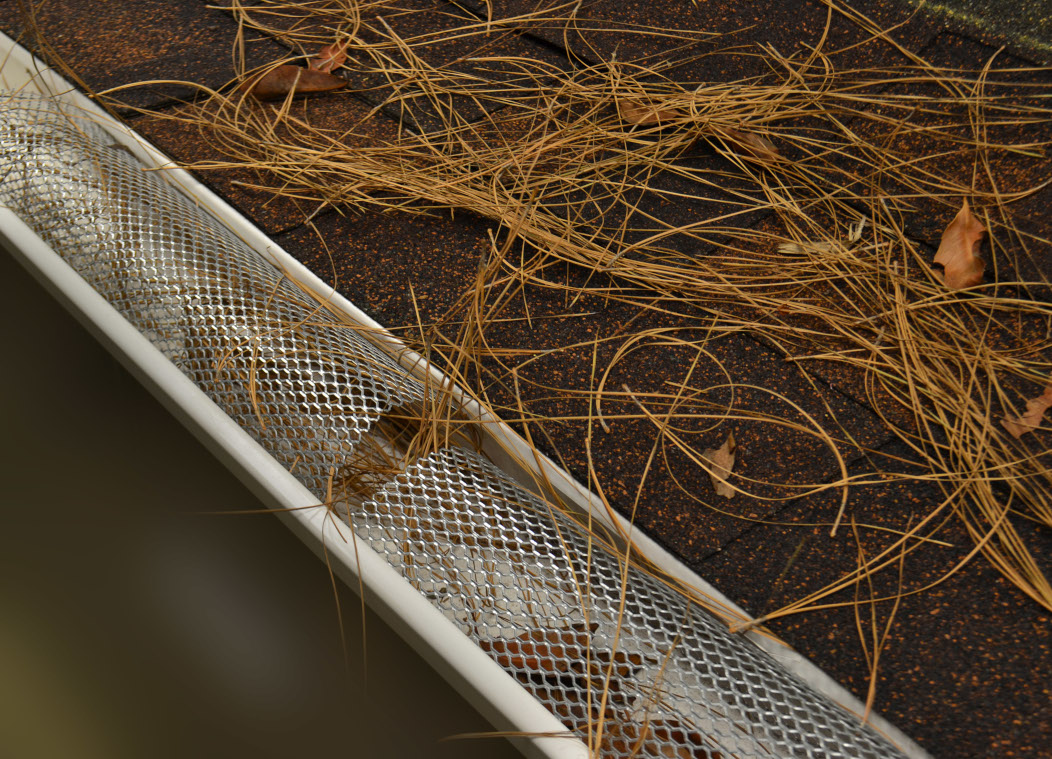
Are gutters free of combustible debris/leaf litter?
ATTIC VENTS
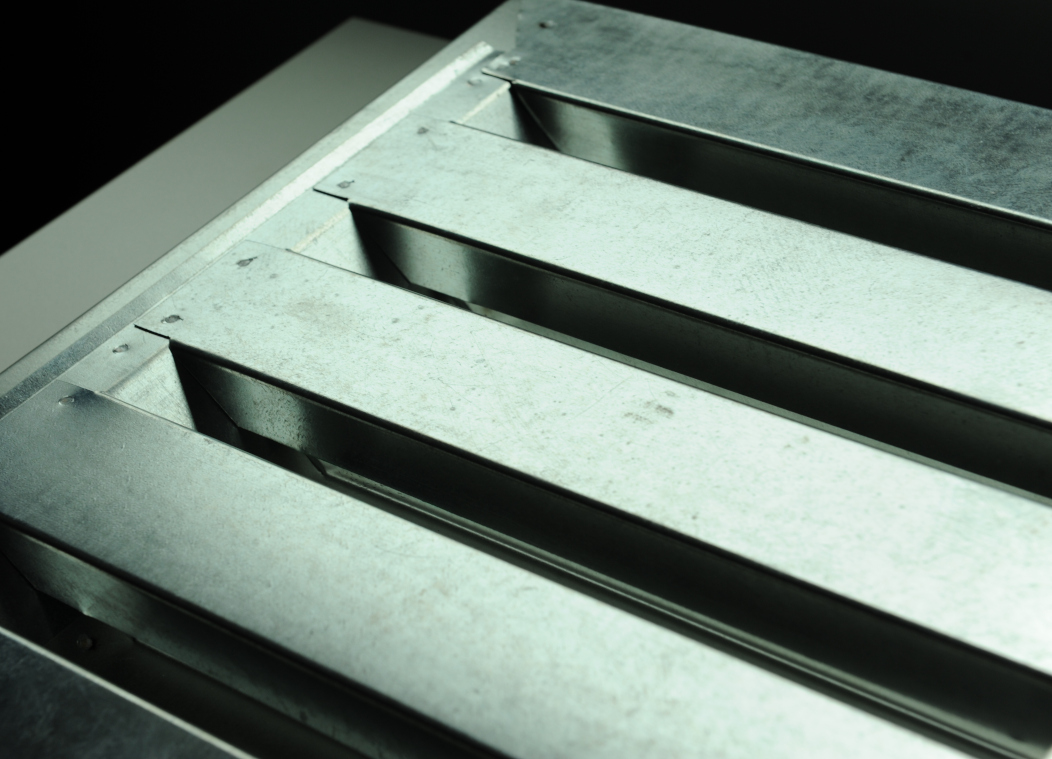
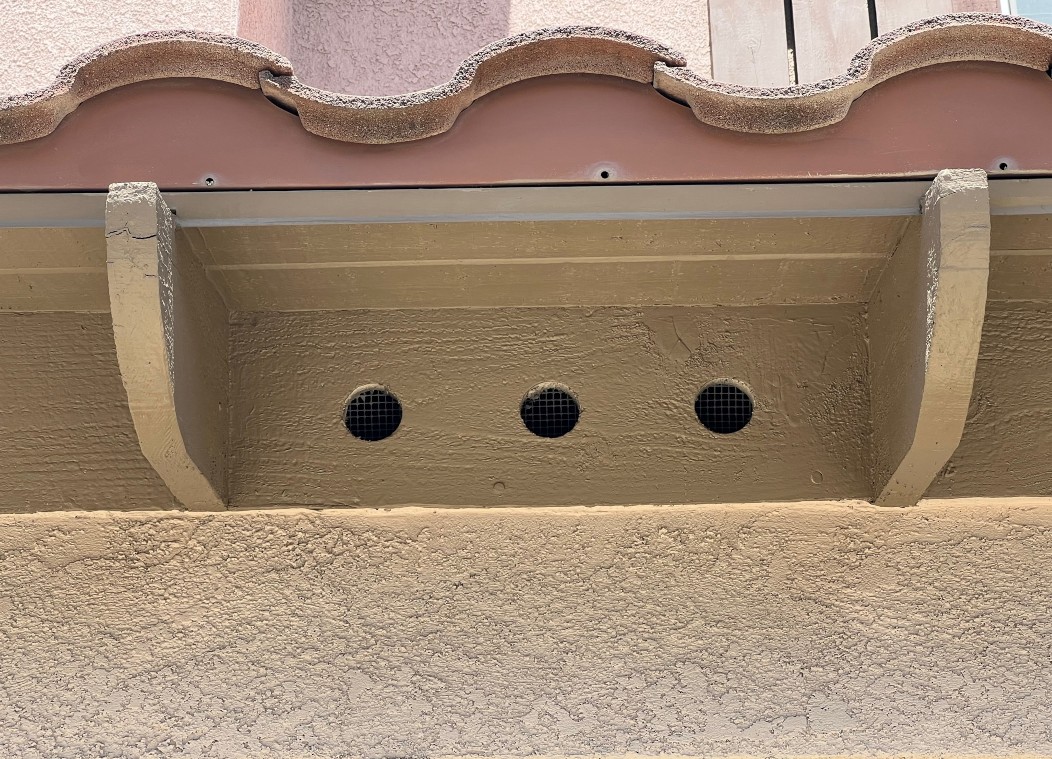
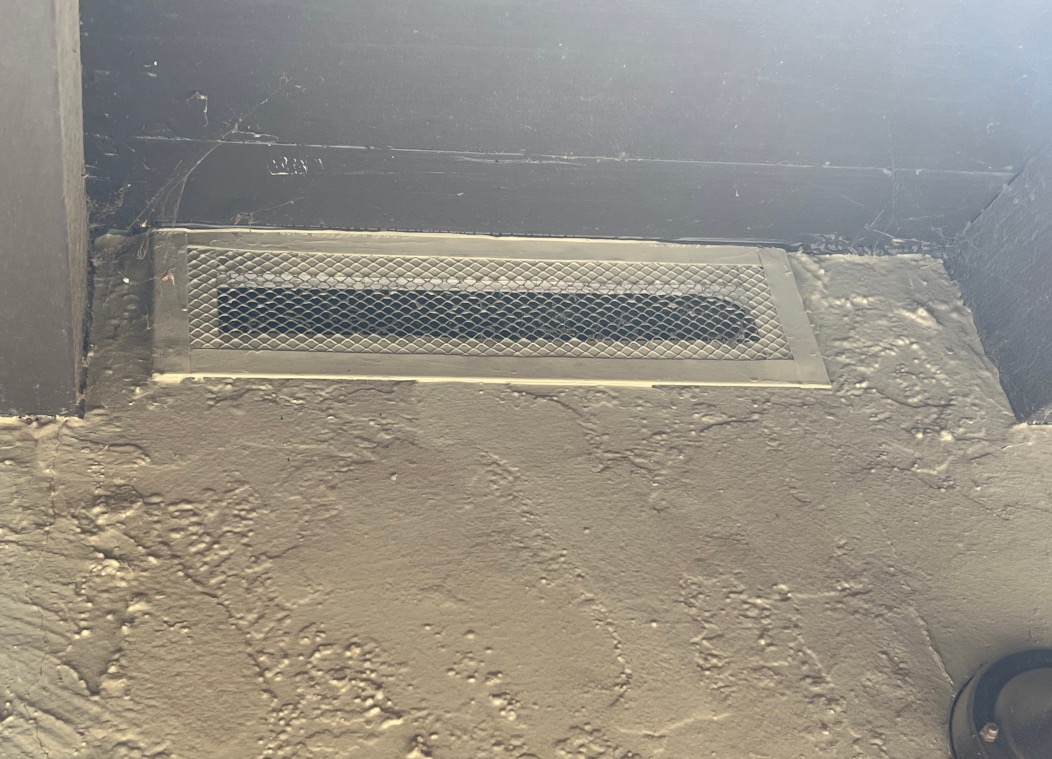
Most attics are ventilated by screened openings (vents) that allow air to enter and exit reducing excess heat and moisture. Because of this airflow, vents are an ideal catalyst for ember intrusion to attic spaces. Vents screens with mesh greater than 1/8-inch allow larger embers to enter, collect, and ignite the interior attic space of your home. Attic vents can be located in many places:
- Under eaves
- On roof surfaces (ridges/edges, etc.)
- On gable peaks of exterior walls
To prevent ignition in attic spaces it is essential to prevent ember intrusion. Even homes with ember resistant roof material can ignite and burn when embers enter openings/vents that are not adequately screened. Screen vents with 1/8-inch noncombustible mesh to prevent large embers from entering and causing internal structure ignition. Approved wildfire resistant vents are also an option to reduce ember entry and potential ignitions.
Choose every type of attic vent your home has by clicking on the pictures below, then click "Next". If your home has no attic vents, just click "Next".
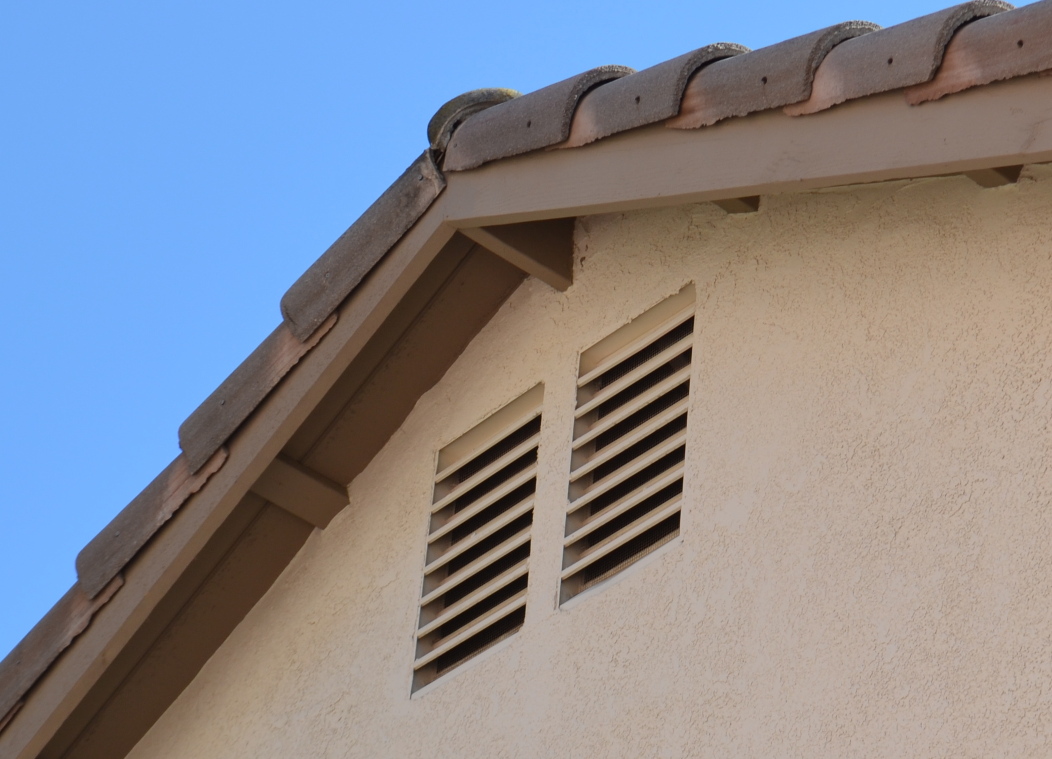
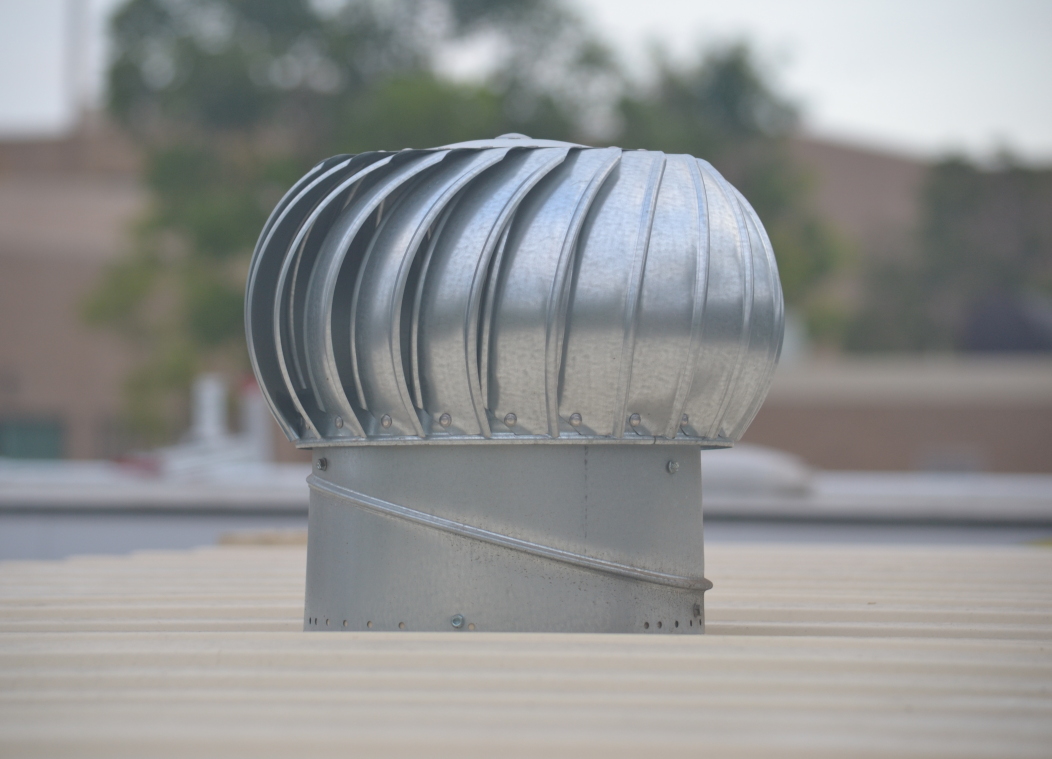
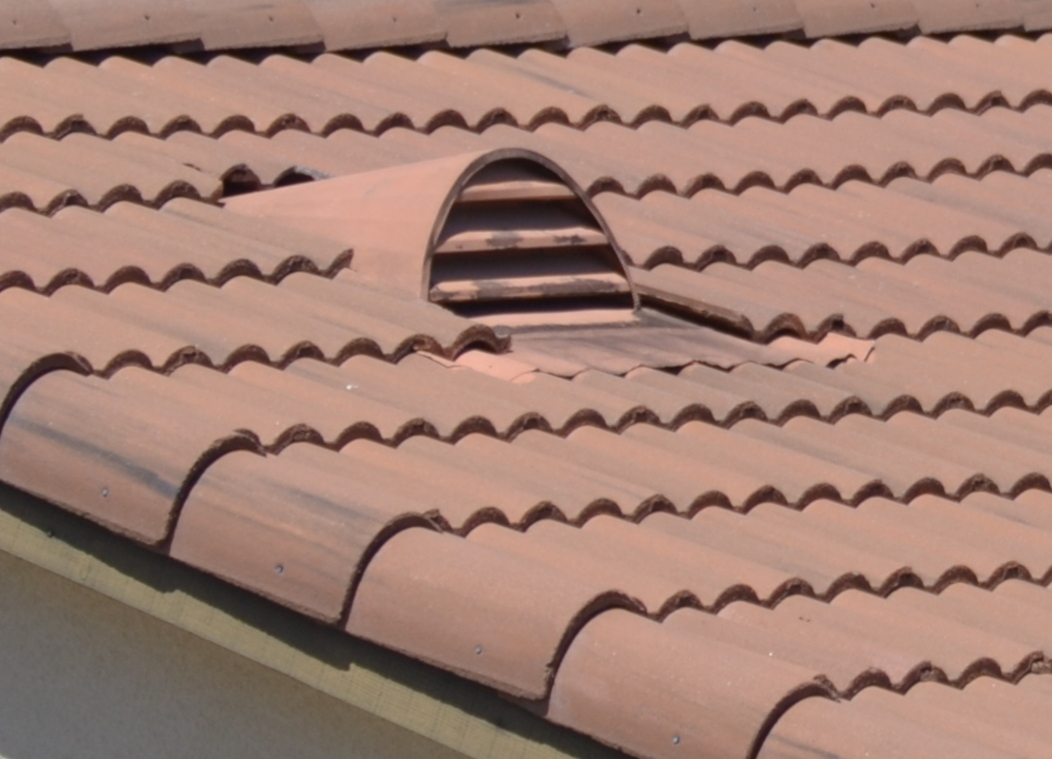
EAVES
Eaves are the lower section of your roof that overhang the edge of your home. Eaves shed water off your roof and away from the foundation of your home. Eaves catch rising air and wind currents, which make them ideal locations for wind driven embers to collect. Unenclosed or "open" eaves have wooden rafter tails and ends that are exposed and visible. Unenclosed eaves have many seams that can provide openings (cracks, gaps, crevices, etc.) that allow embers to lodge or collect and cause ignition. To reduce the chance of ignition, seal all openings with caulking material, keep exposed wood free of rot, and maintain with a good coat of paint
Are the eaves on your home unenclosed (rafter tails exposed) or do they have soffits (rafter tails enclosed)? Choose the type of eaves your home has by clicking on the picture below.
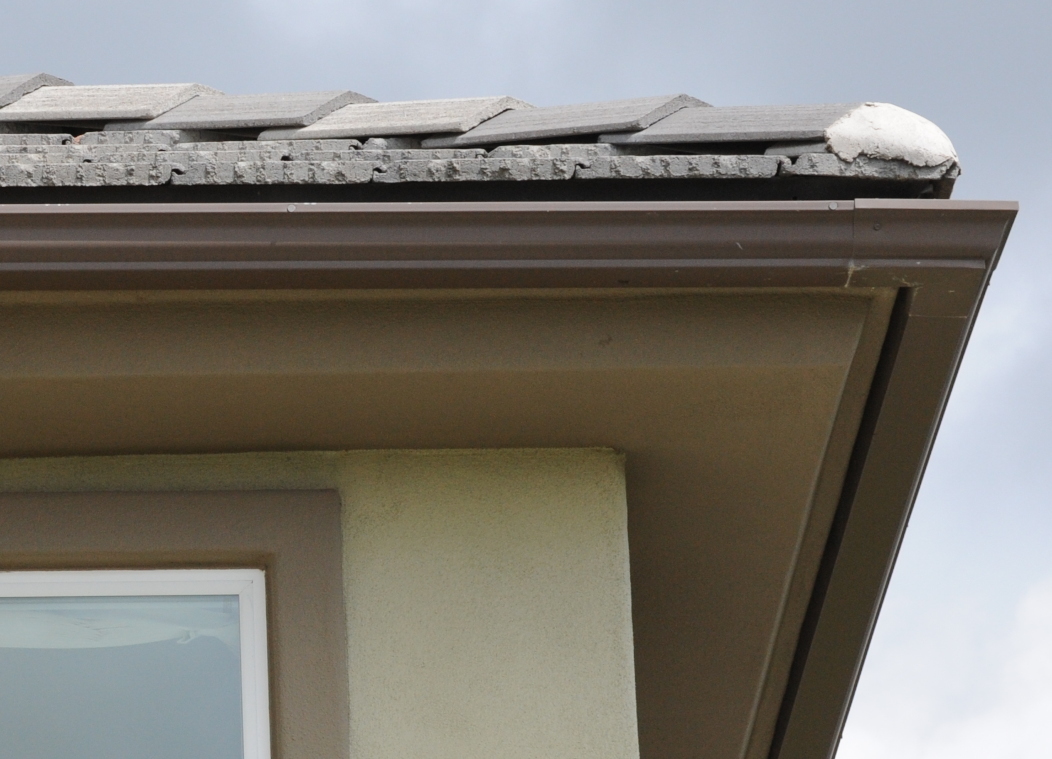
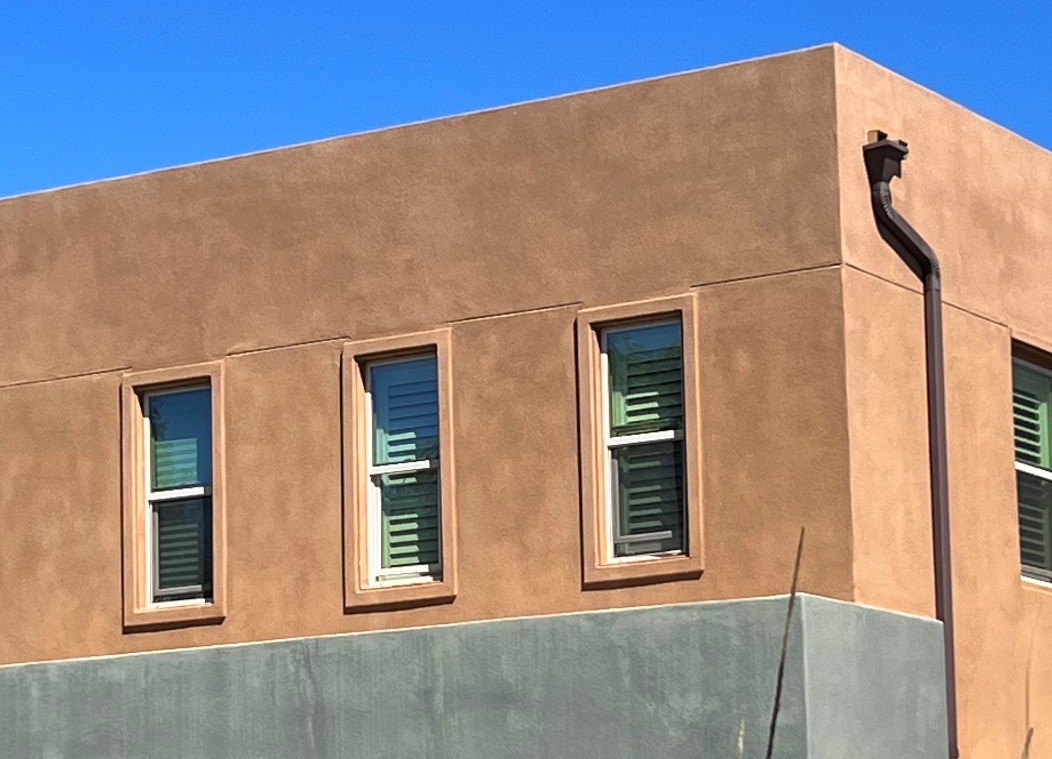
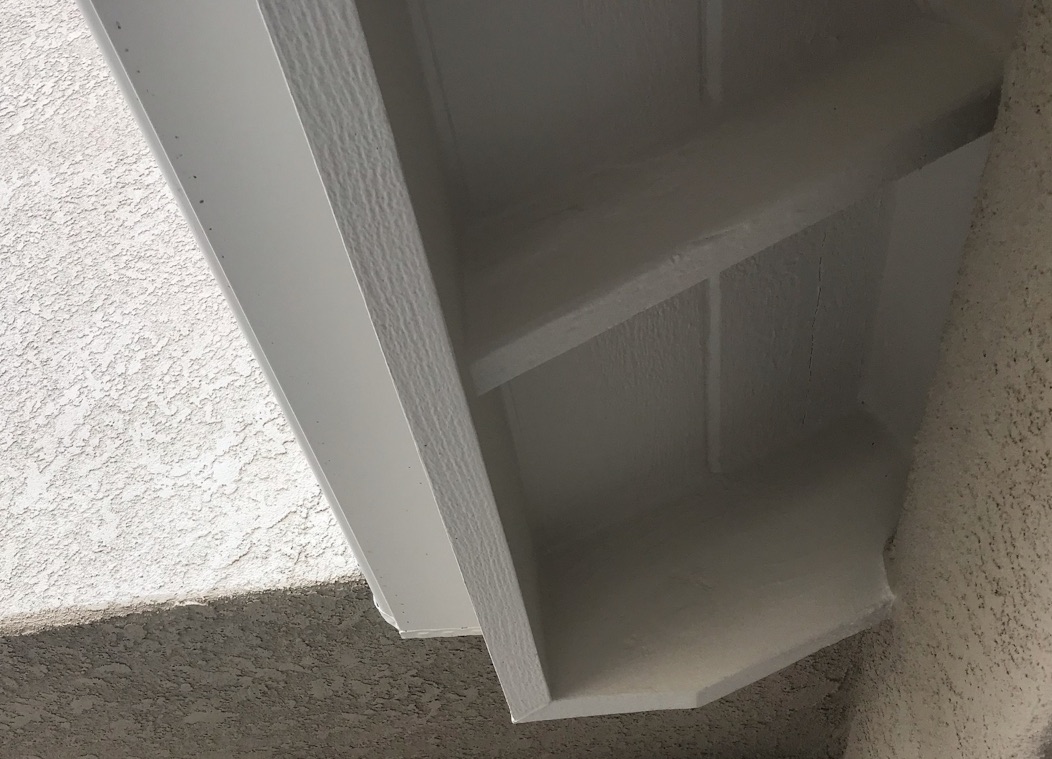
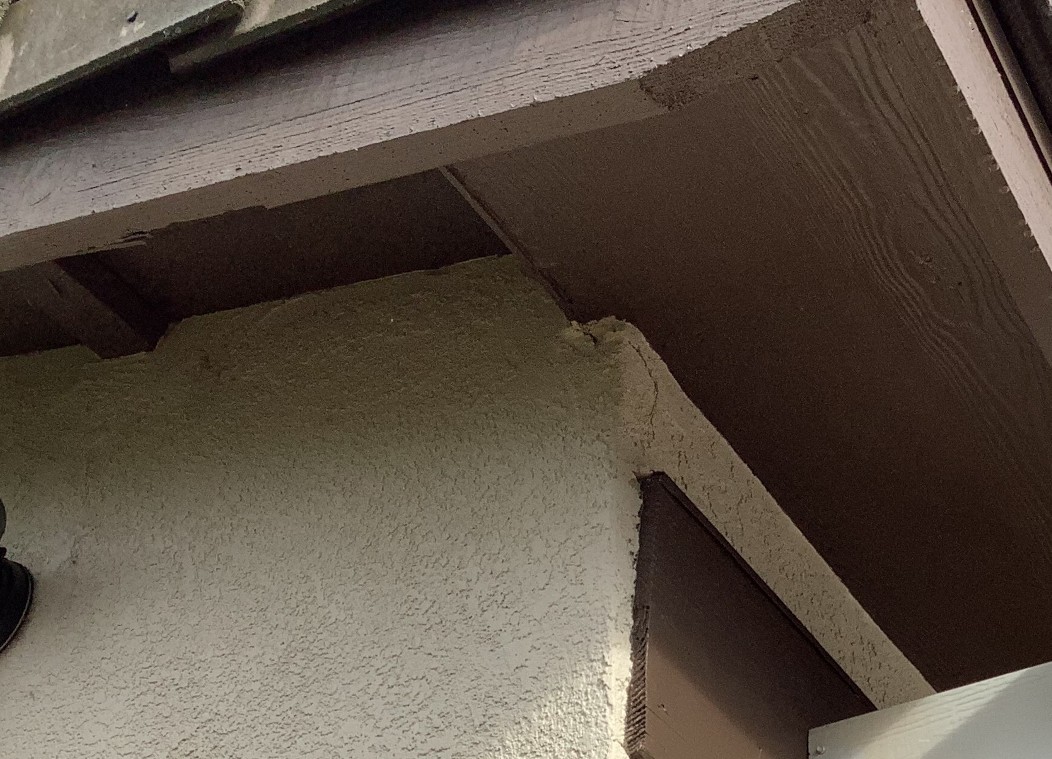
Are your eaves maintained without cracks, gaps, and openings that would allow embers to collect, lodge, or enter the attic?
Click on the image below that depicts the condition of your eaves.
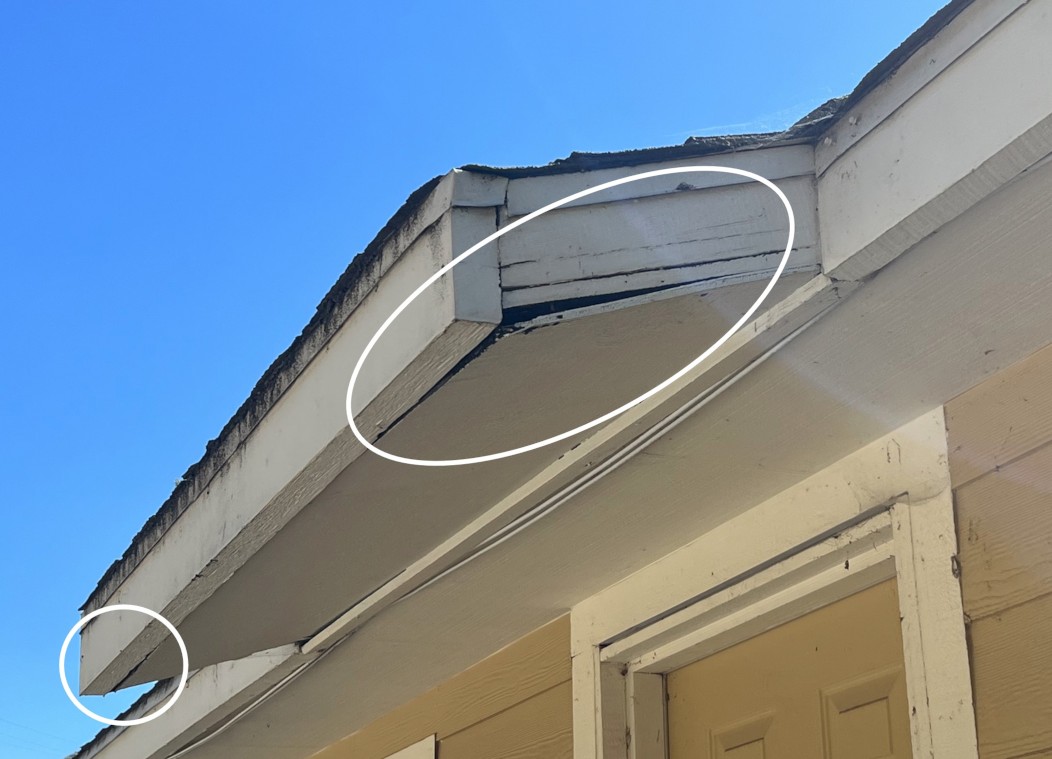
Are your eaves maintained without cracks, gaps, and openings that would allow embers to collect, lodge, or enter the attic?
Click on the image below that depicts the condition of your eaves.
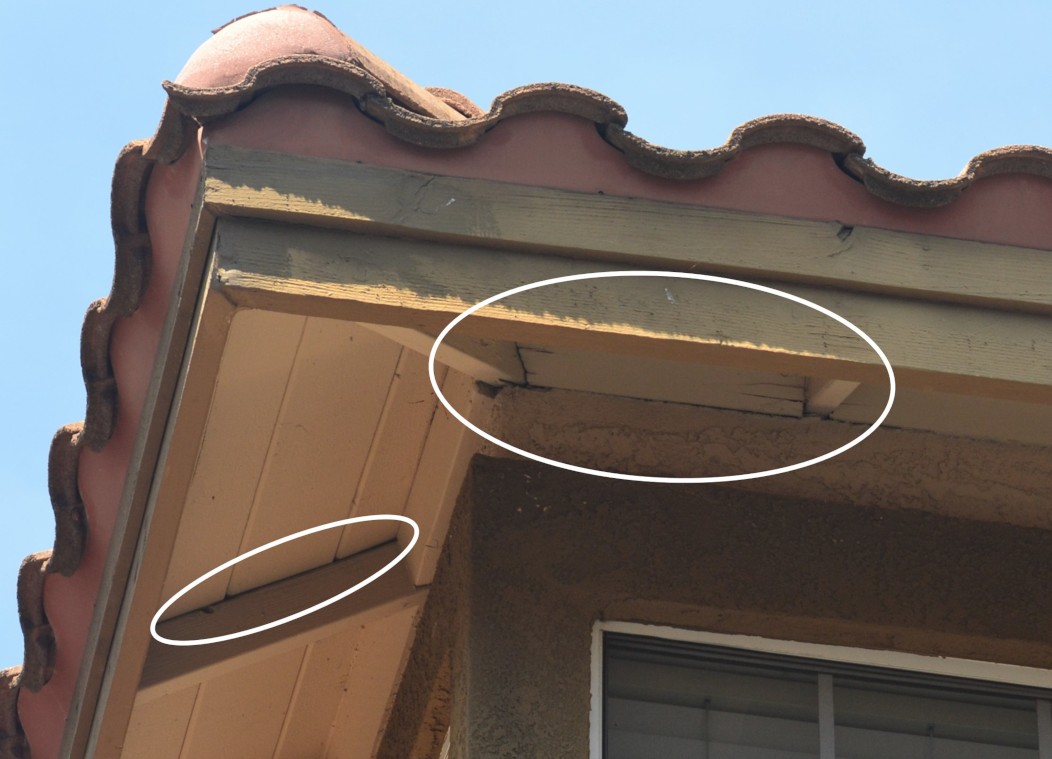
Are your eaves maintained without cracks, gaps, and openings that would allow embers to collect, lodge, or enter the attic?
Click on the image below that depicts the condition of your eaves.
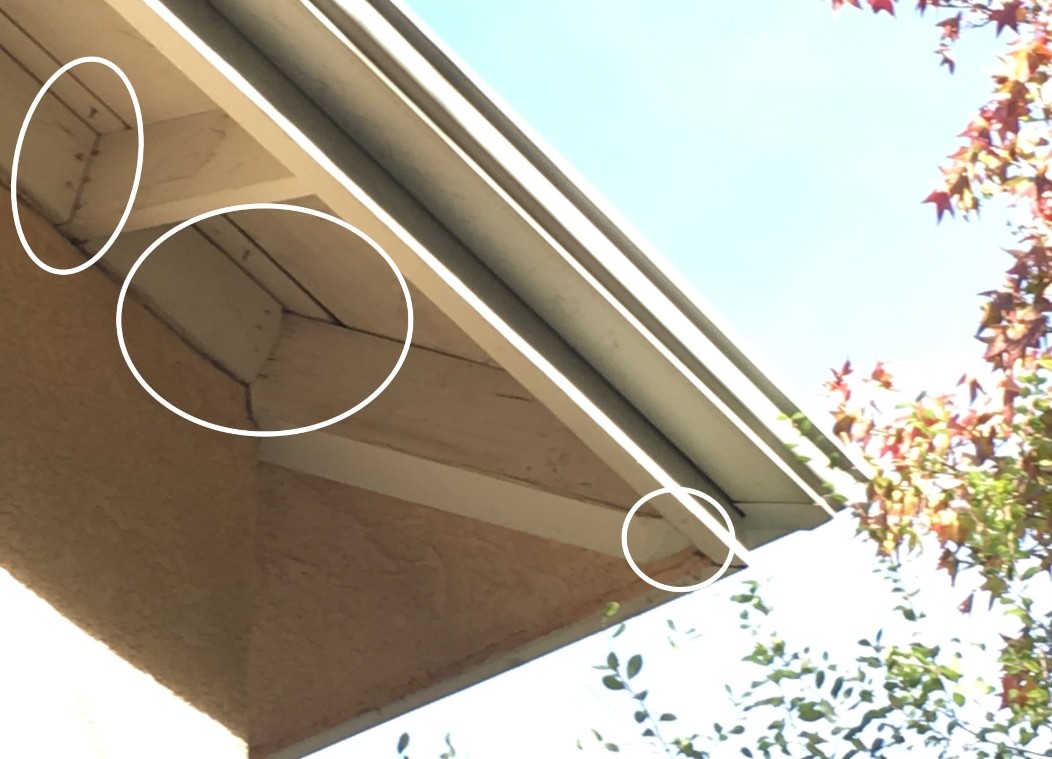
EXTERIOR SIDING
The exterior walls of your home, and any features (windows, doors, vents, etc.) can have junctions, seams, gaps, and openings that allow embers to collect, enter your home and cause ignition. Exterior walls that resist ignition are:
- Made from noncombustible material (stucco, brick, masonry, stone, cement board, etc.)
- Have seams and junctions with noncombustible surfaces (metal flashing, etc.) that are ember resistant
- Are free of gaps and openings that allow embers to collect or enter
- Are separated from combustible material (vegetation, storage, items patio furniture, etc.) so ignition of any combustible items does not allow direct flames contact
- Are adequately separated from large combustible material (outbuildings, vehicles, storage items, shrubs, trees, etc.) that can burn and create significant levels of radiant heat
Is the siding on your home ignition resistant, combustible, or a combination of both? Choose the type of siding your home has by clicking on the picture below.


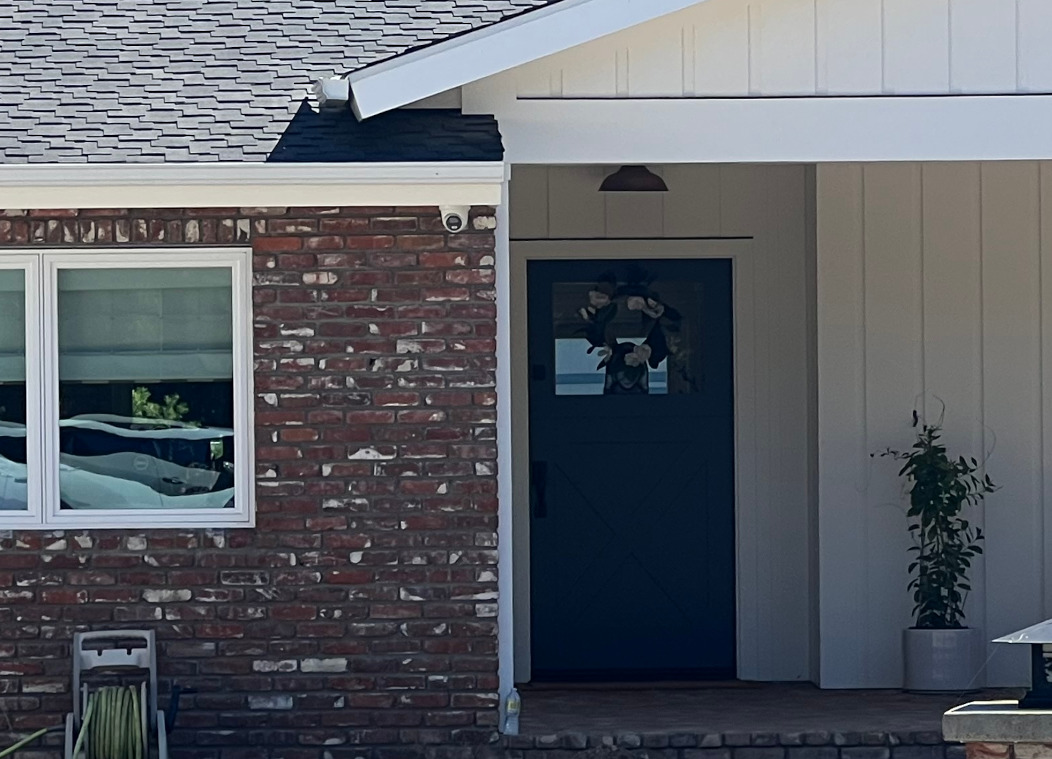
Are all gaps, seams, and areas where embers can collect sealed and protected?
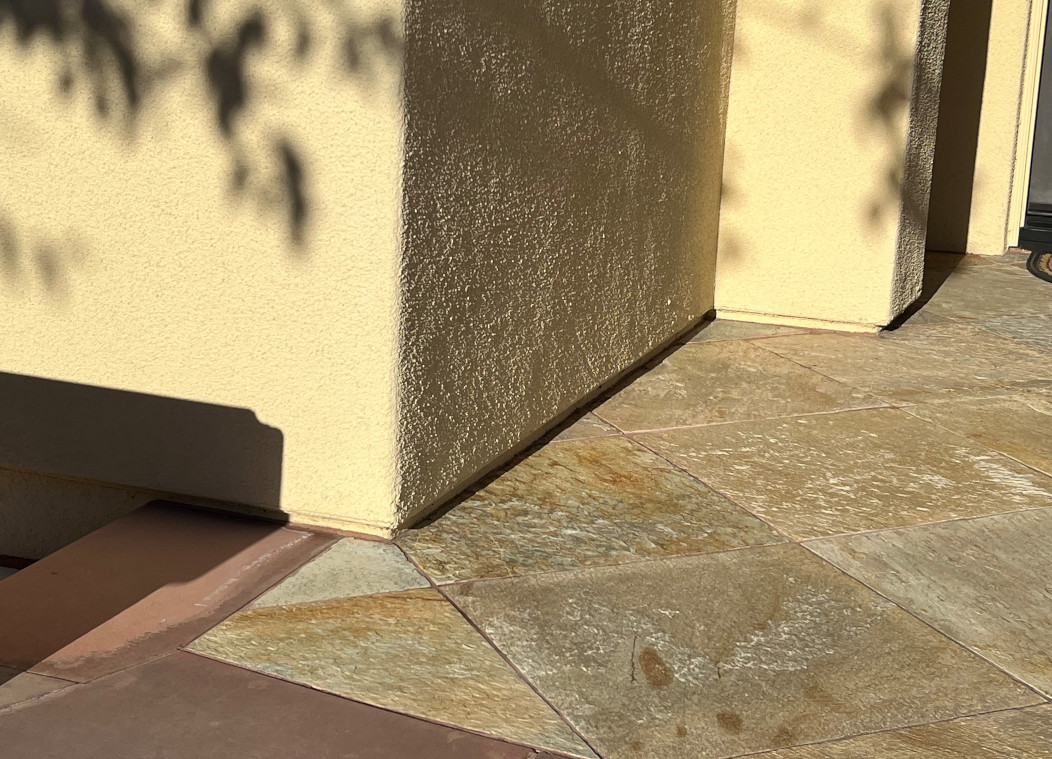
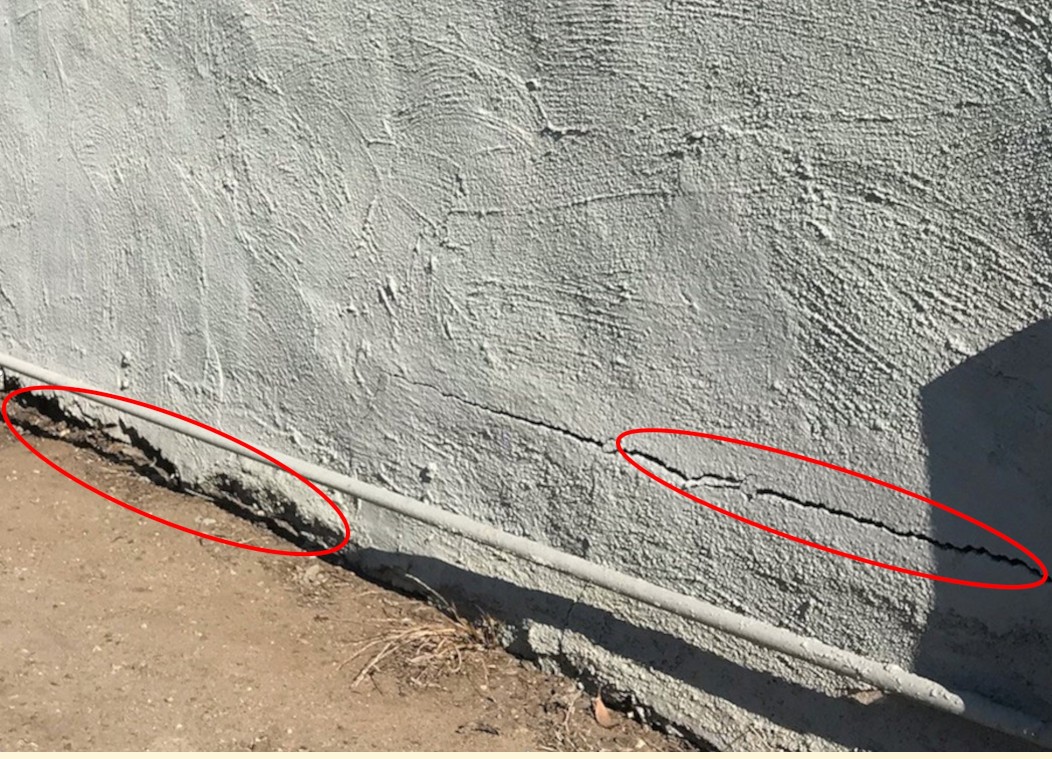
Is combustible material (vegetation, mulch, storage items, patio furniture, etc.) located within the first five feet of the structure (Immediate Zone)?
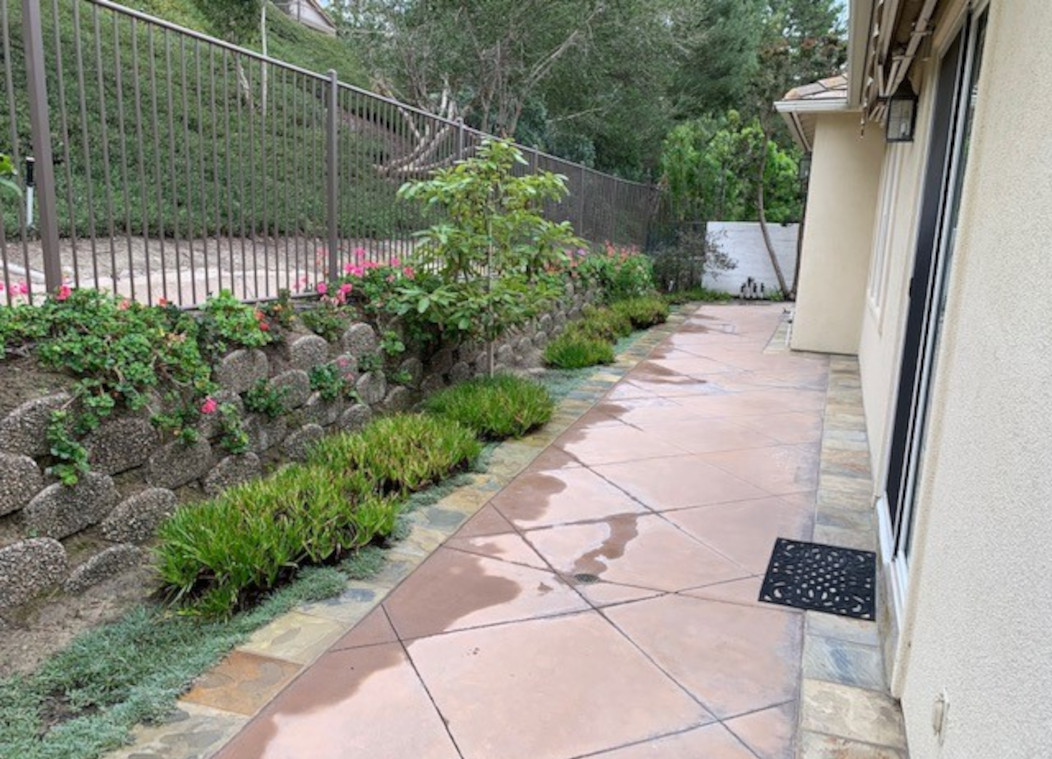
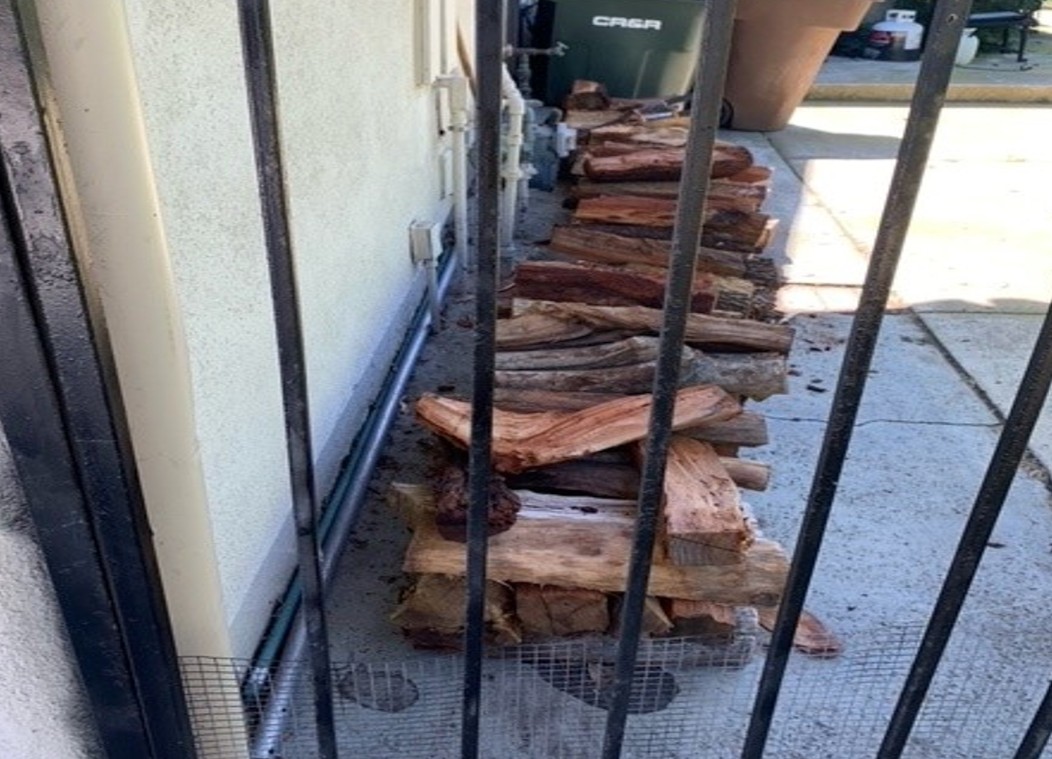
Are there large combustible items (outbuildings, vehicles, storage items, shrubs, trees, etc.) within 30 feet of the home?

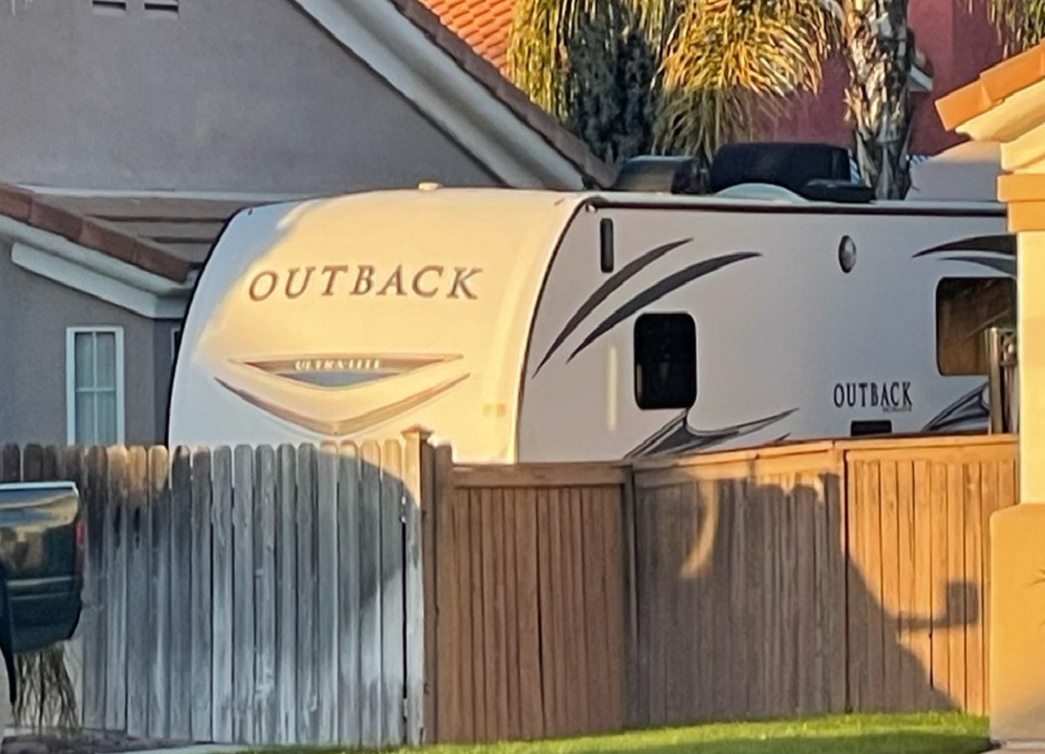
Are all gaps, seams, and areas where embers can collect sealed and protected?
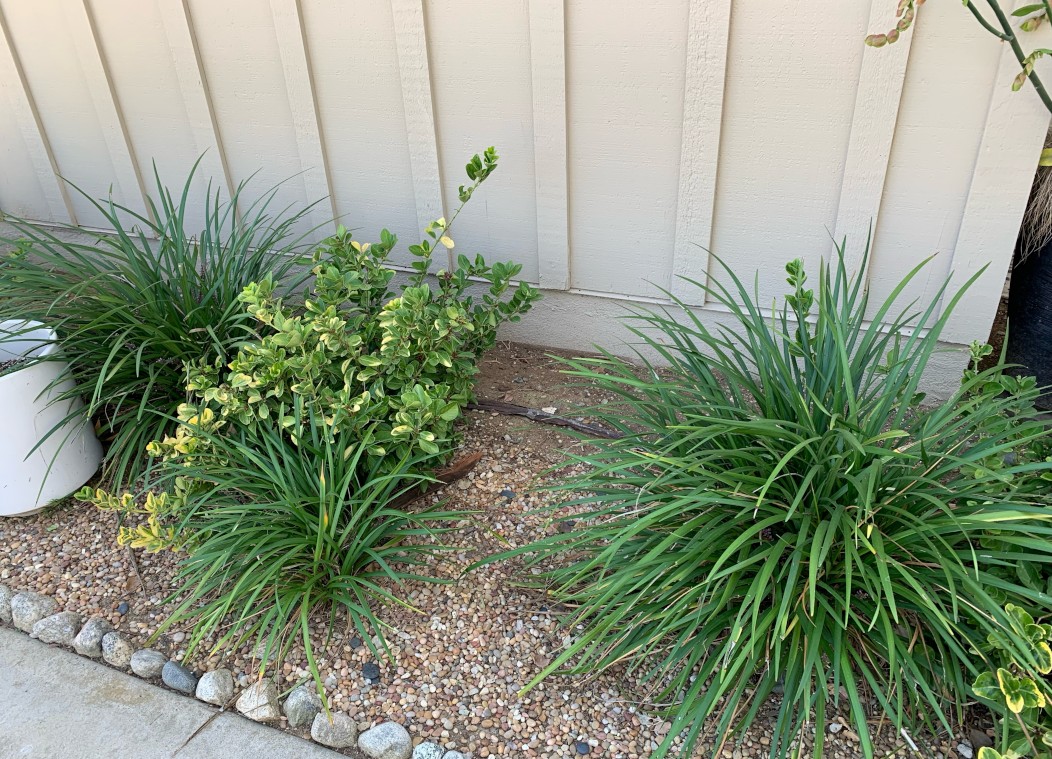
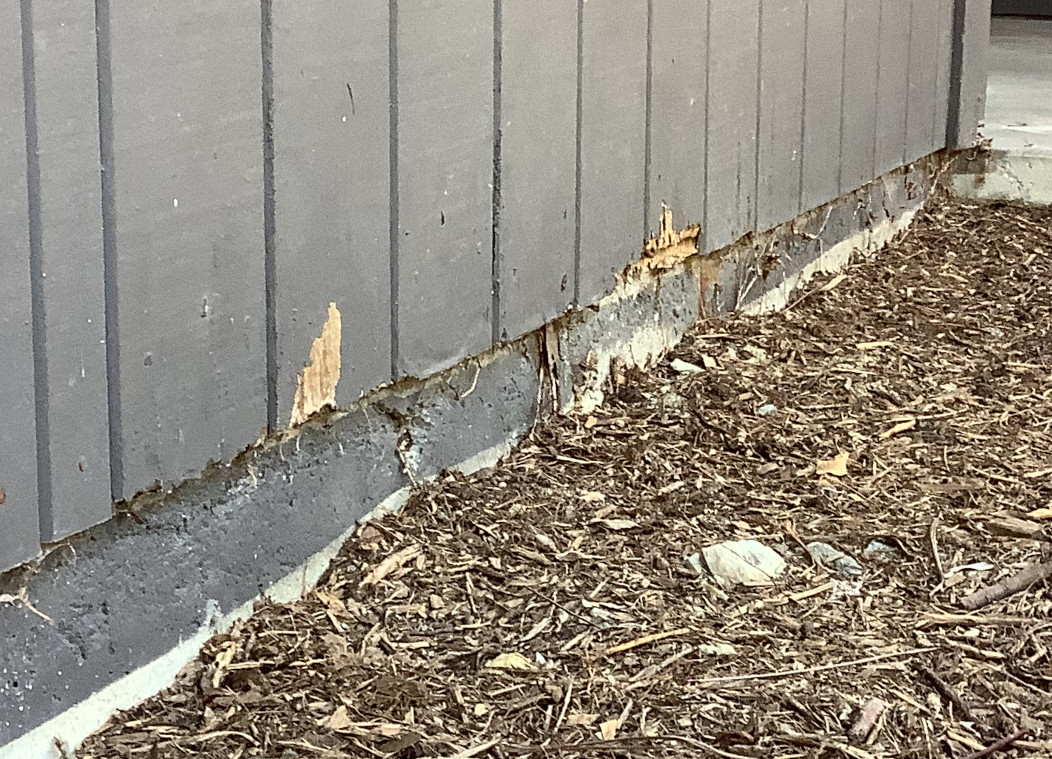
Is flammable vegetation or other combustible material (storage, patio furniture, etc.) located within the first five feet of your home (Immediate Zone)?
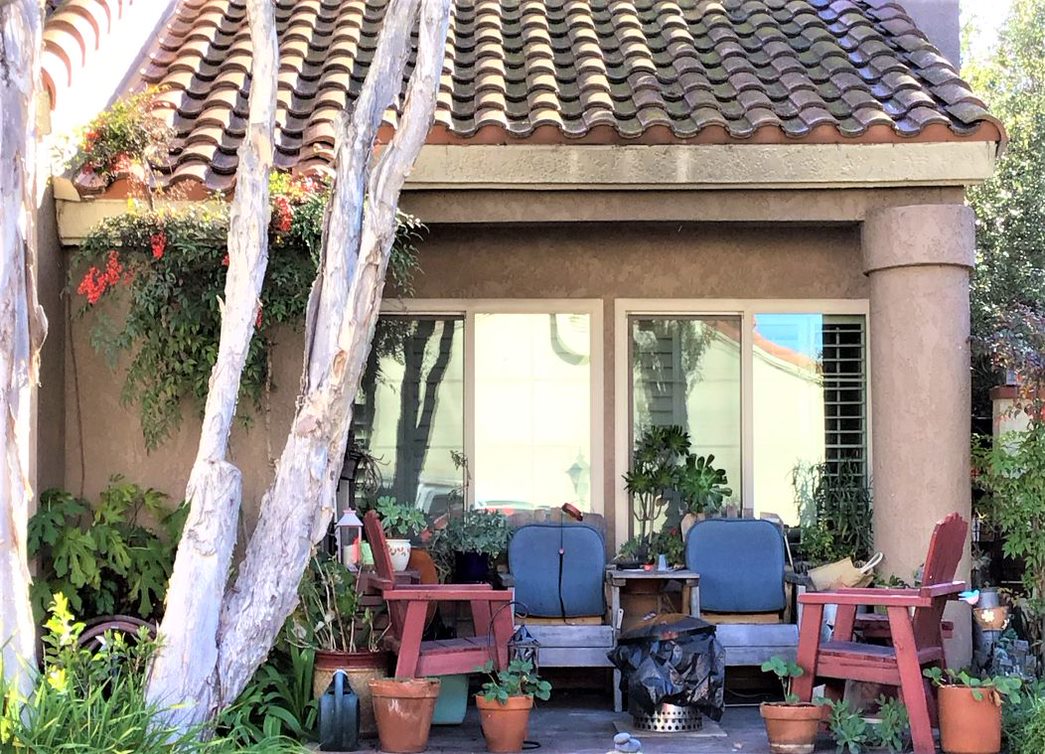
Are there large combustible materials (outbuildings, vehicles, storage items, shrubs, trees, etc.) within 30 feet of the home?

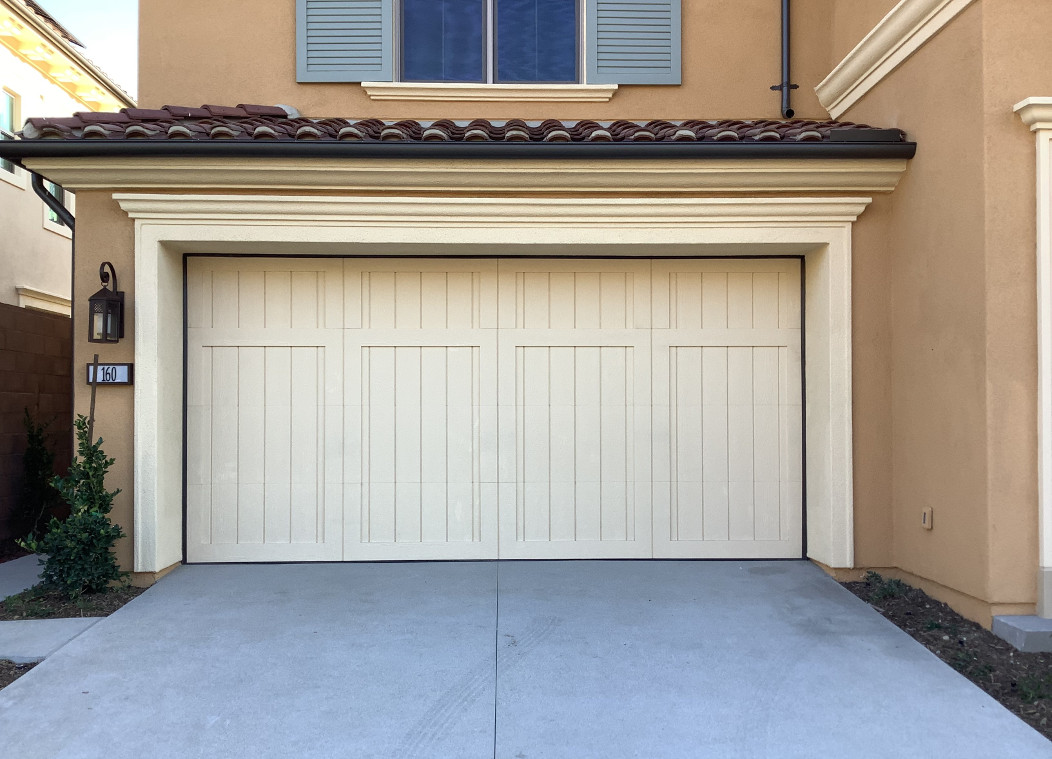
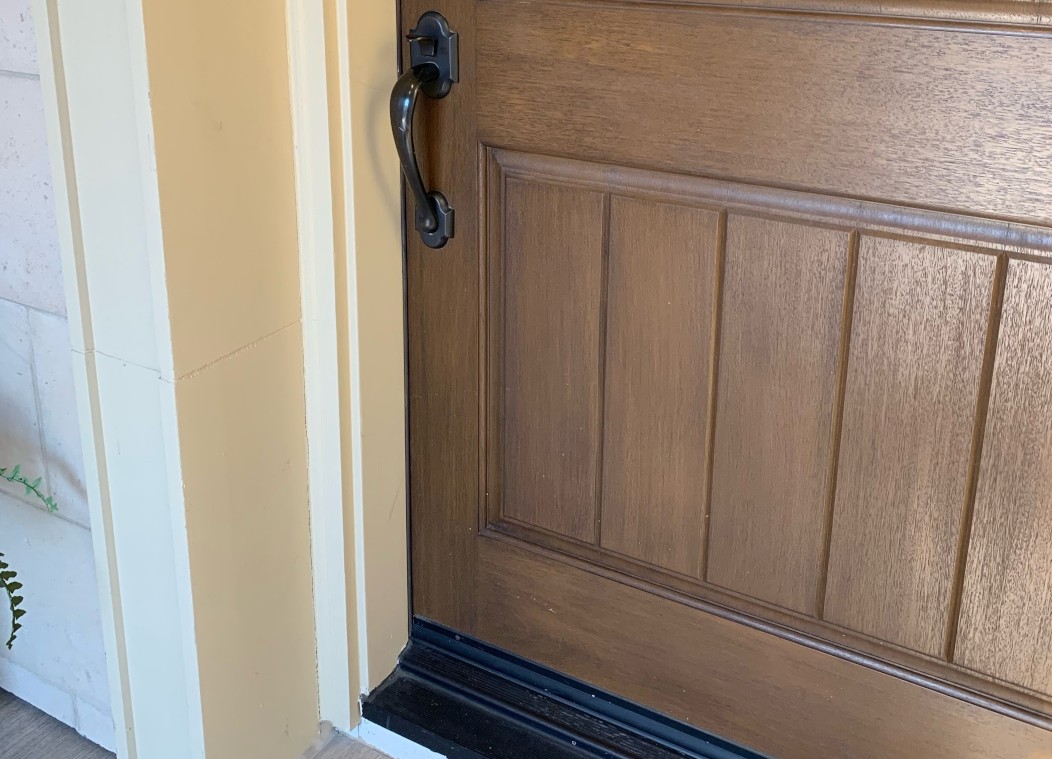
Choose every type of door your home has by clicking on the pictures below, then click "Next".
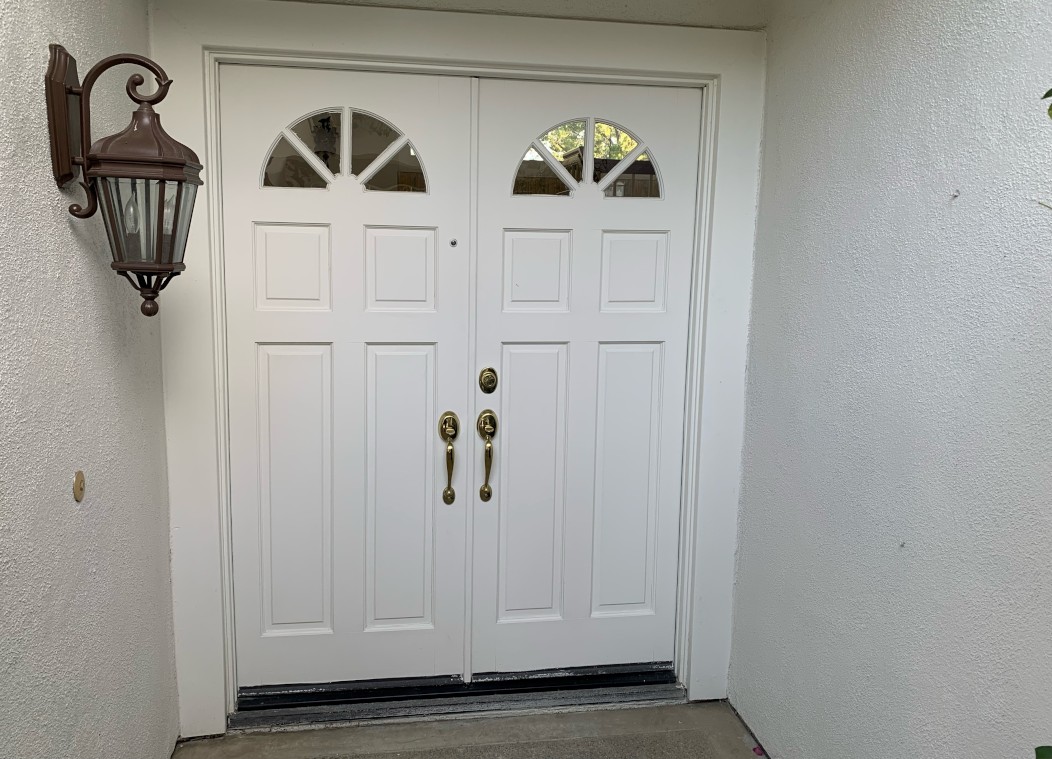
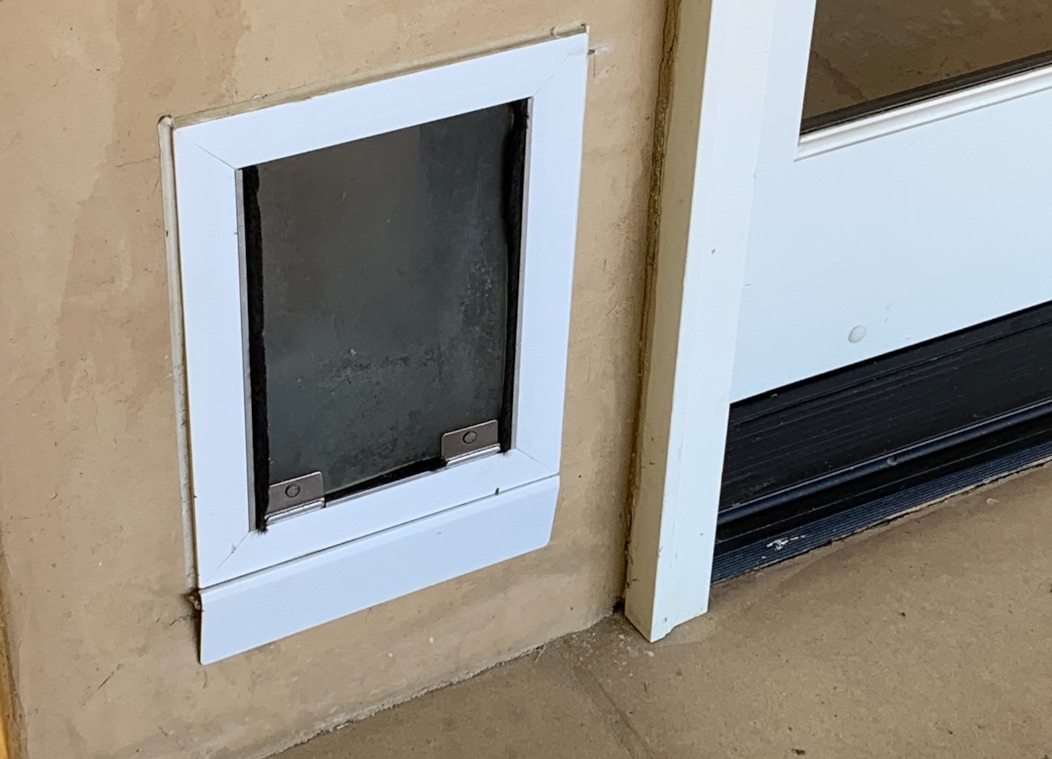
Are entry doors (including front, side, rear, sliding, etc.) free of any gaps or openings that would allow embers to enter the structure?
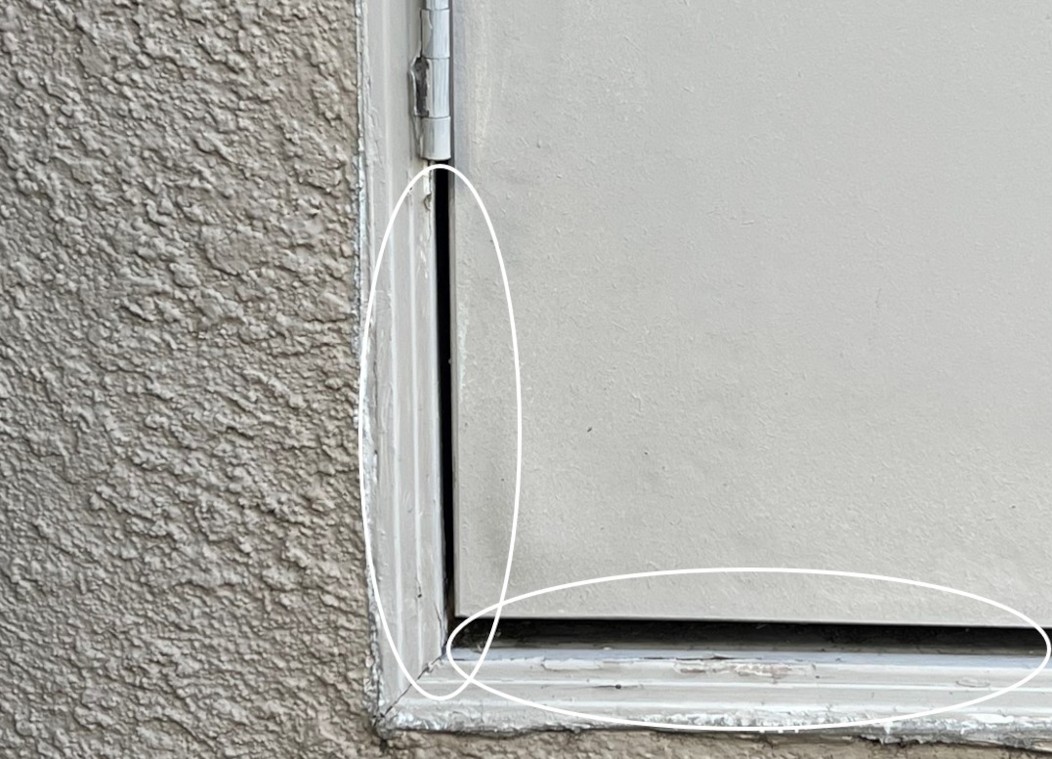
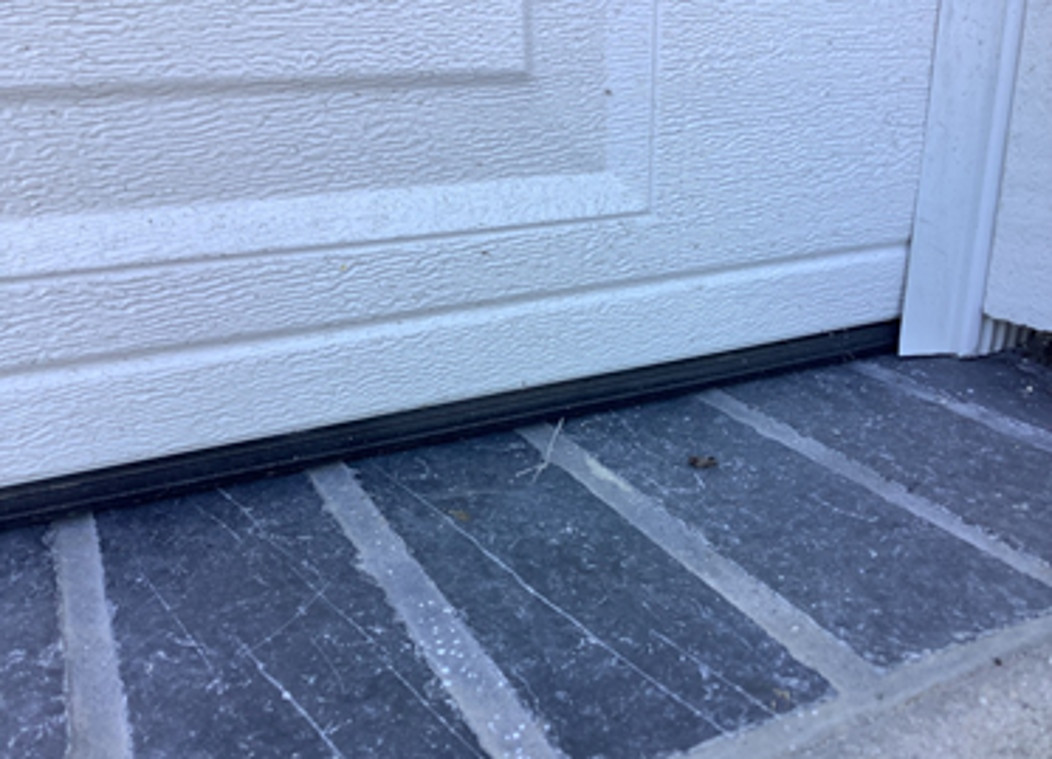
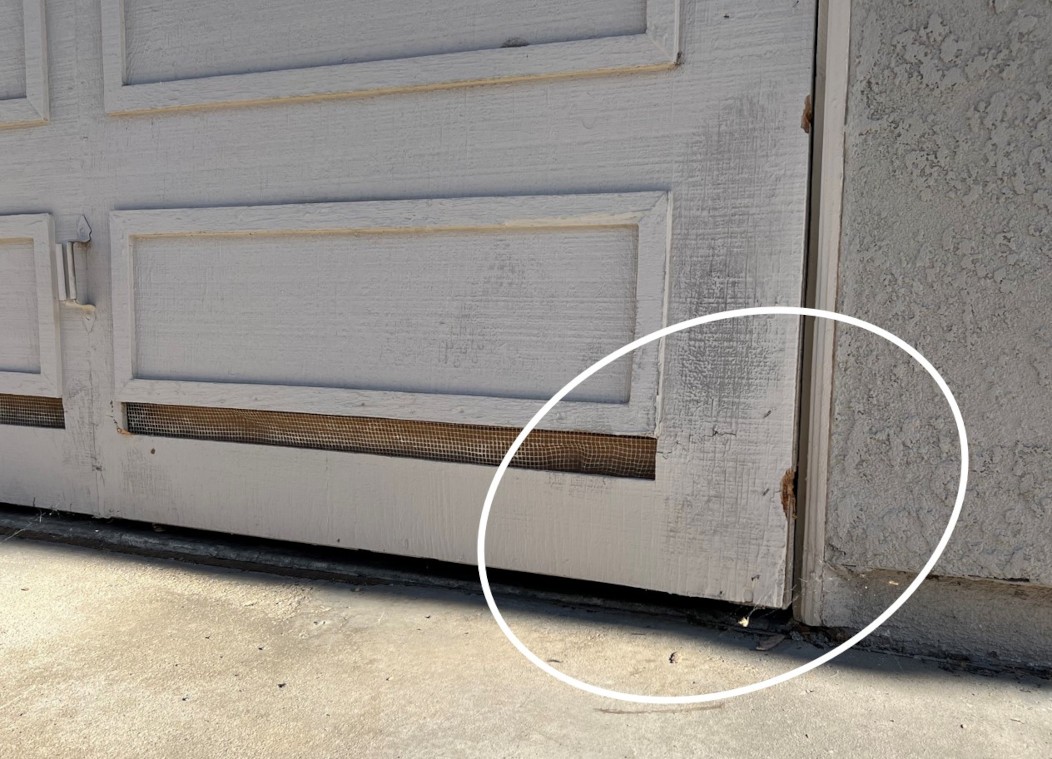
Are garage and storage area doors free of any gaps or openings that would allow embers to enter the structure?
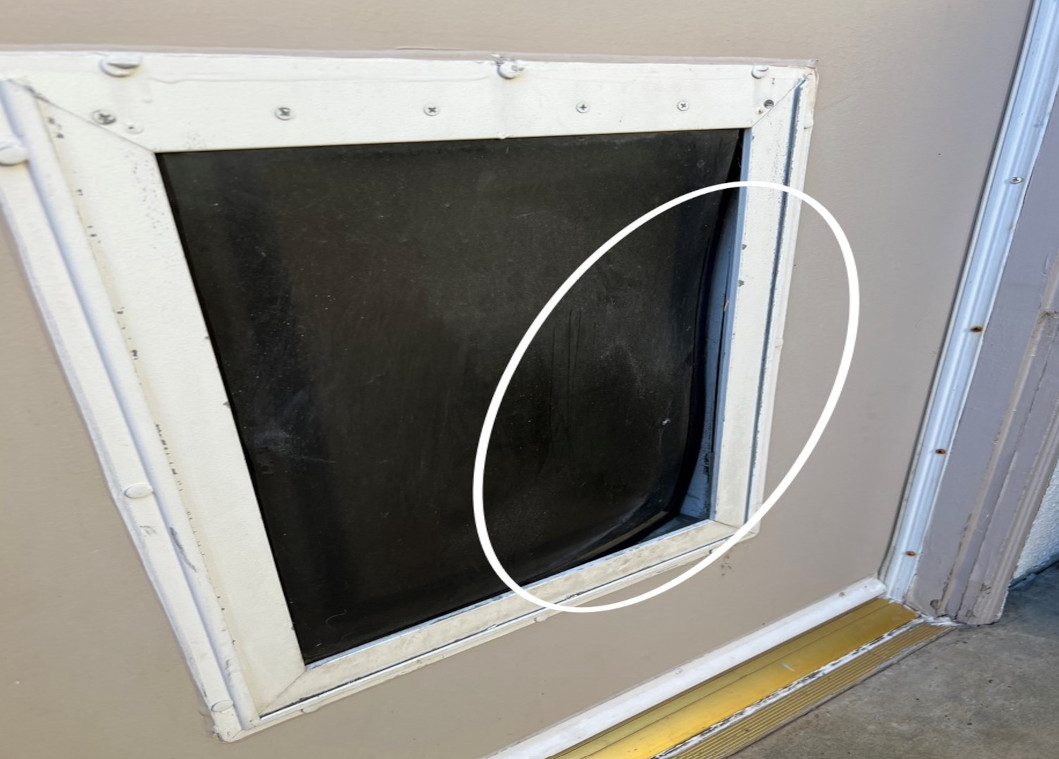
Are pet doors secured from opening during windy conditions and sealed to prevent embers from blowing into the structure?
Choose every type of window frame your home has by clicking on the pictures below, then click "Next". If your home has no windows, just click "Next".
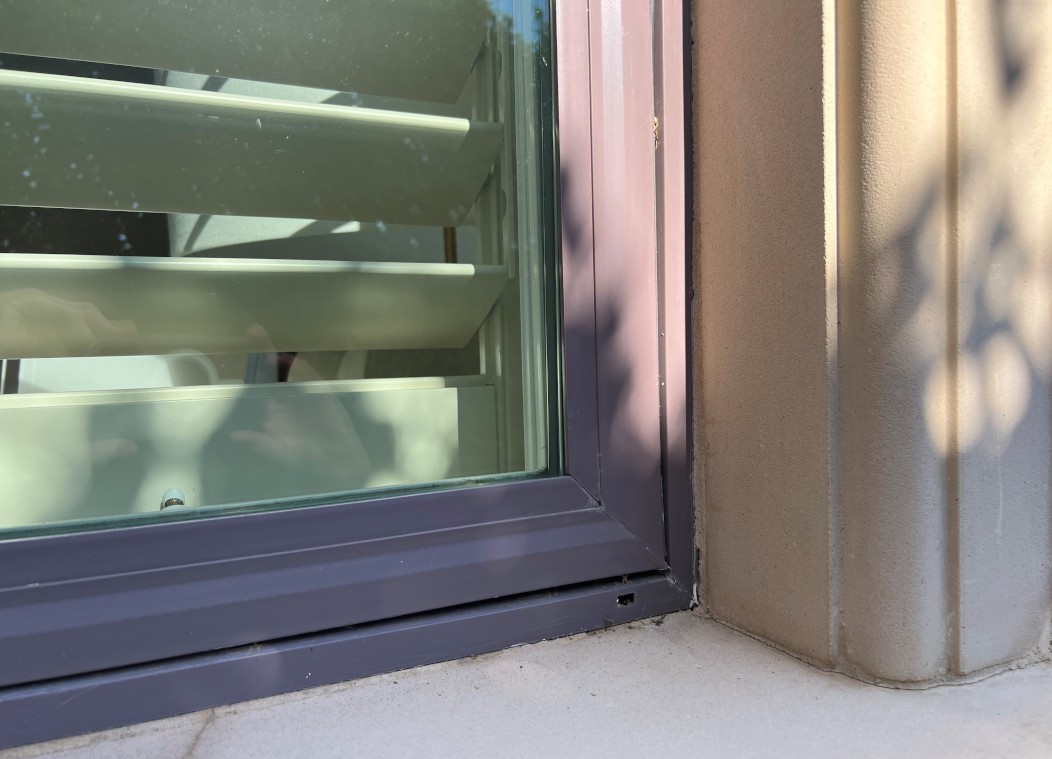
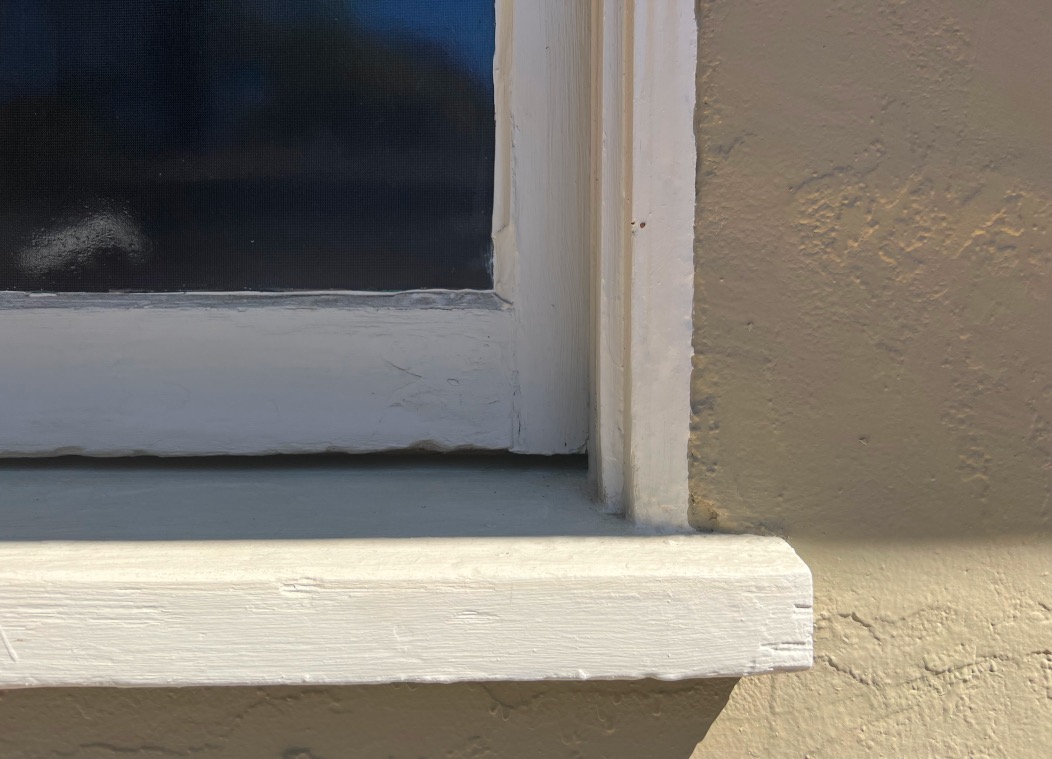
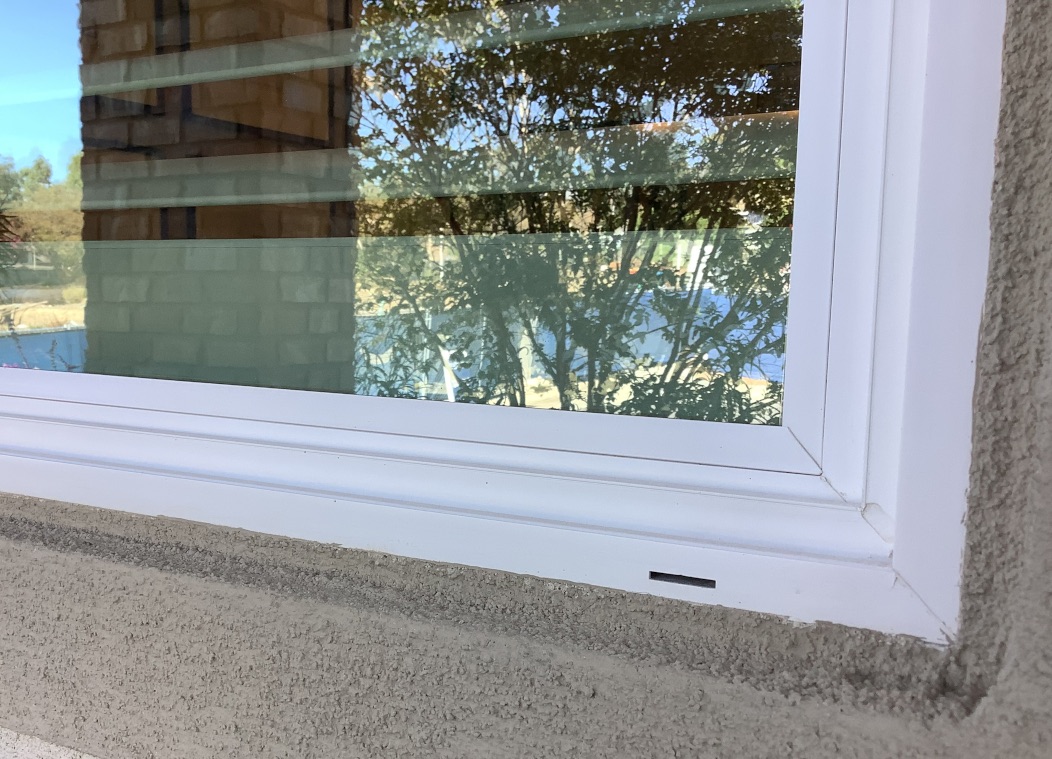
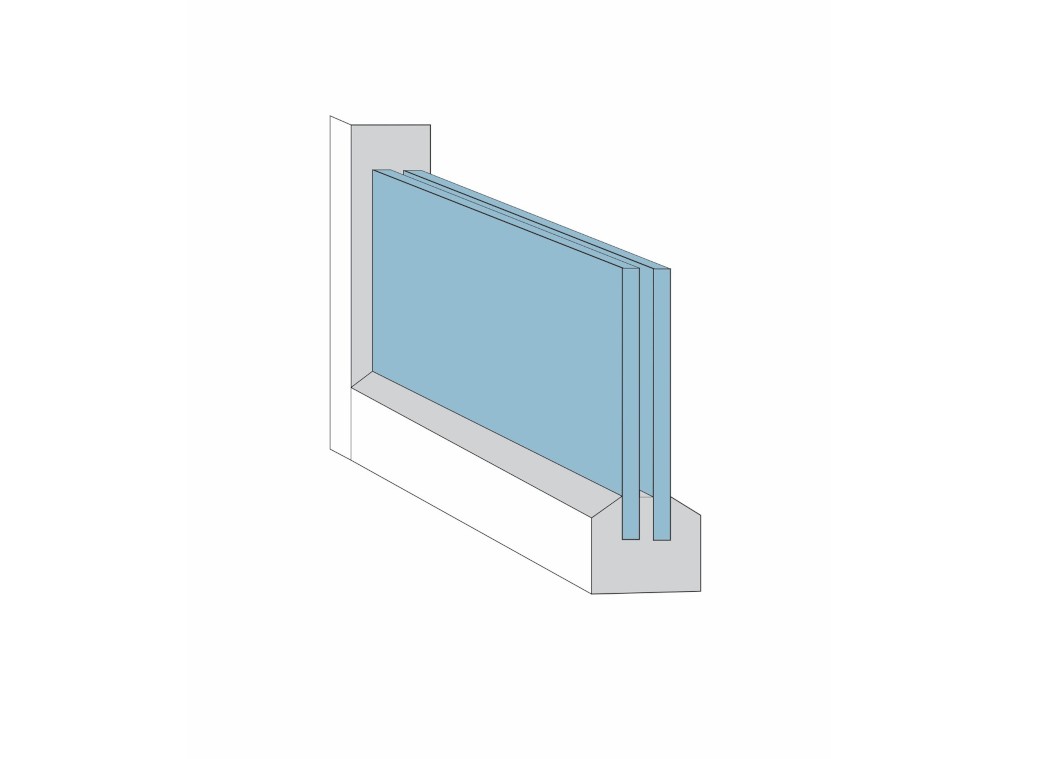
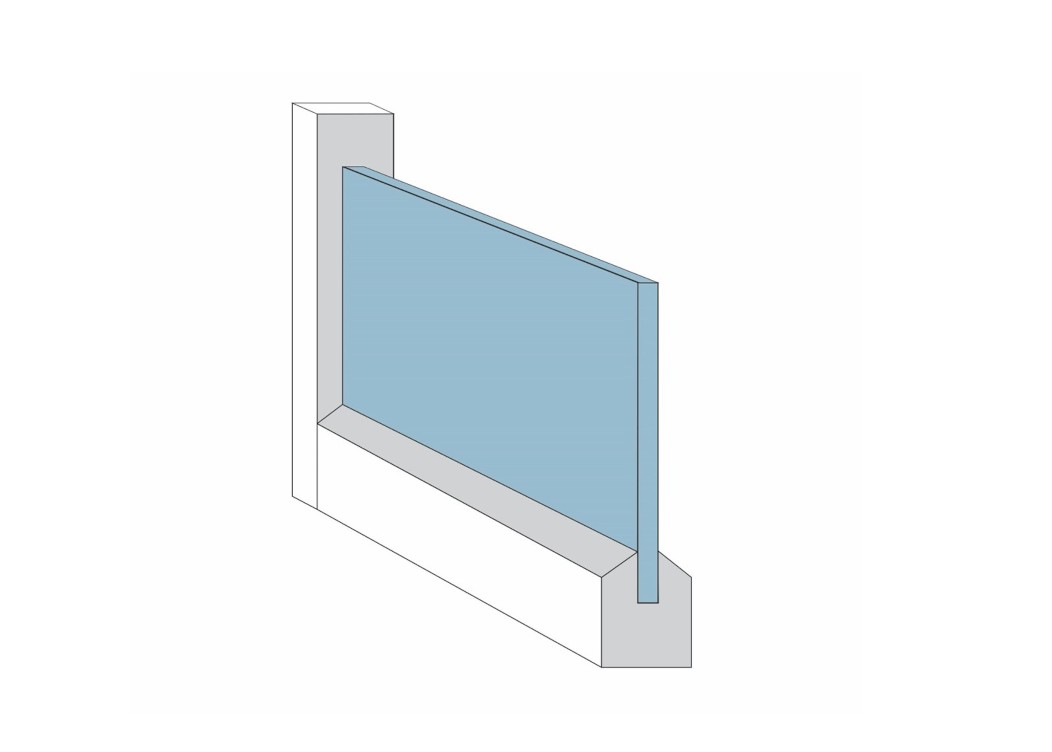
Are all windows multi-pane with at least one pane being tempered glass?
Have nearby combustible materials (vegetation, mulch, storage items, patio furniture, etc.) been removed or reduced (vegetation lowered, well irrigated, no dead material, etc.) to prevent direct flame contact and reduce radiant heat on windows
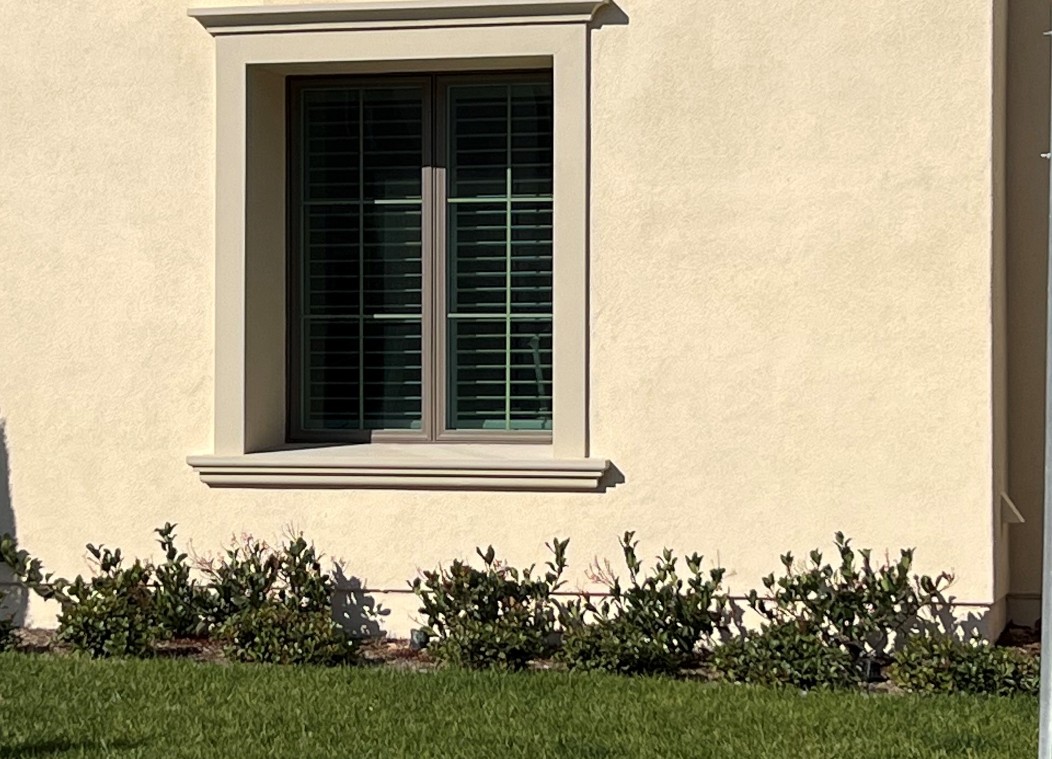
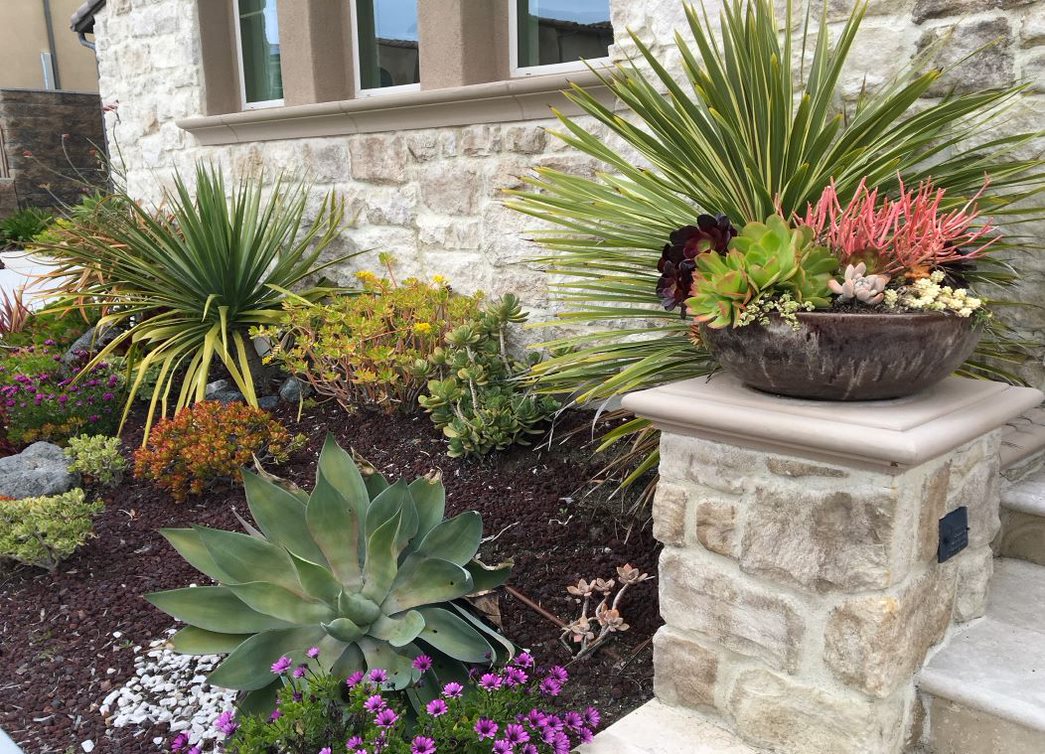
Have nearby combustible materials (vegetation, storage items, patio furniture, etc.) been removed or reduced to prevent direct flame contact and reduce radiant heat on windows?
Are all windows multi-pane with at least one pane being tempered glass?
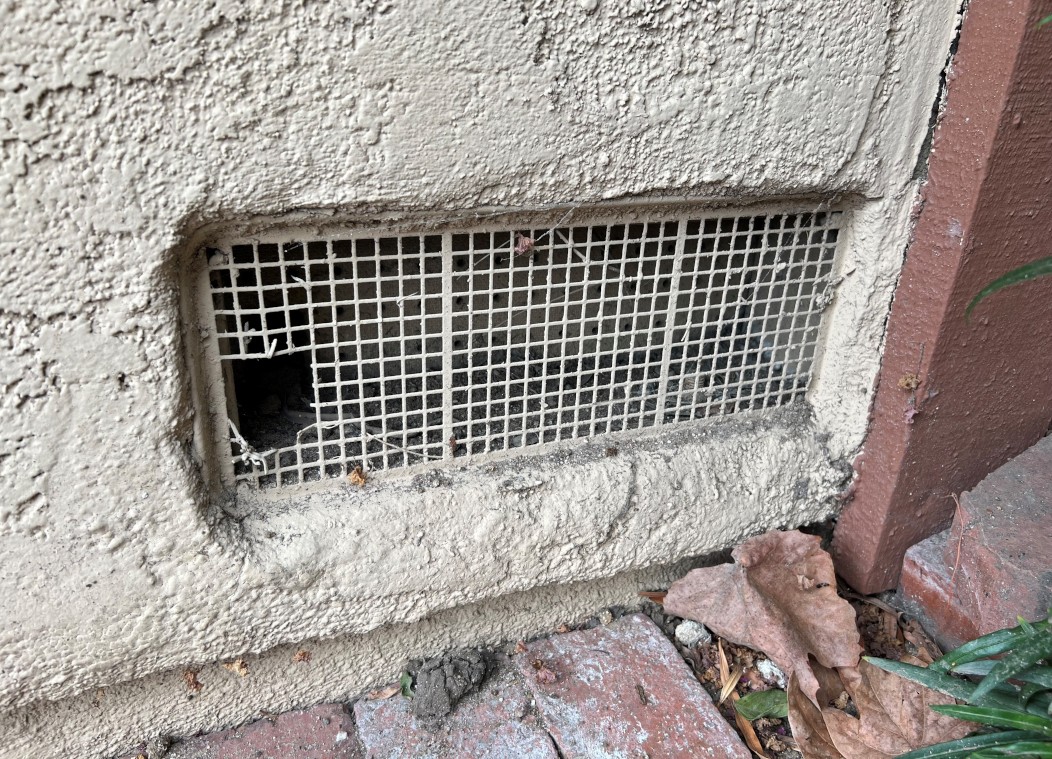
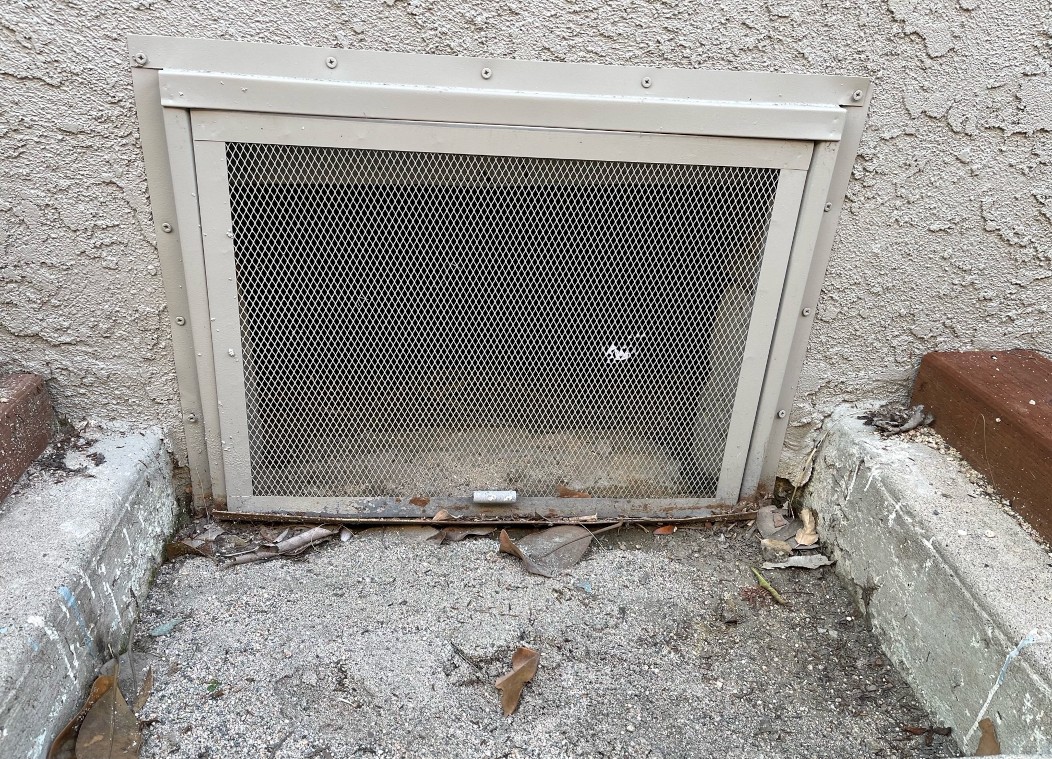
Choose every type of wall vent your home has by clicking on the pictures below, then click "Next". If your home has no wall vents, just click "Next".
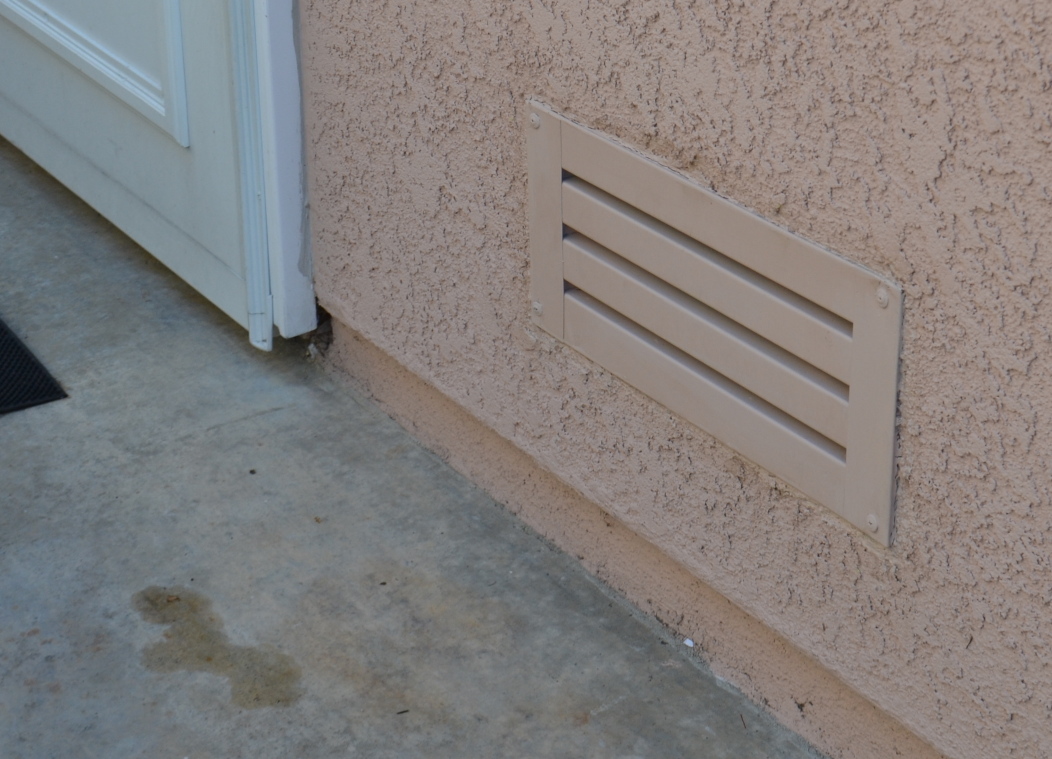
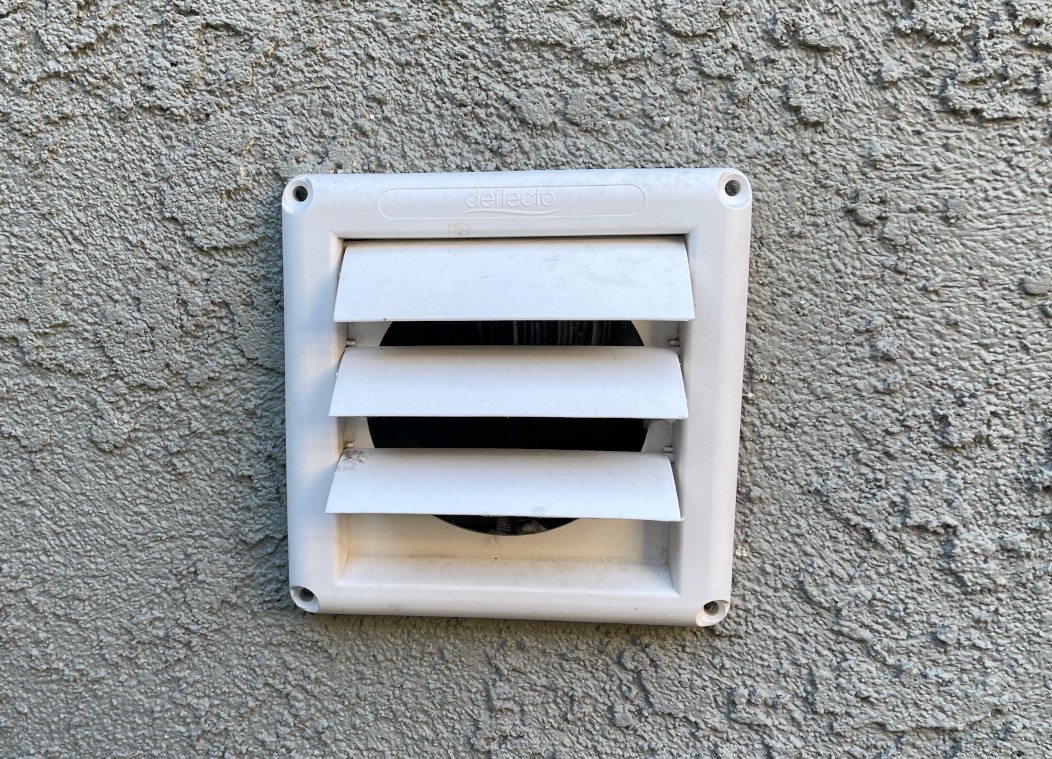
Are exterior/utility wall vents (clothes dryer, bathroom and kitchen exhausts, etc.) protected by a functioning self closing cover flap?
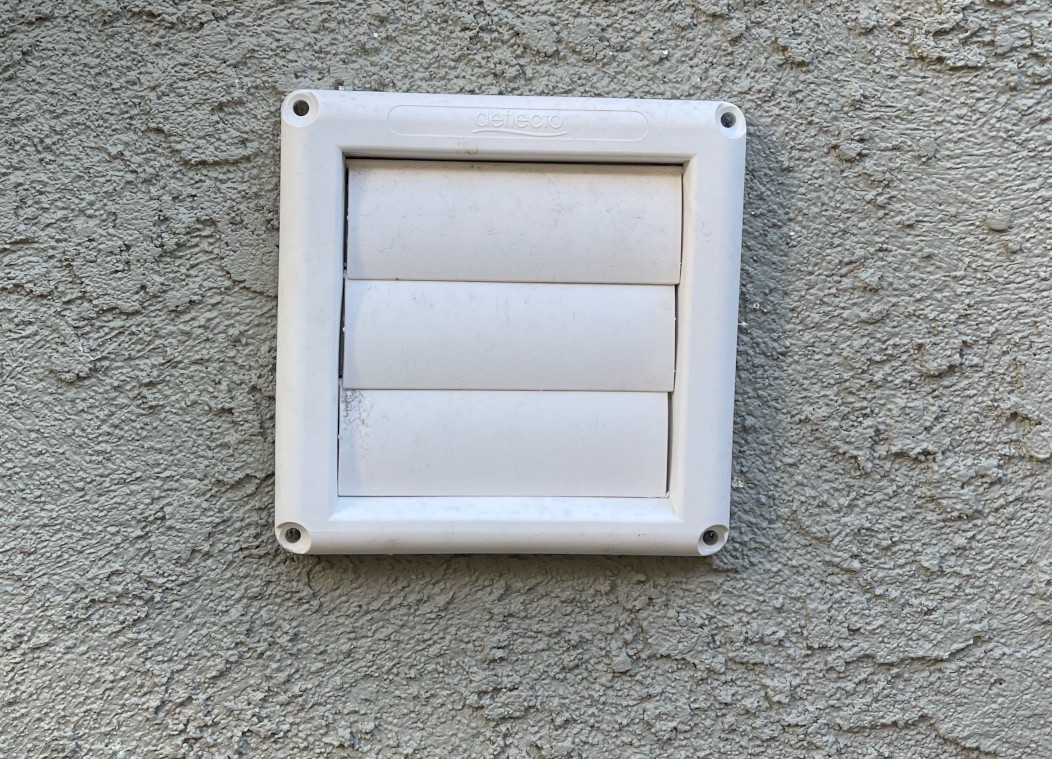
Do exterior utility wall vents (garage, foundation, crawlspace, etc.) have 1/8-inch ignition resistance mesh completely covering openings?
Do exterior utility wall vents (garage, foundation, crawlspace, etc.) have 1/8-inch ignition resistance mesh completely covering openings?
ATTACHMENTS
BALCONIES, PATIO COVERS, DECKS, FENCES, AWNINGS
If it's attached to your home, it's part of your home!
Structural features that are attached to you home (balconies, patio covers, decks, fences, awnings, etc.) provide many opportunities for ignition. Embers can collect at junctions where attachments connect to your home, continue to burn, and cause ignition. Some examples of these types of junctions are:
- Where a deck, patio cover, or balcony meet a wall
- Where a fence meets a wall
Combustible fencing (wood, vinyl, etc.) can ignite well away from your home, burn to where the fence is attached, and cause direct flame contact. Outdoor living spaces (garages, storage areas, etc.) that are screened by drapes rather than doors allow embers to enter and ignite combustible materials. Awnings made of combustible material (canvas, fabric, wood, etc.) can catch embers, ignite, and carry flames to walls, windows, plants, and siding as well as other combustible material located nearby.
Choose every type of structural feature that is attached to your home by clicking on the pictures below, then click "Next". If your home has no structural features attached, just click "Next".
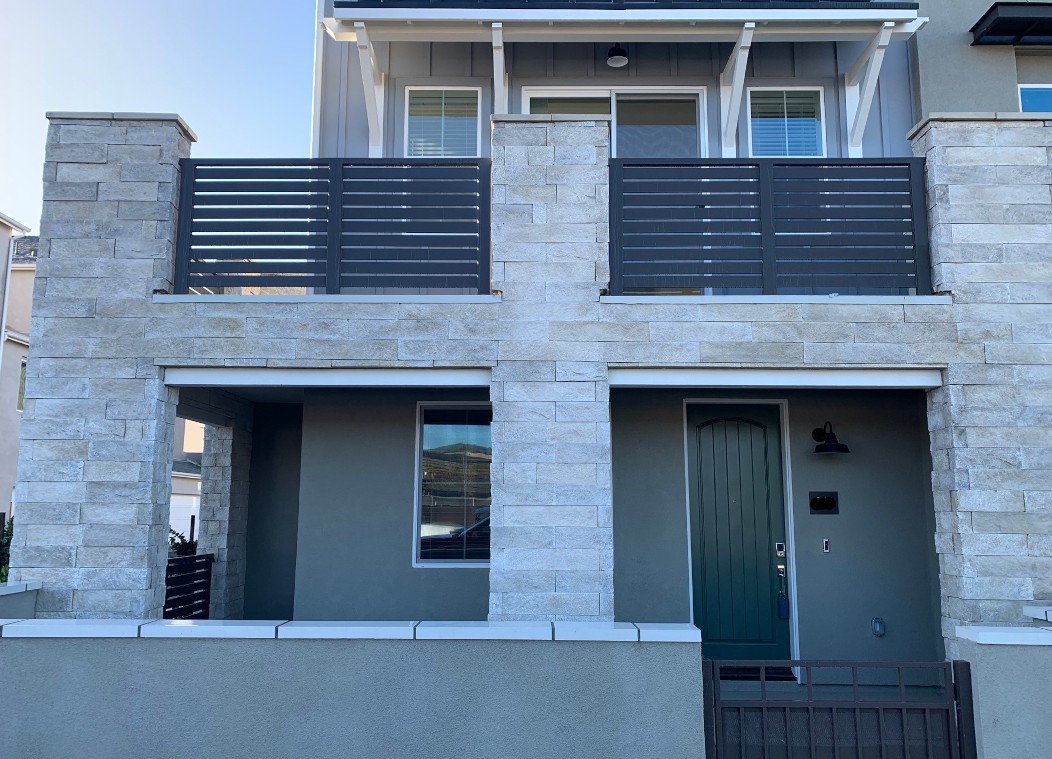
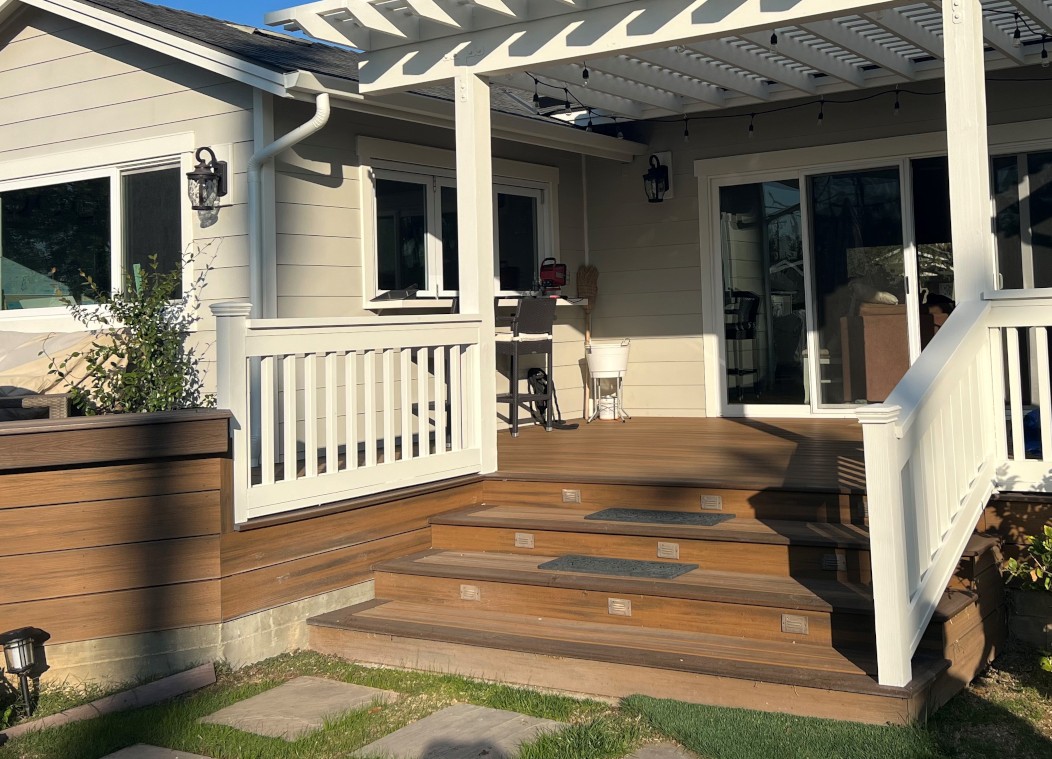
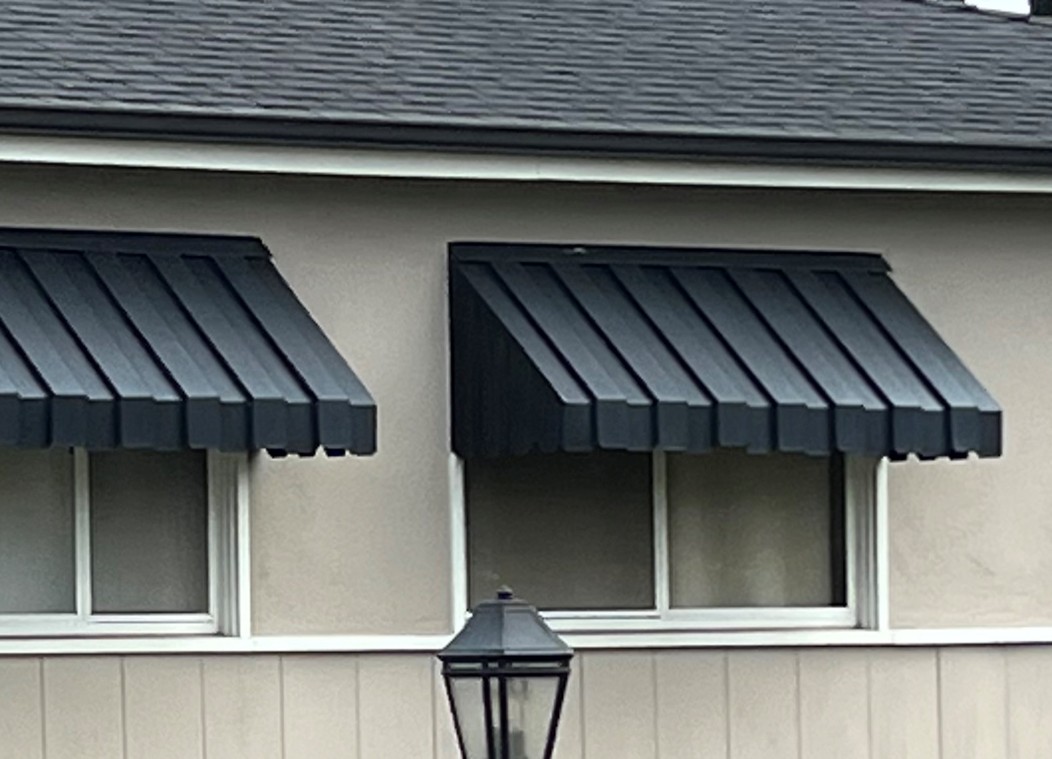
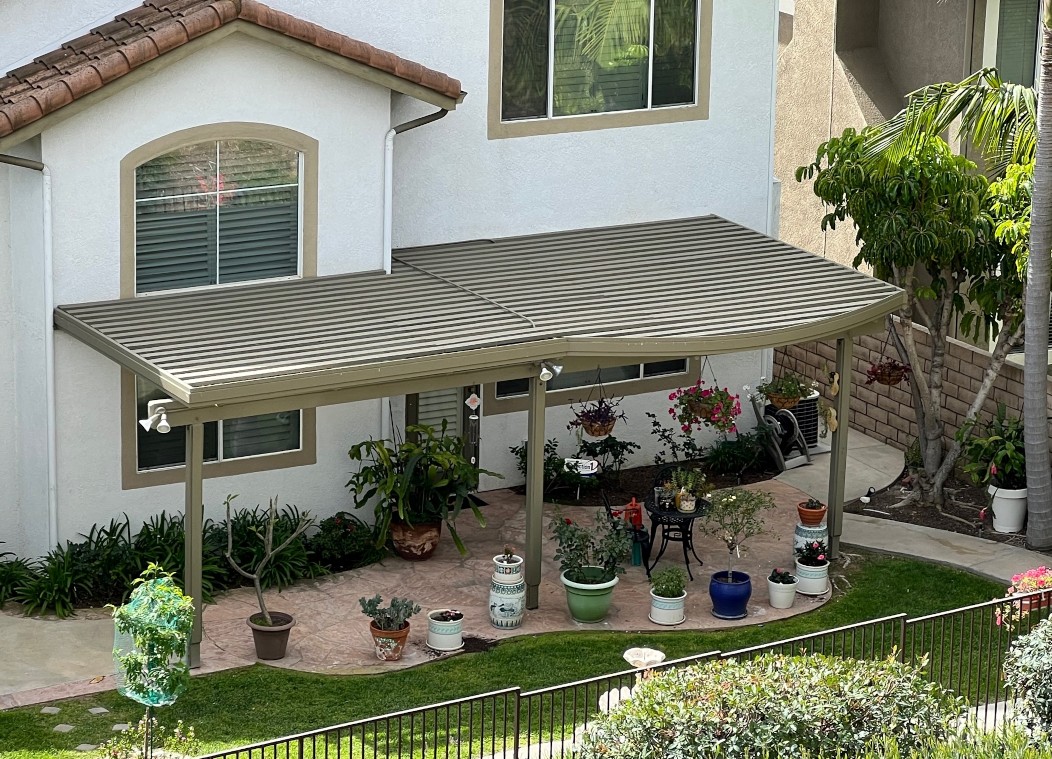
Balconies provide many opportunities for embers to collect, continue to burn, and lead to home ignition. Examples of vulnerable areas include:
- Poor condition due to aging and improper maintenance (gaps, signs of decay, etc.)
- Gaps and cracks along the junction between the balcony and your home
- Combustible construction materials (wood, vinyl, etc.)
- Combustible materials or debris on balcony (patio furniture, mats, pet bedding, carpet, rugs, leaf litter, etc.)
- Combustible materials adjacent to or below balcony (patio furniture, drapes, storage items, organic mulch, vegetation, fencing, etc.)
Cooking and cooking equipment on or beneath balcony are also a potential home ignition source.
Is your balcony built with ignition resistant materials (tile, metal, composite, etc.) and in good condition?
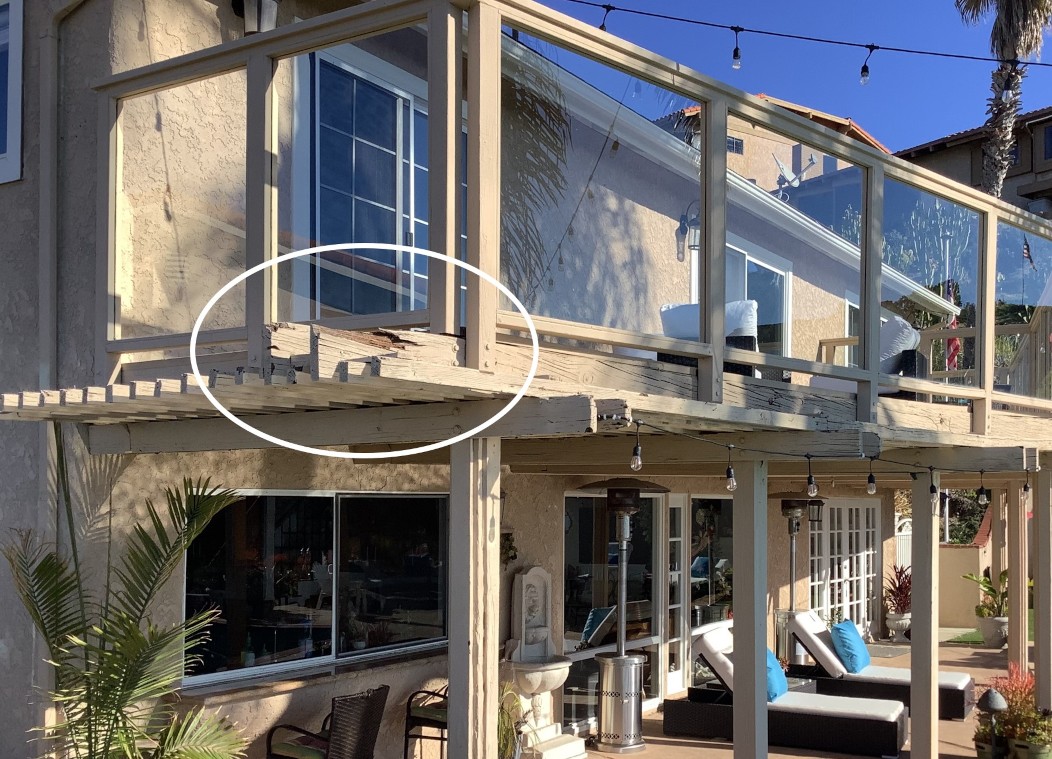
Does your balcony have gaps or openings where embers could lodge and cause ignition (e.g. at junctions where the balcony meets the wall)?

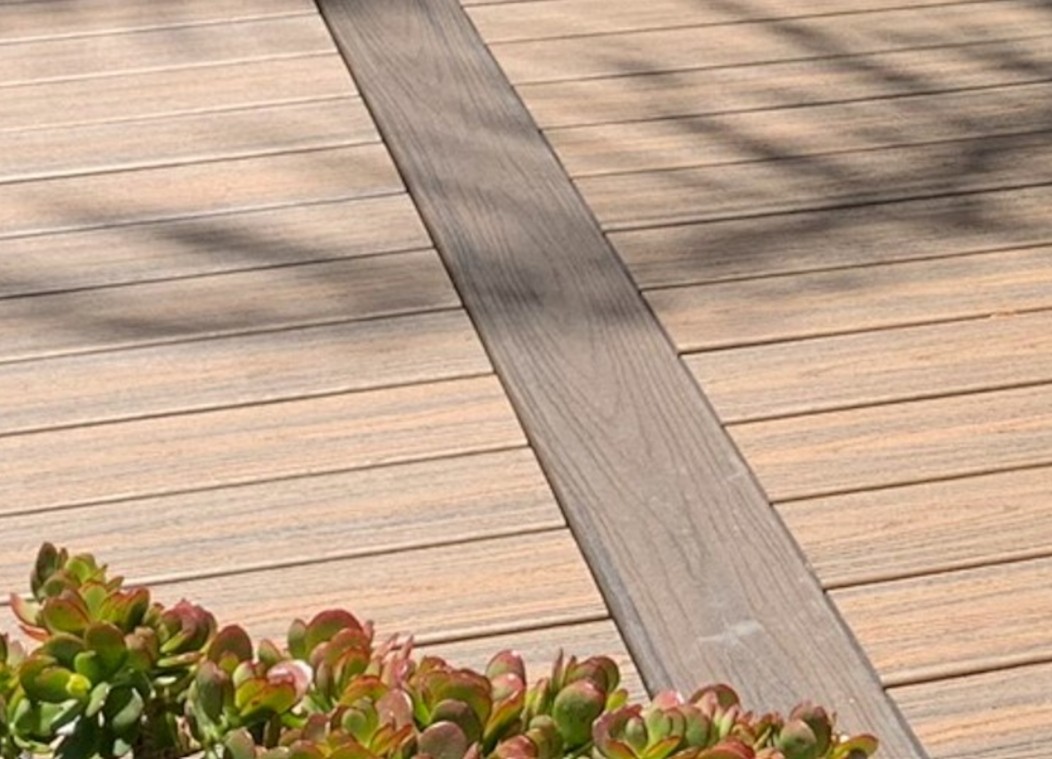
Is there combustible material (patio furniture, drapes, mats, pet bedding, rugs, etc.) on your balcony where embers could collect and cause ignition?
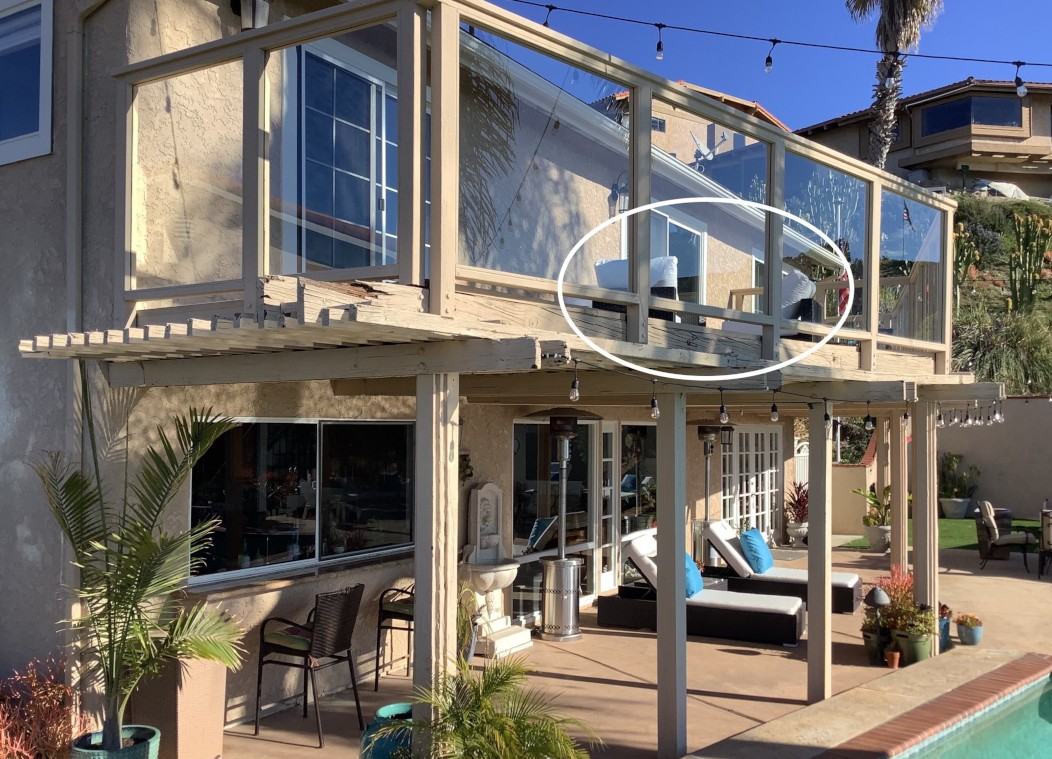
Is there combustible material (patio furniture, drapes, storage items, organic mulch, vegetation, fencing, etc.) below your balcony where embers could collect and cause ignition?
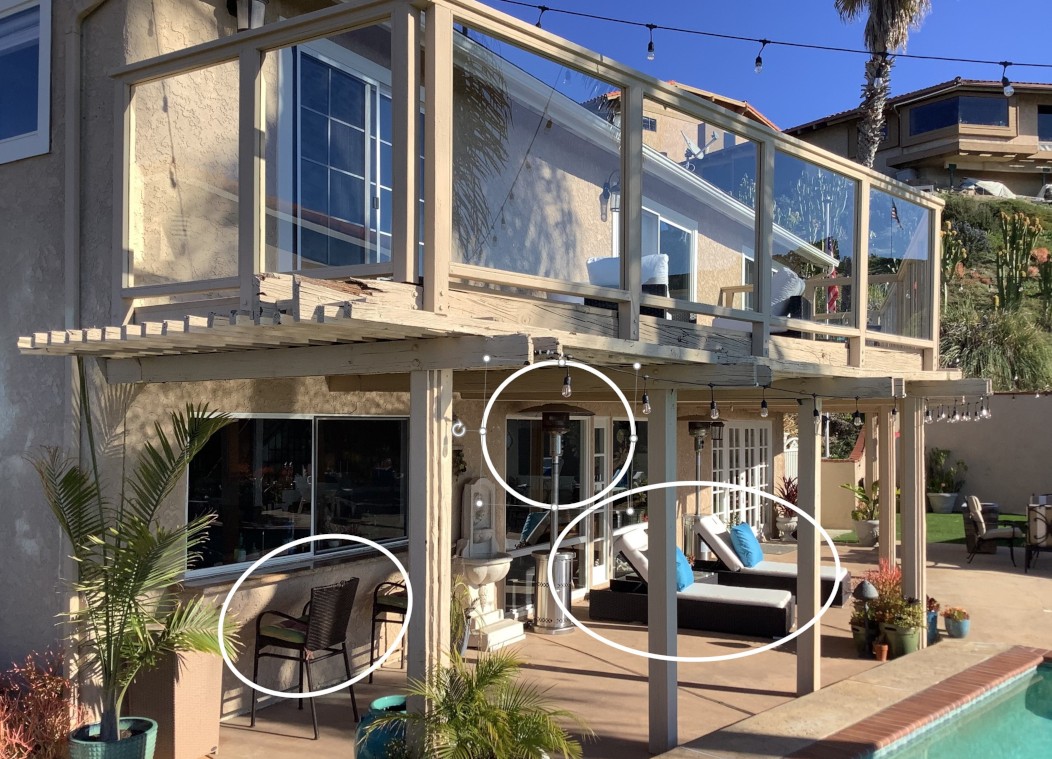
Is cooking or barbeque equipment used on or underneath your balcony?
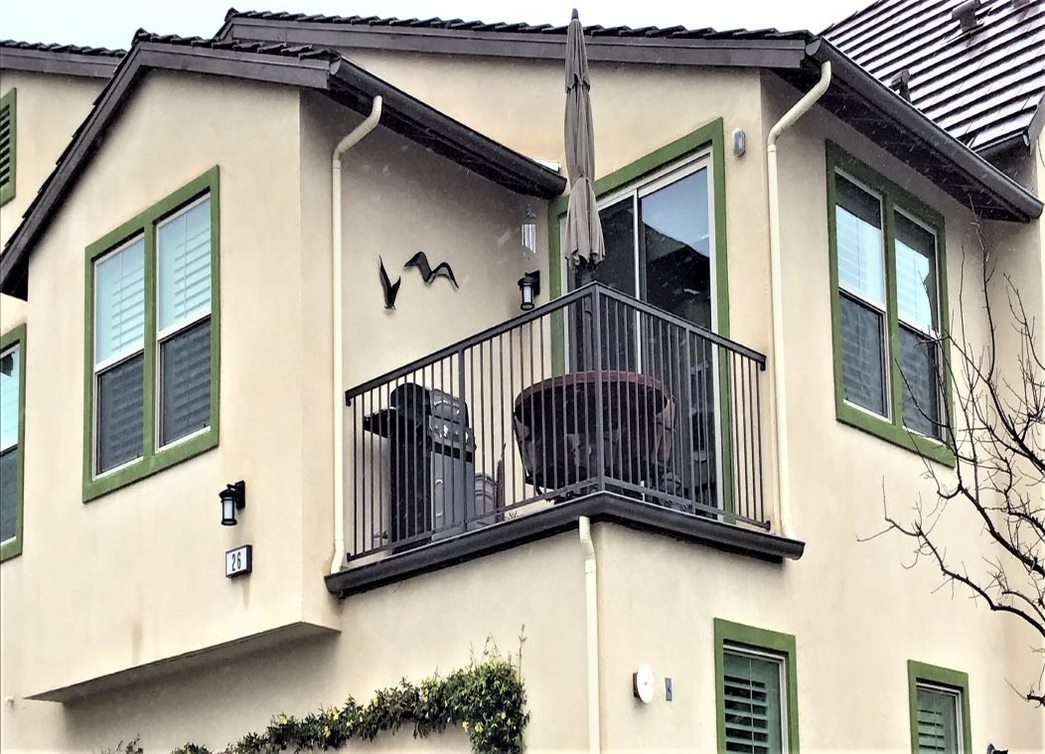
Patio covers provide many opportunities for embers to collect, continue to burn, and lead to home ignition. Examples of vulnerable areas include:
- Poor condition due to aging and improper maintenance (gaps, signs of decay, etc.)
- Gaps and cracks along the junction between the patio cover and your home
- Combustible construction materials (wood, vinyl, etc.)
- Combustible materials or debris on, adjacent to, or below the patio cover (patio furniture, drapes, storage, organic mulch, fencing, poorly maintained vegetation, etc.)
- Cooking and cooking equipment beneath patio covers are a potential home ignition source.
Is your patio cover built with ignition resistant materials (metal, composite material, etc.), and in good condition?
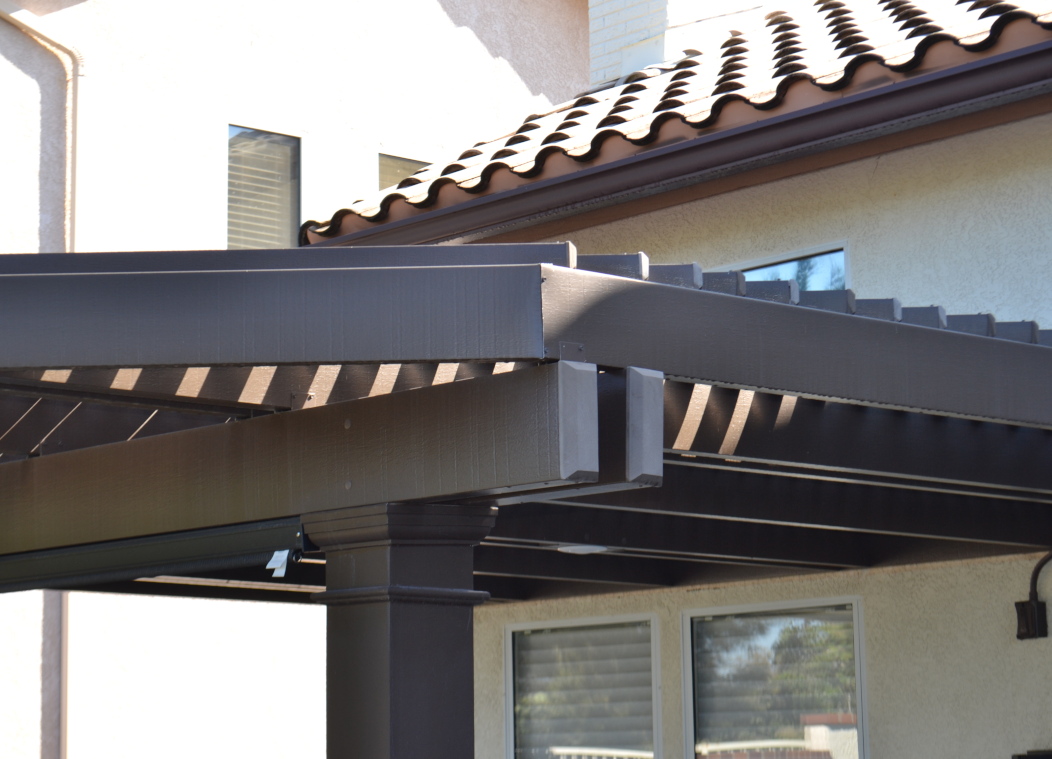
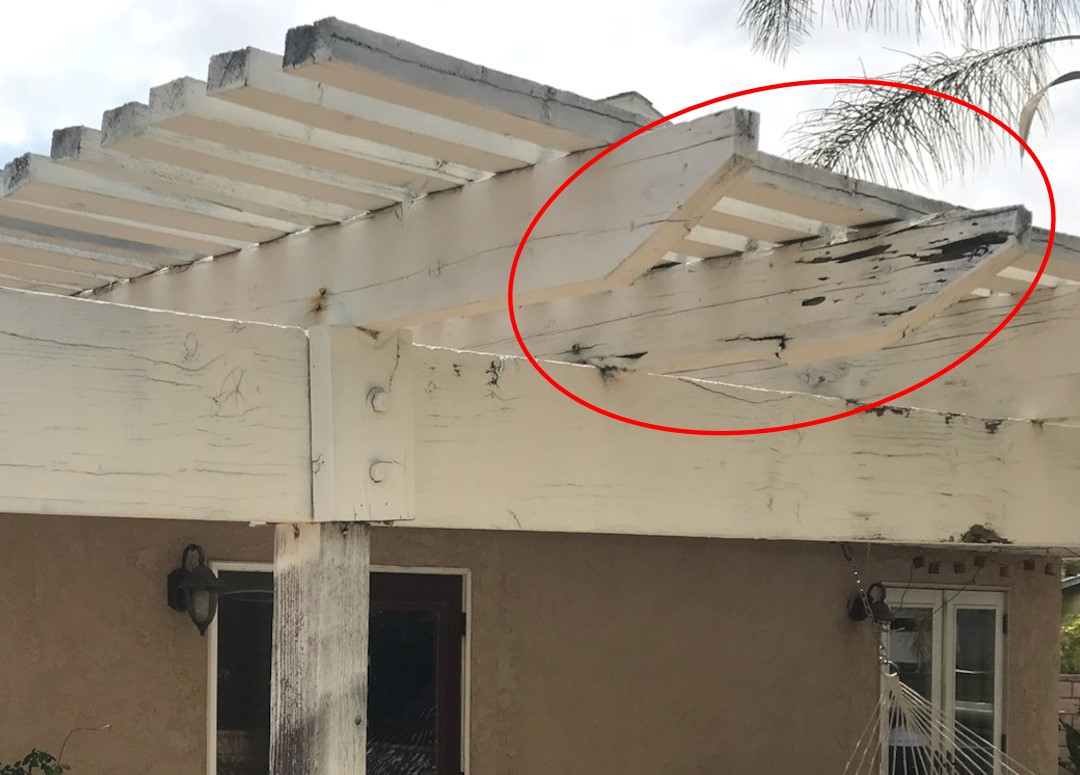
Does your patio cover have gaps or openings where embers could lodge and cause ignition (e.g. at junctions where the patio cover meets the wall)?
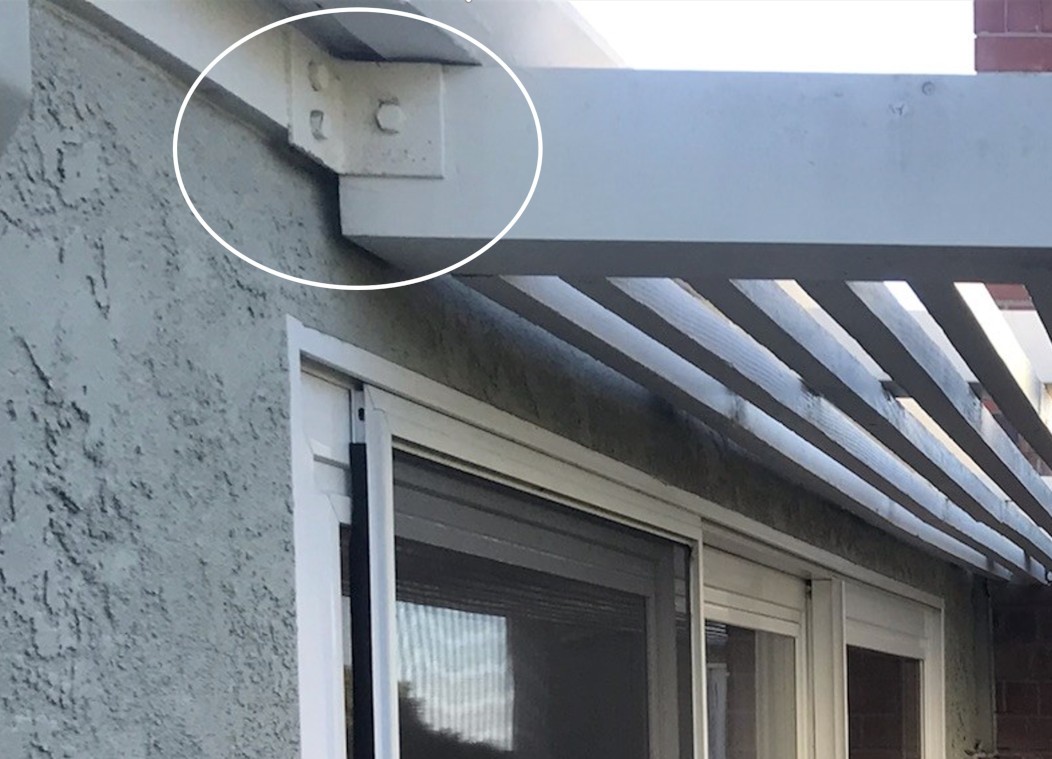
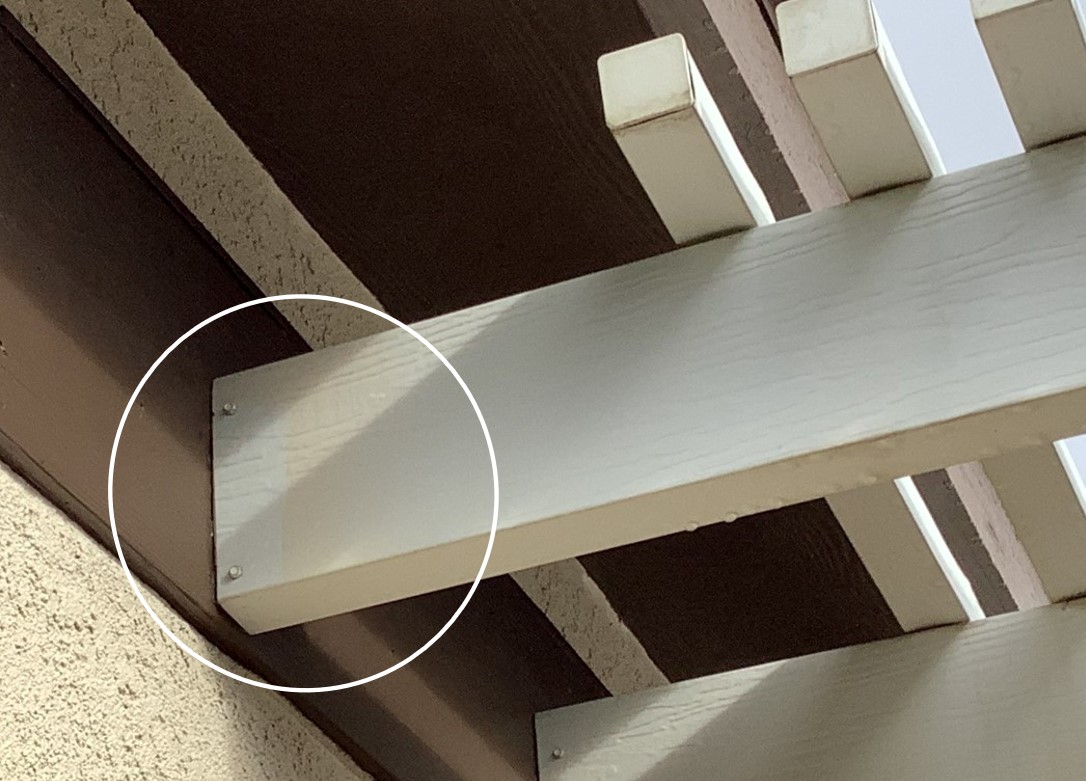
Is there combustible material (patio furniture, drapes, storage items, organic mulch, vegetation, fencing, etc.) below or near your patio cover where embers could collect and cause ignition?
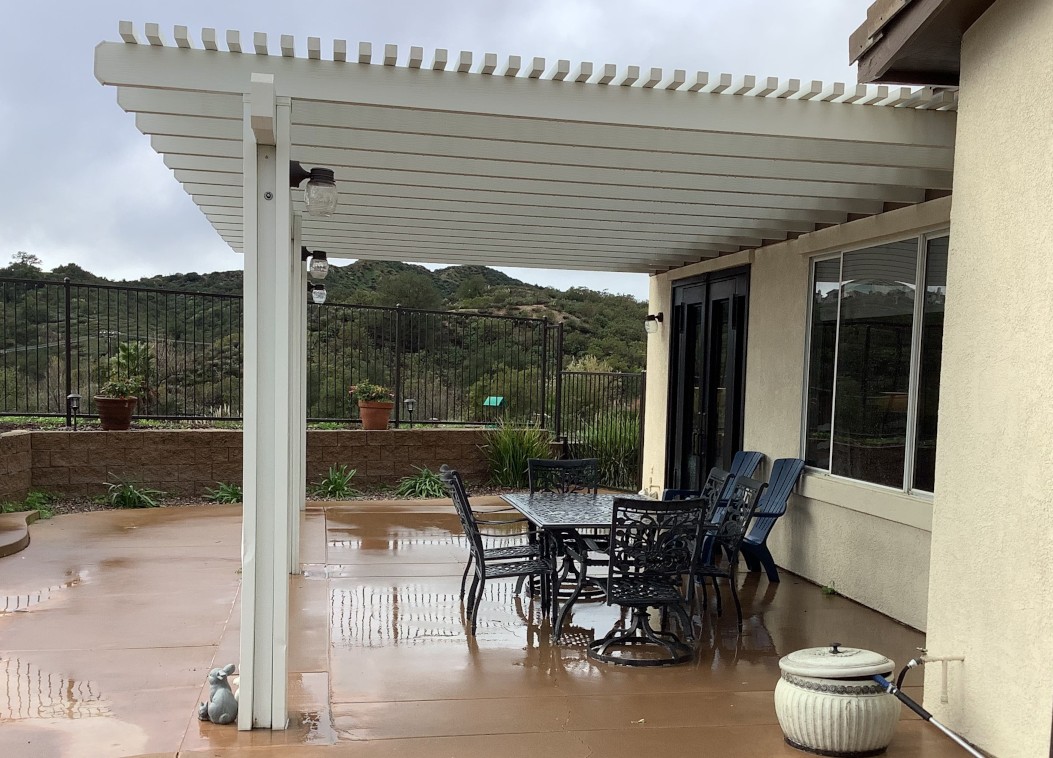
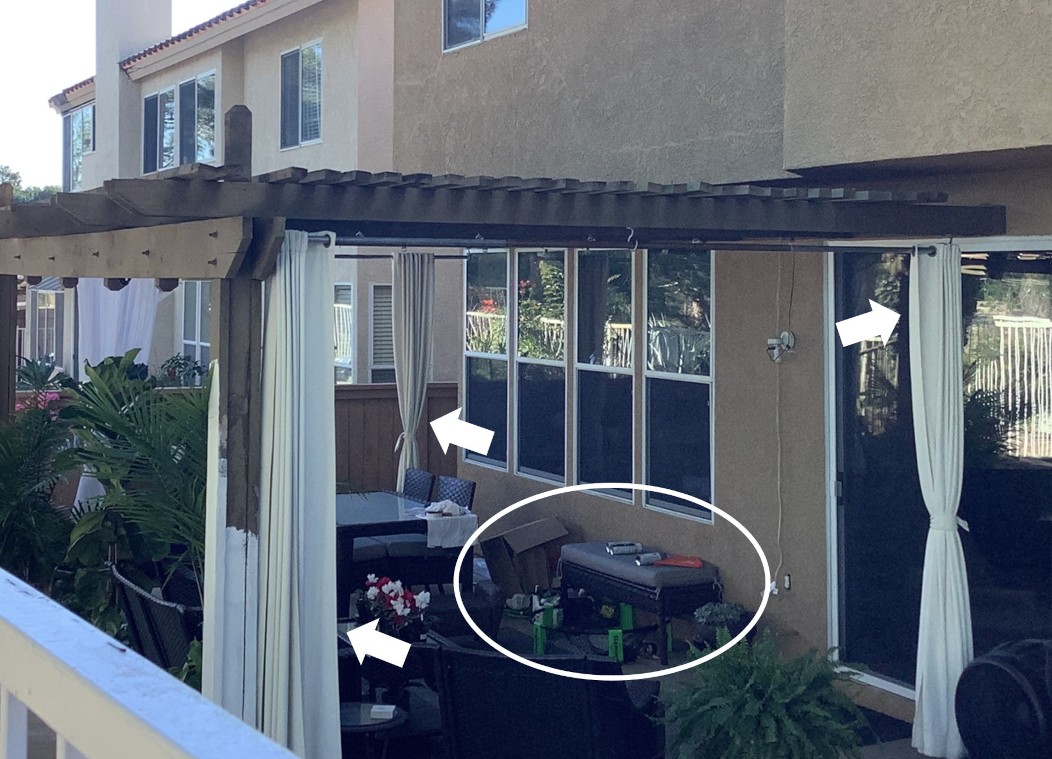
Is cooking or barbeque equipment used on or underneath your patio cover?
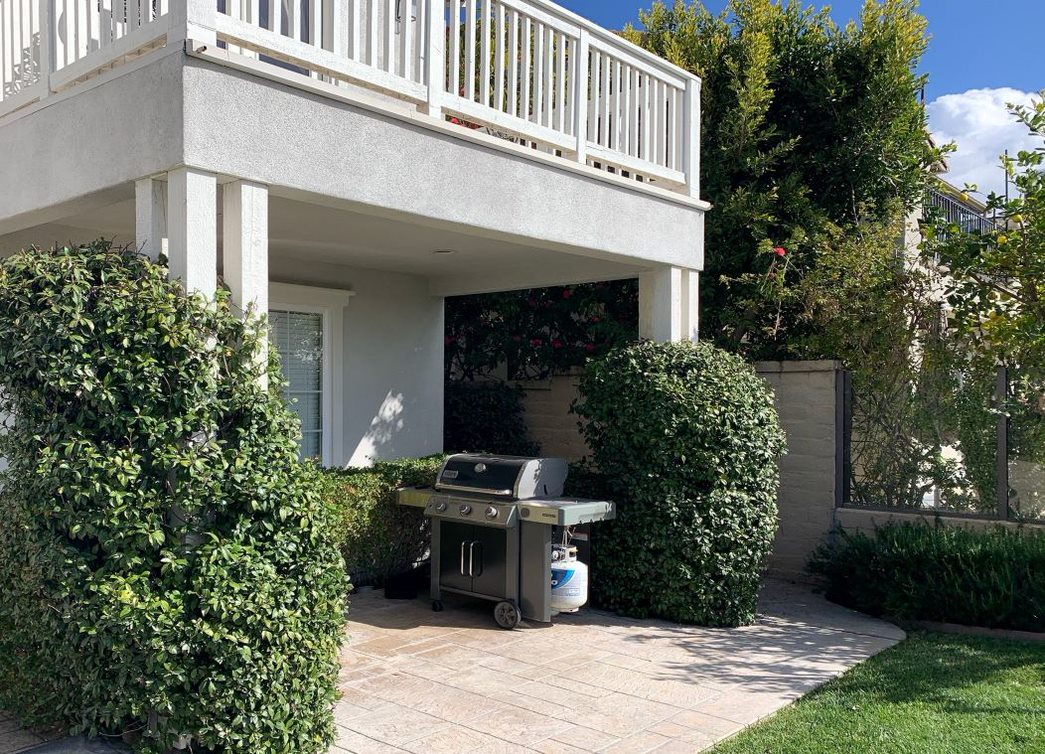
Decks provide many opportunities for embers to collect, continue to burn, and lead to home ignition. Examples of vulnerable areas include:
- Poor condition due to aging and improper maintenance (gaps, signs of decay, etc.)
- Gaps and cracks along the junction between the deck and your home
- Combustible construction materials including struts and supports (wood, etc.)
- Combustible materials and debris on decks (patio furniture, rugs, leaf litter, etc.)
- Combustible materials adjacent to or nearby (patio furniture, drapes, storage, organic mulch, vegetation, fencing, etc.)
- Combustible debris or combustible materials under the deck (lumber, plants, leaf litter, firewood, etc.)
Is your deck built with ignition resistant materials (concrete, composite, masonry, etc.) and in good condition?
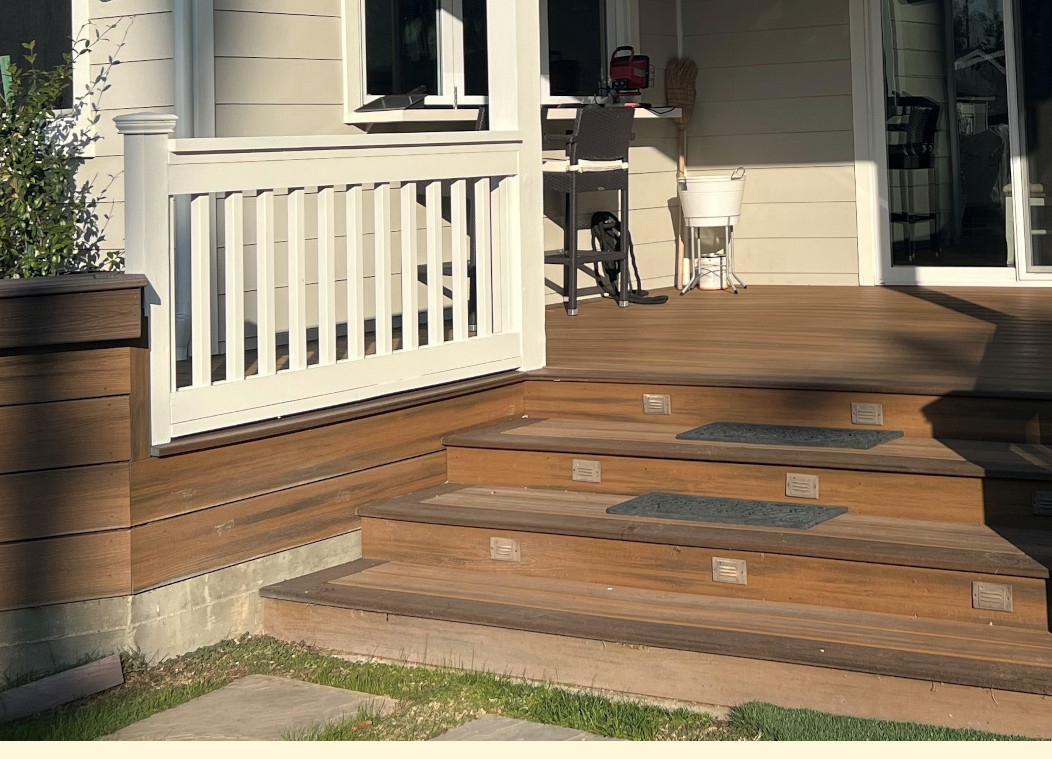
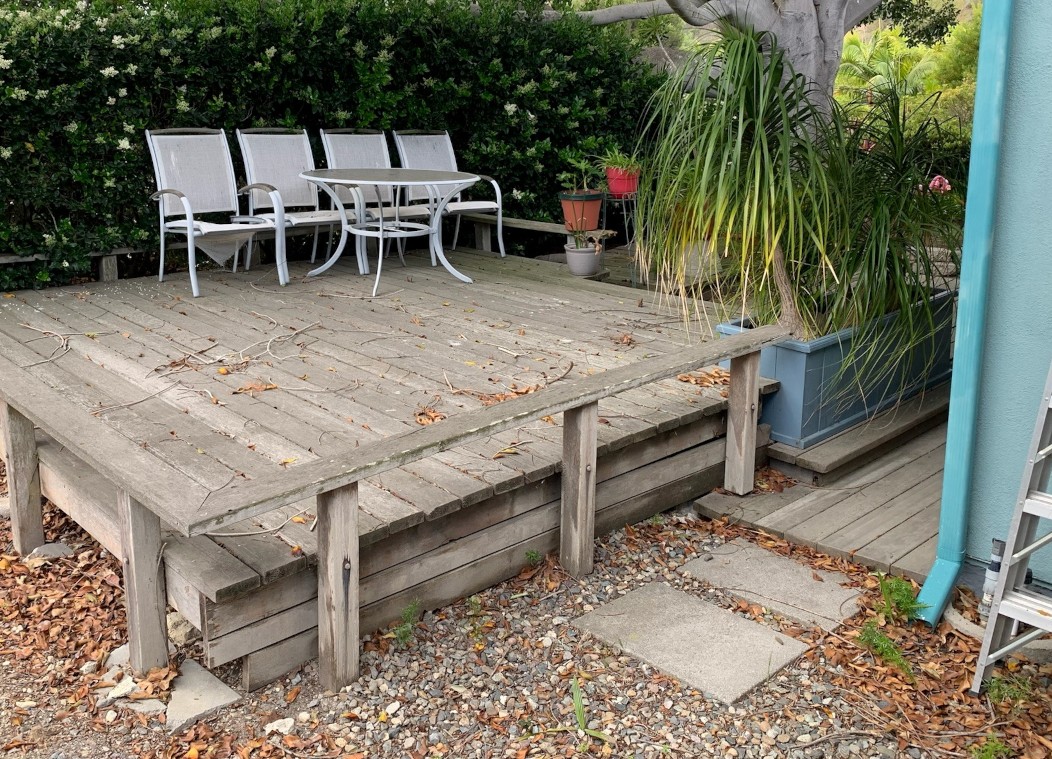
Does your deck have gaps or openings where embers could lodge and cause ignition (e.g. at junctions where the balcony meets the wall)?
Is there combustible material (patio furniture, mats, pet bedding, rugs, etc.) on your deck?
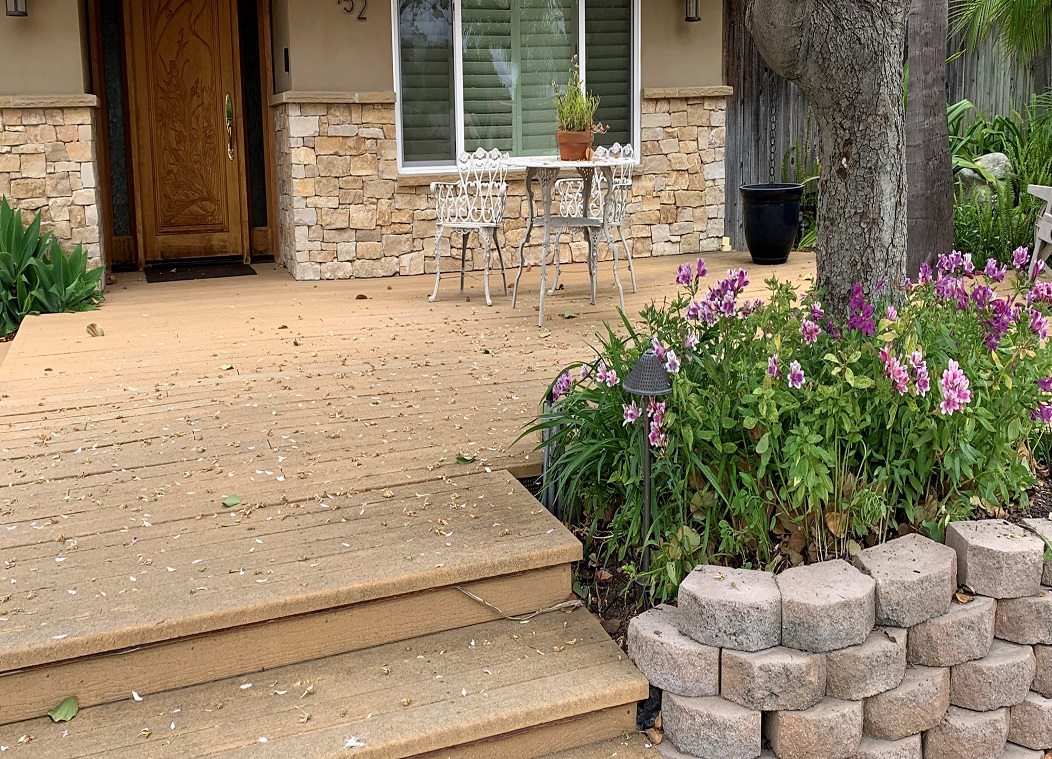
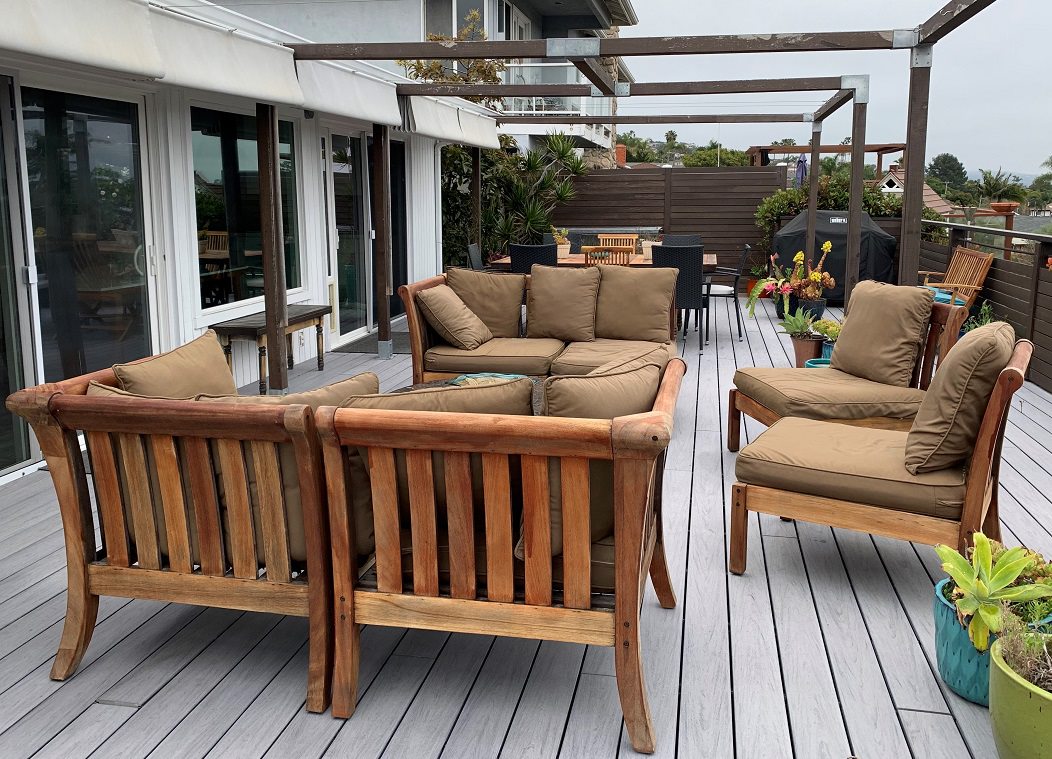
Is there combustible material under, nearby, or attached to your deck where embers could collect and cause ignition?
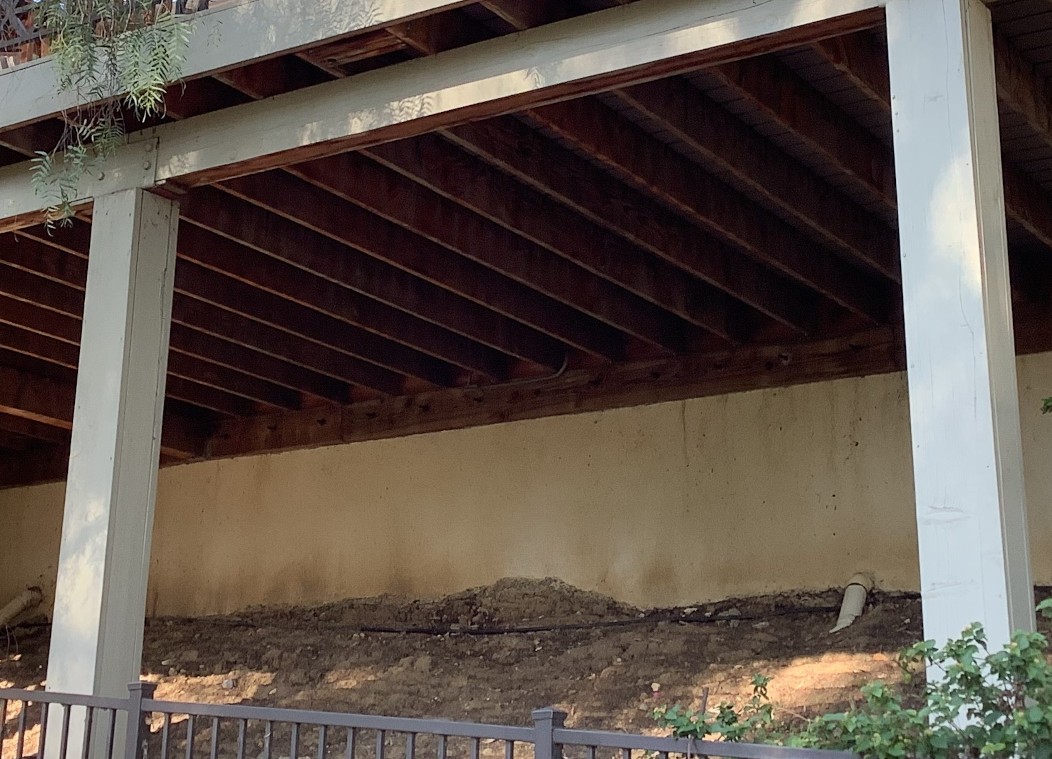
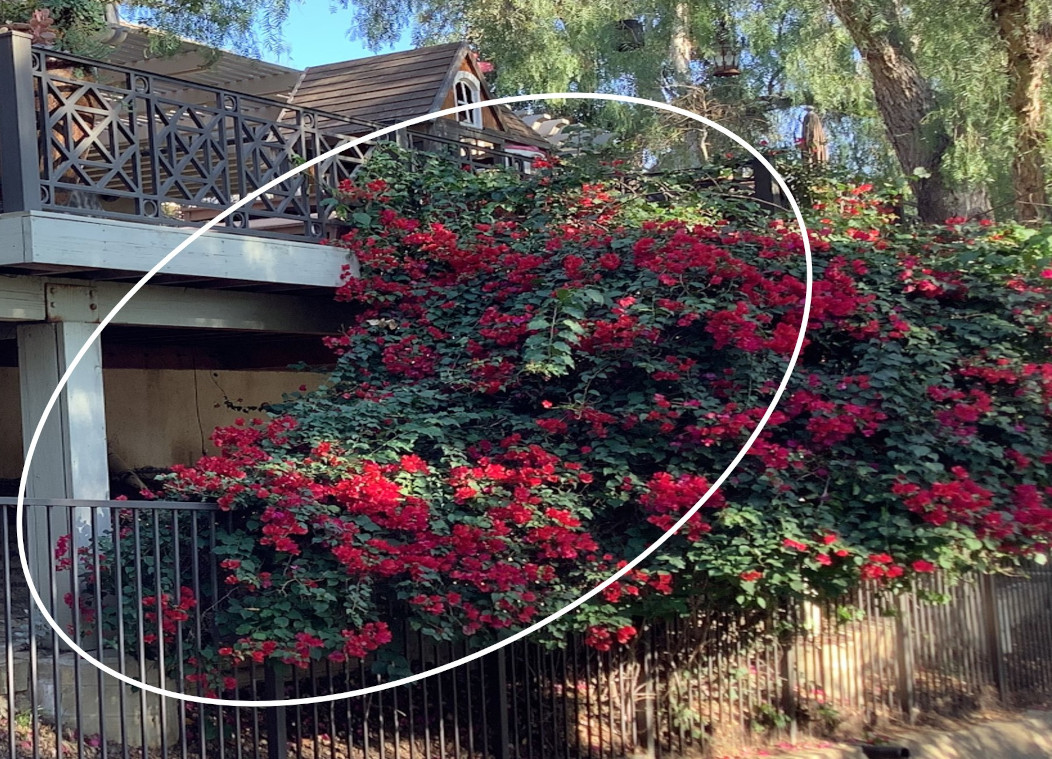
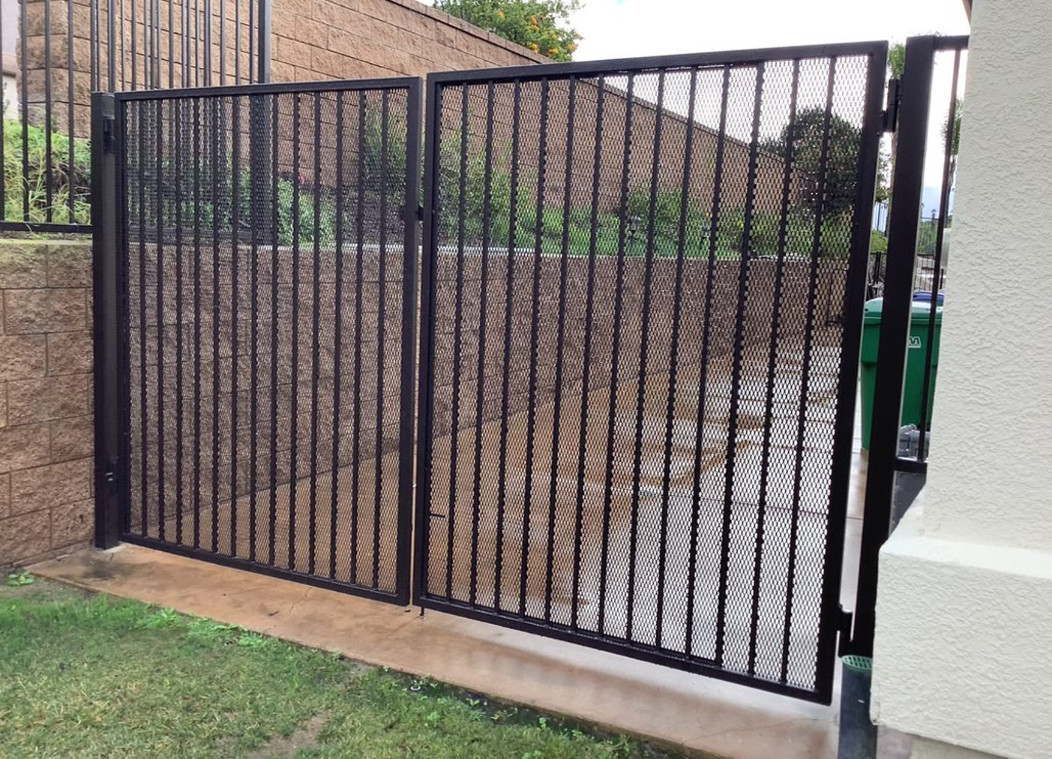
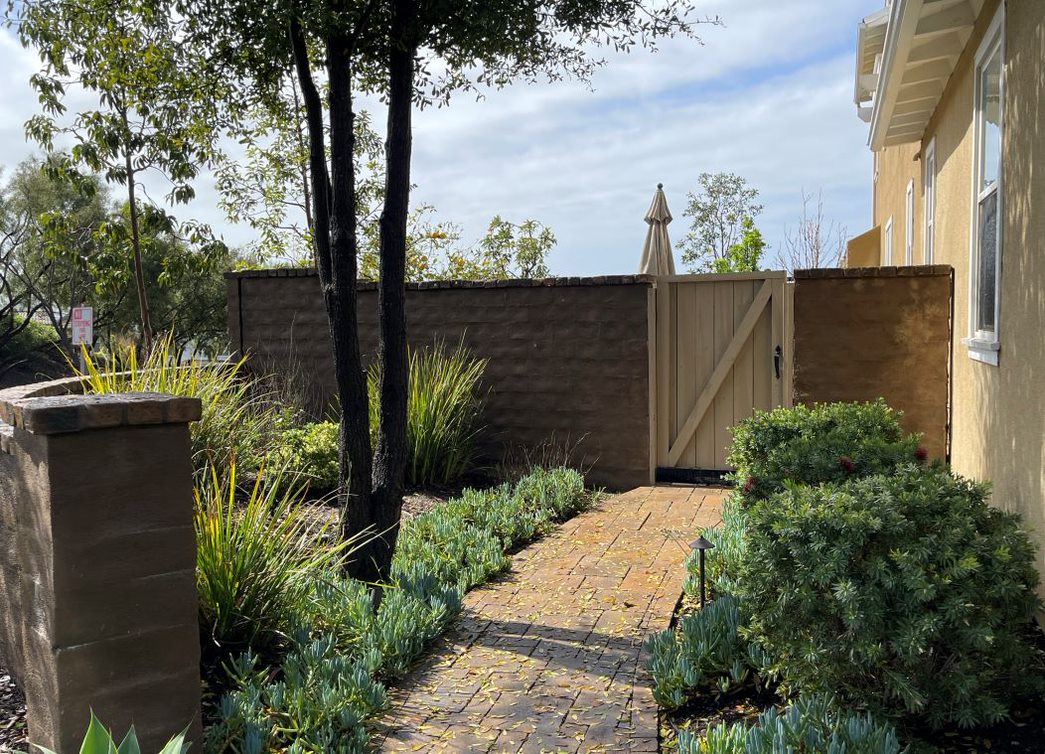
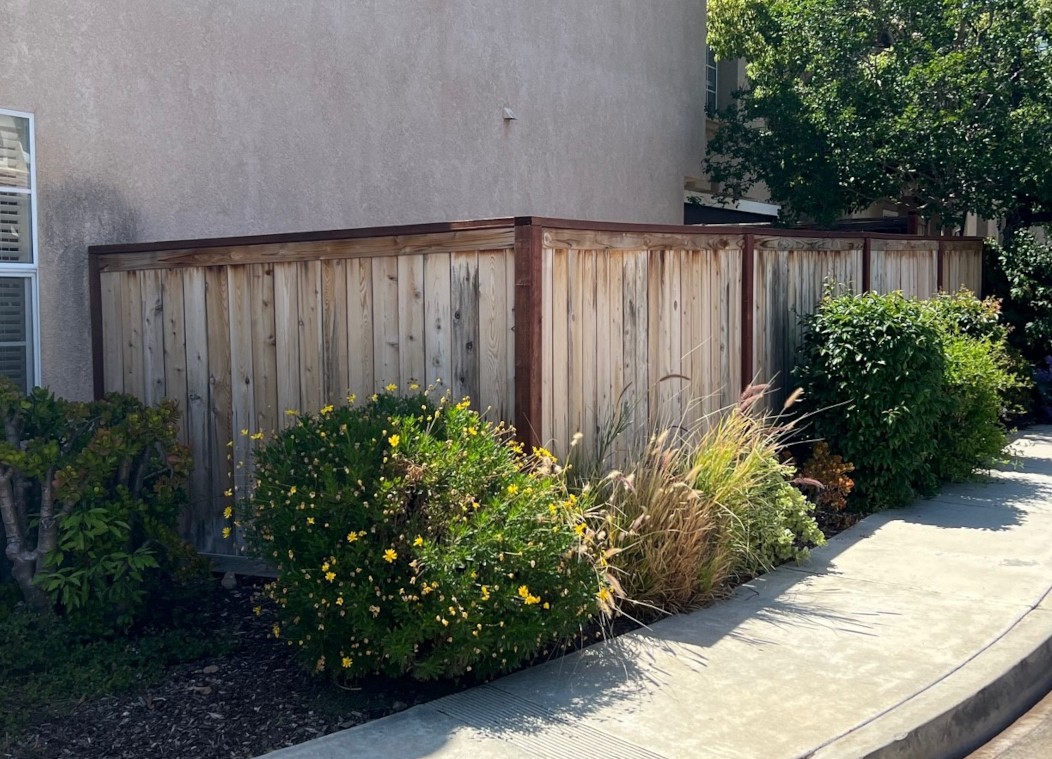
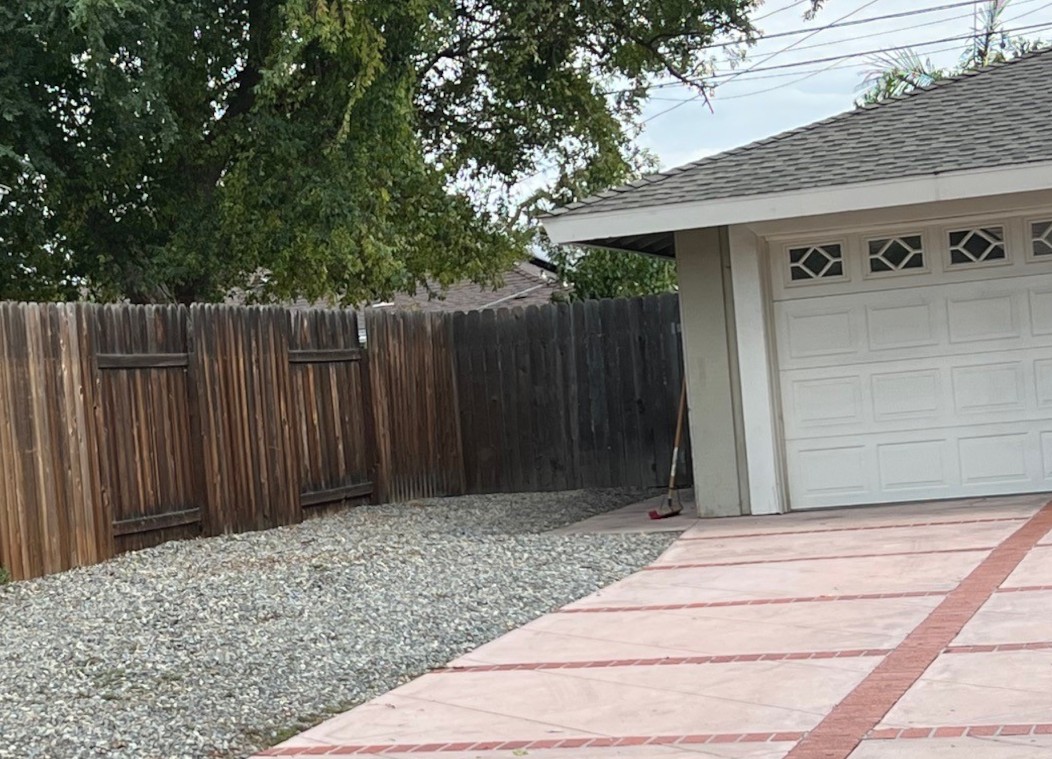
Combustible fences (wood, vinyl, etc.) provide fuel pathways for fire to develop well away from a home. Once ignited, the fence can continue to burn, until the fire reaches your home and can cause ignition. Combustible fencing should be connected to your home with a noncombustible gate or noncombustible panel (metal, cinderblock, etc.) that prevent flames from reaching your home. Fuels (vegetation, leaf litter, etc.) along both sides of combustible fencing should be removed to increase fire-resistance and prevent ignition and transfer of flames to your home.
Fences attached to or within 10 feet of your home.
Is your fence built using ignition resistant material (metal, stucco, etc.) and in good condition?
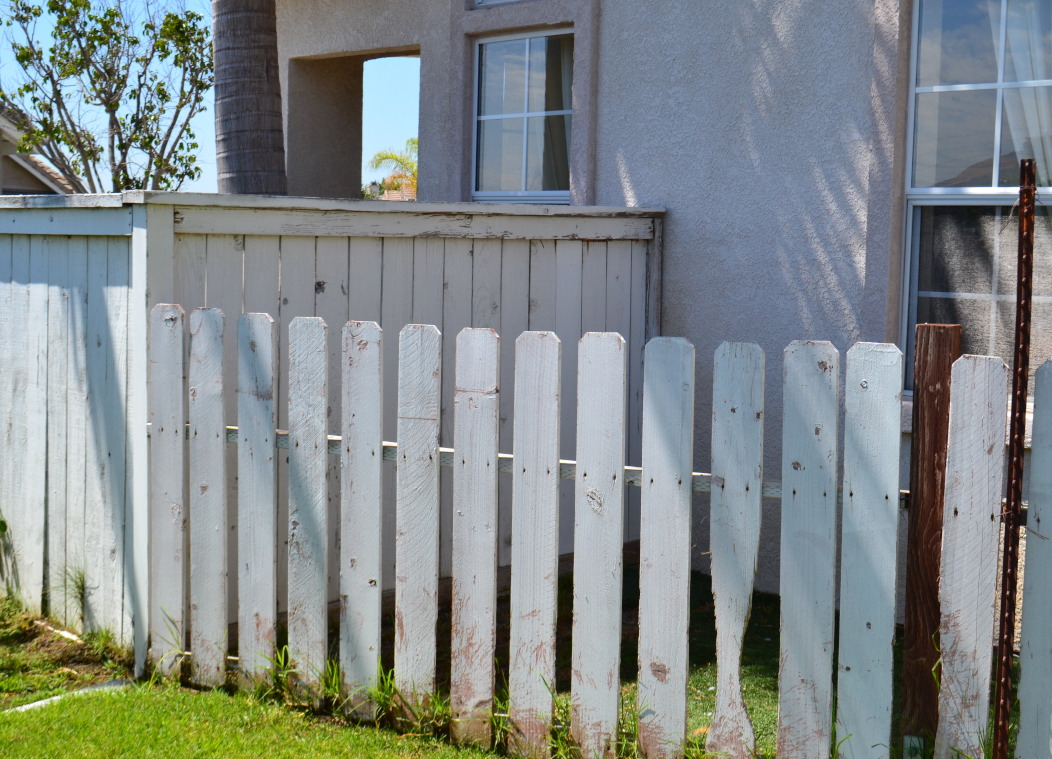
Is there combustible materials (vegetation, debris, storage items, organic mulch, etc.) close enough to ignite your fence (e.g. along the base, along the sides, etc.)?
Cloth awnings that shade windows can be a source of home ignition:
- Combustible awnings (cloth, vinyl, etc.) can ignite when embers collect on or nearby. Once ignited, flames can spread to your home and cause ignition
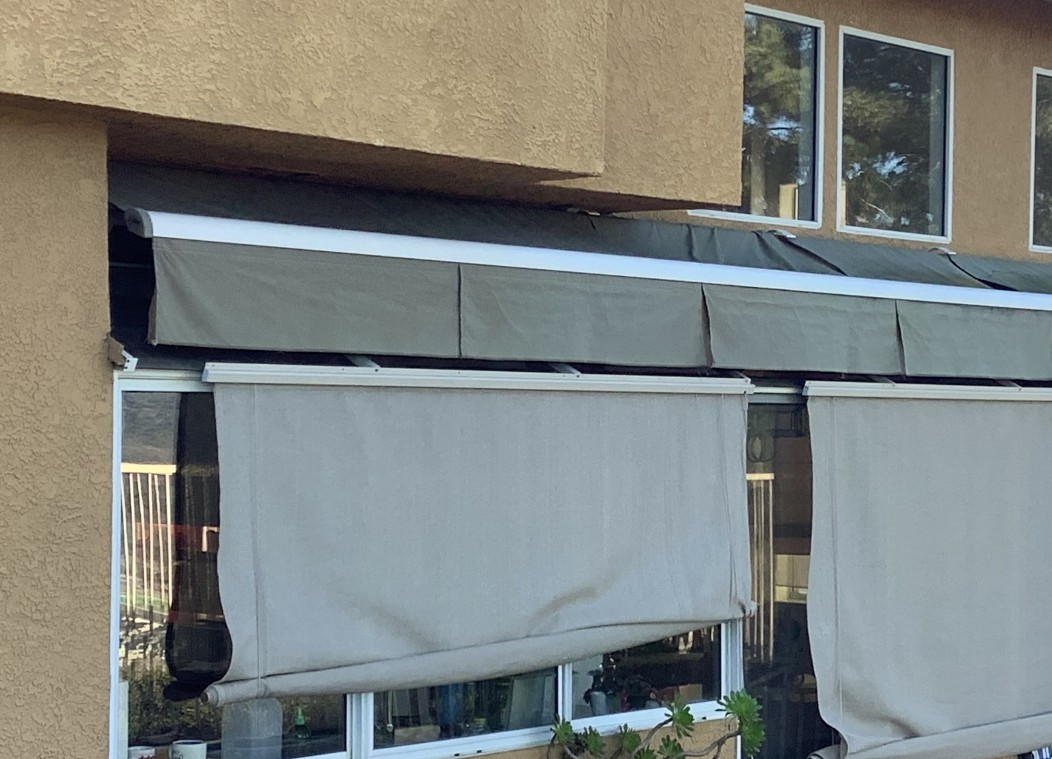
Are awnings made of combustible material (fabric, canvas, mesh, wood, etc.)?
HOME IGNITION ZONES
Research shows that creating and maintaining the areas around your home can significantly reduce the risk of ignition during a wildland fire event. These areas are known as Home Ignition Zones and include the home, attachments, (fences, decks, patio covers, balconies, etc.), outbuildings, and vegetation. There are three Home Ignition Zones to consider when preparing for a wildland fire: the Immediate Zone (0-5 feet), the 5-30 Foot Zone, and the 30-100 Foot Zone. The zones extend from the foundation out toward your lot line and end at the lot line or the length of the zone, whichever is first.
Immediate Zone (0-5 feet)- The main objective of the Immediate Zone is to reduce the potential for embers to ignite combustible material leading to direct flame contact. This is accomplished by limiting combustible material within the first 5 feet of your foundation and hardening your home. This zone includes the home itself, anything attached to your home, and should include the area around any outbuildings (detached garages, barns, etc.).
- The main objective of the 5–30 Foot Zone is to reduce the likelihood that a wildland fire will burn directly to the structure and cause ignition through direct flame contact or radiant heat. This is accomplished by modifying, reducing, or removing fuels. An additional purpose of this zone is to provide an area for fire personnel to stage and take action to protect your home.
- The main objective of the 30–100 Foot Zone is to keep the fire low to the ground, eliminate laddering fuels, reduce crown fires, and slow the forward progress of the fire. Additional benefits of the 30–100 Foot Zone includes reduction of flame heights, reduction of ember generation, and limiting radiant heat exposure. This in turn improves the functions of the 5-30 Foot Zone and the Immediate Zone.
IMMEDIATE ZONE (0-5 FEET OR TO YOUR LOT LINE)
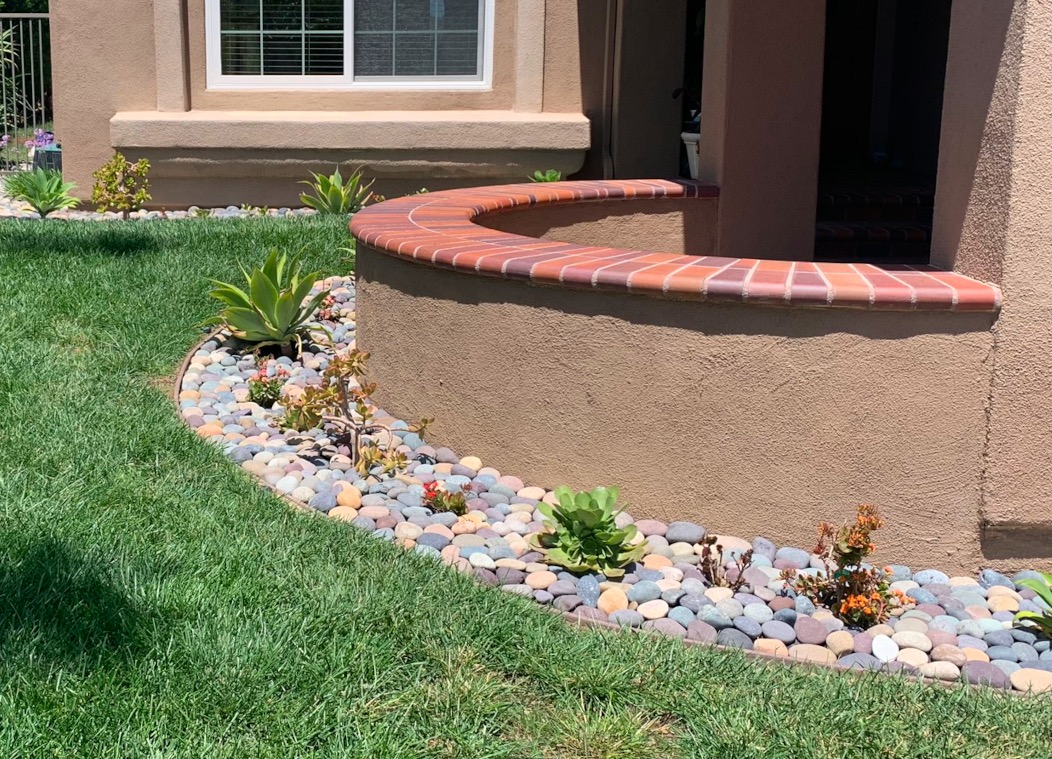
Is all vegetation within the first 5 feet of your home (or to your lot line) ignition resistant (green, well irrigated, free of dead material, low growing, kept below 2 feet, etc.)?
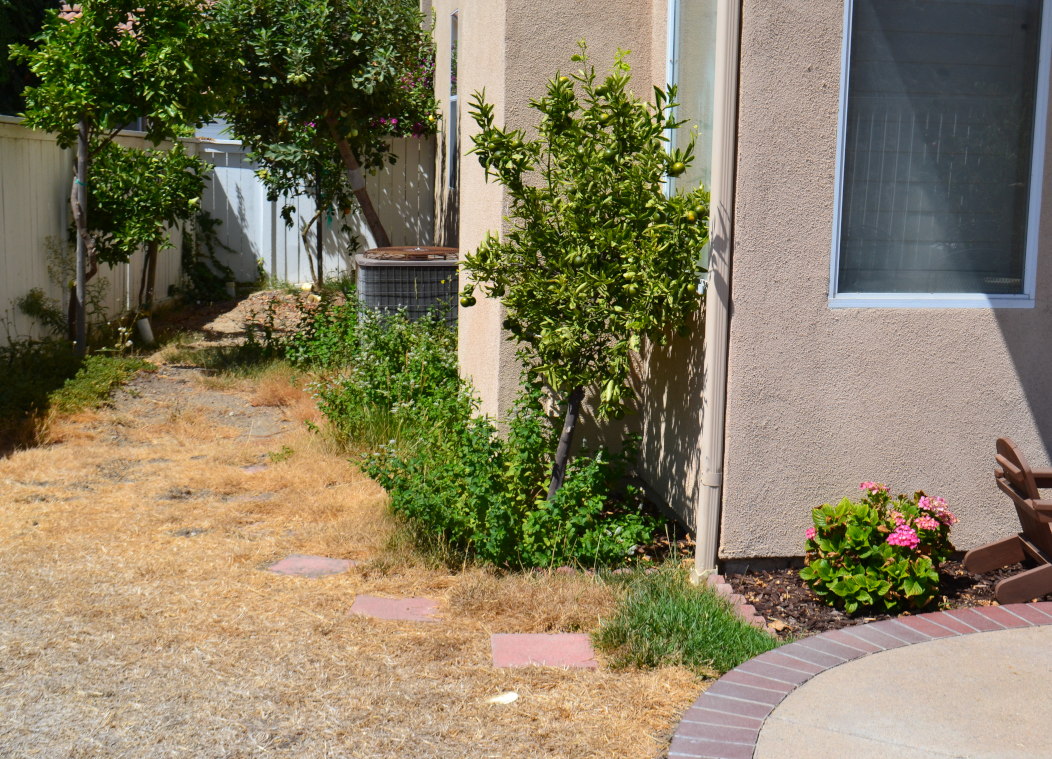
Is there any dead plant material (including pine needles, leaf litter, palm fronds, etc.) or combustible mulch (bark, wood chips, etc.) within the first 5 feet of your home (or to your lot line)?
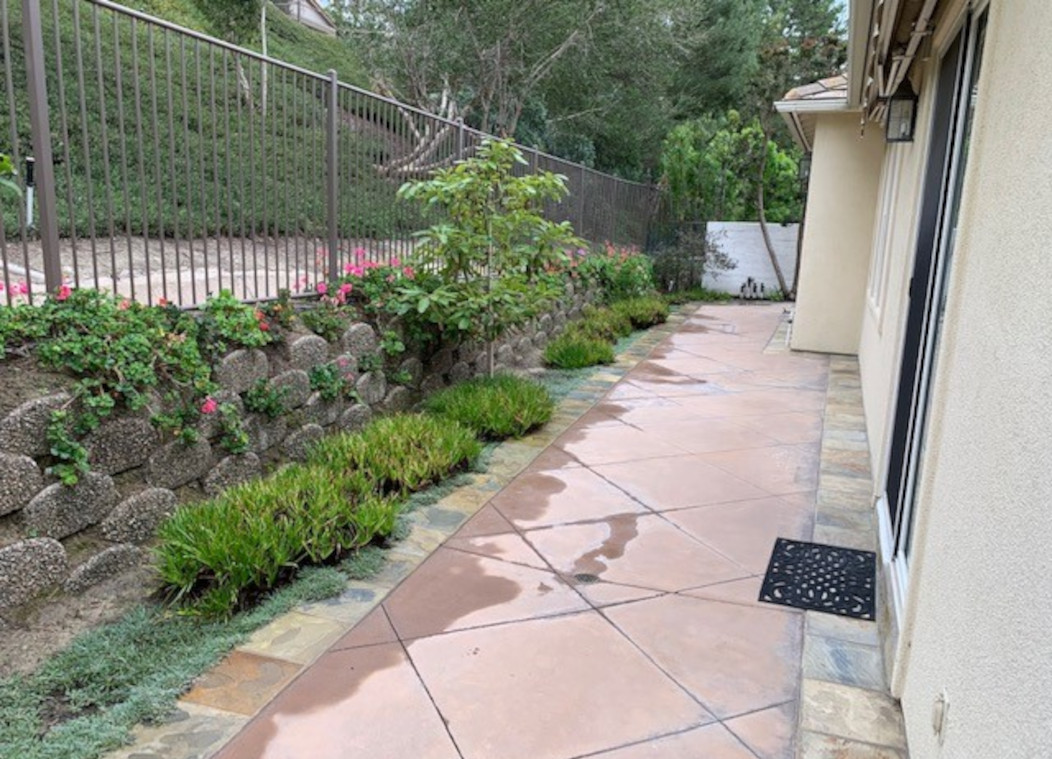
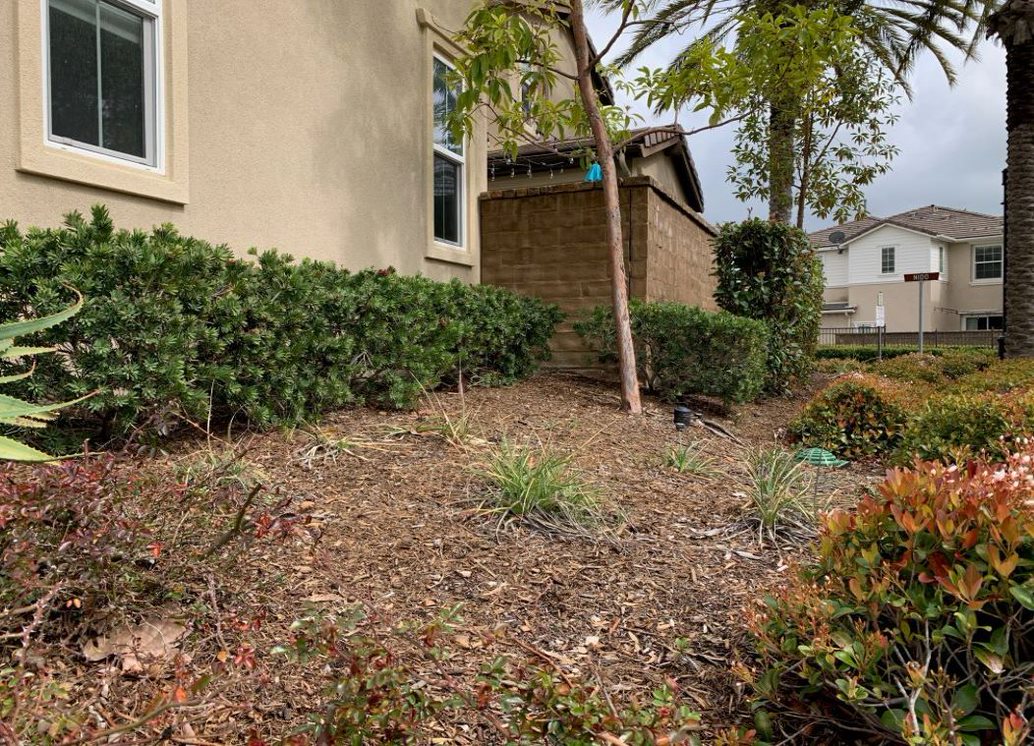
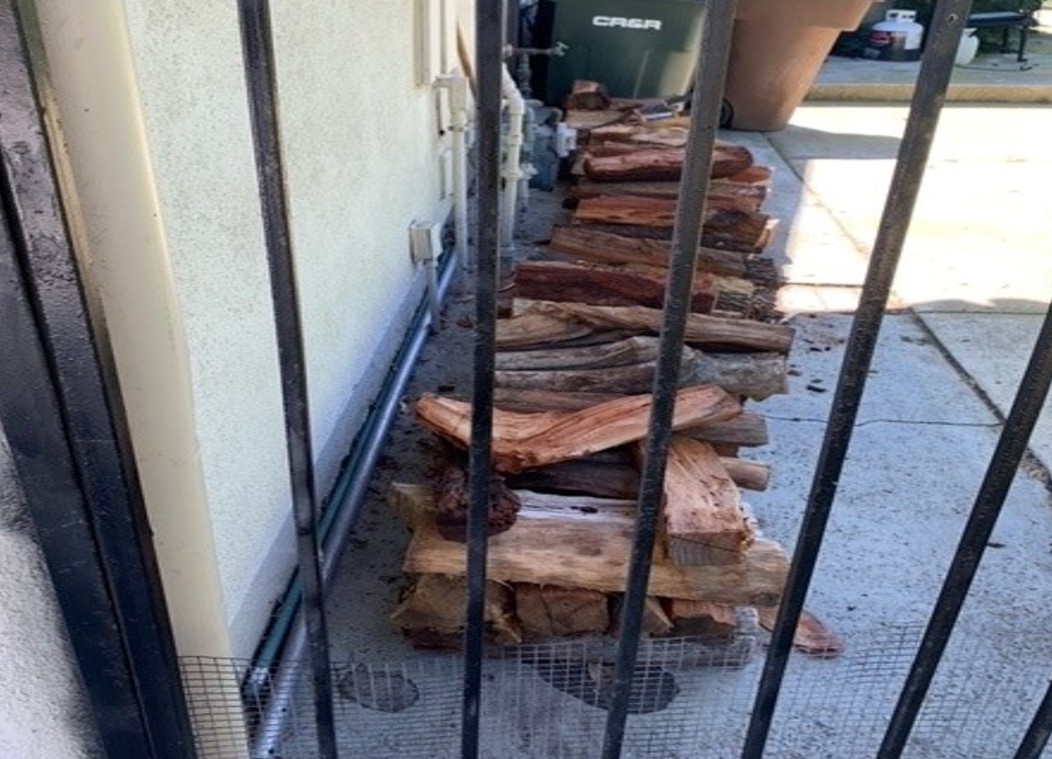
Are there any combustible items (patio furniture, drapes, rugs, firewood, pet beds, storage items, storage sheds, etc.) located within the first 5 feet of your home (or to your lot line)?
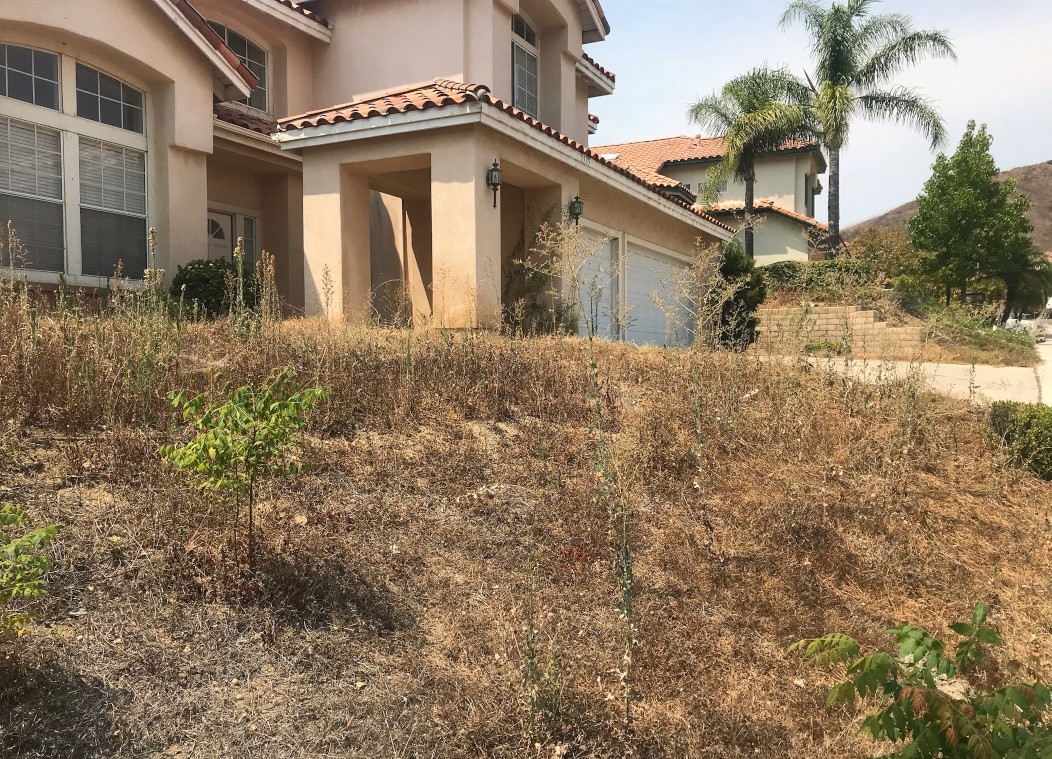
Are all weeds and grasses within 5-30 feet of your home (or to the lot line) string trimmed to 4 inches or less and the cut material removed?

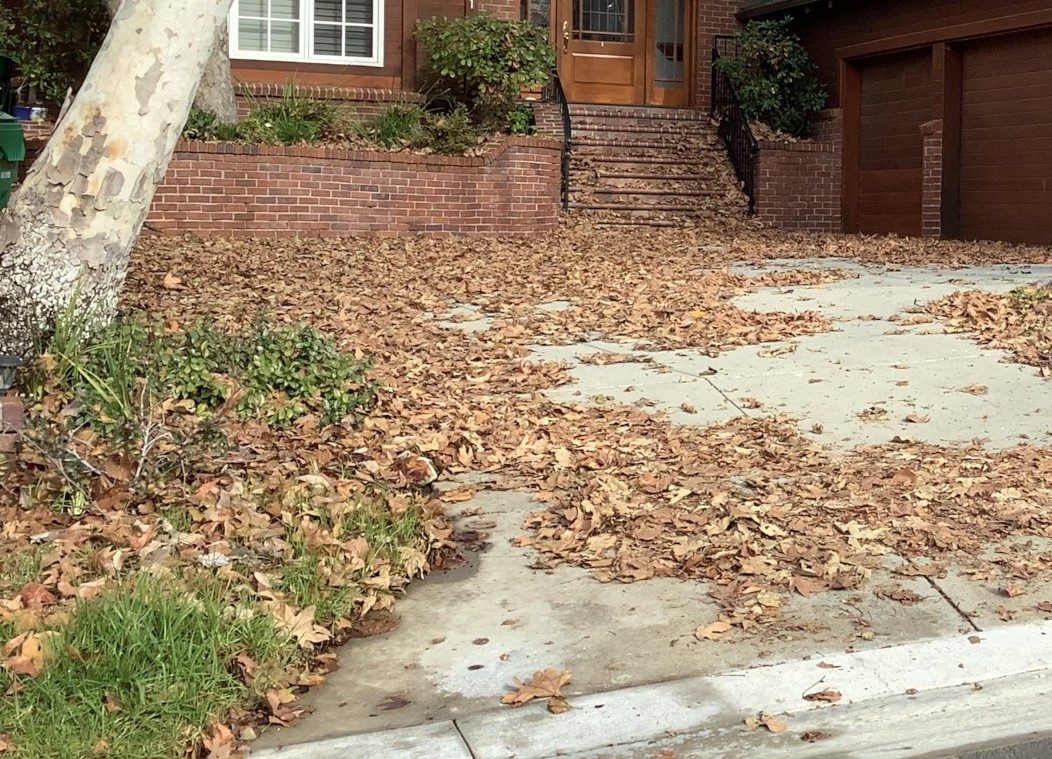
Is there accumulated leaf litter and/or other vegetation debris (pine needles, palm fronds, etc.) within 5-30 feet of your home (or to the lot line; i.e. under trees and shrubs, etc.)?

Do the trees and shrubs within 5-30 feet of your home (or to the lot line) have horizontal separation per OCFA's Vegetation Management Guideline?


Do the trees and shrubs within 5-30 feet of your home (or to your lot line) have vertical separation per OCFA's Vegetation Management Guideline?


Are there combustible items (firewood, lumber, vehicles, etc.) stored 5-30 feet of your home (on your property)?
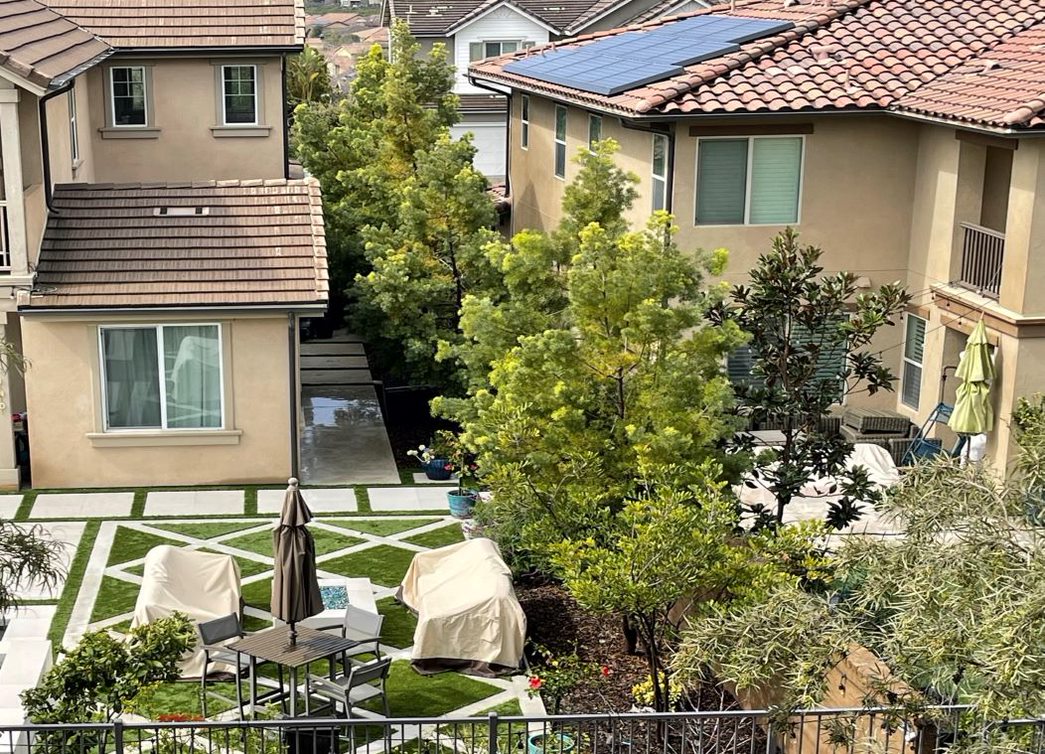
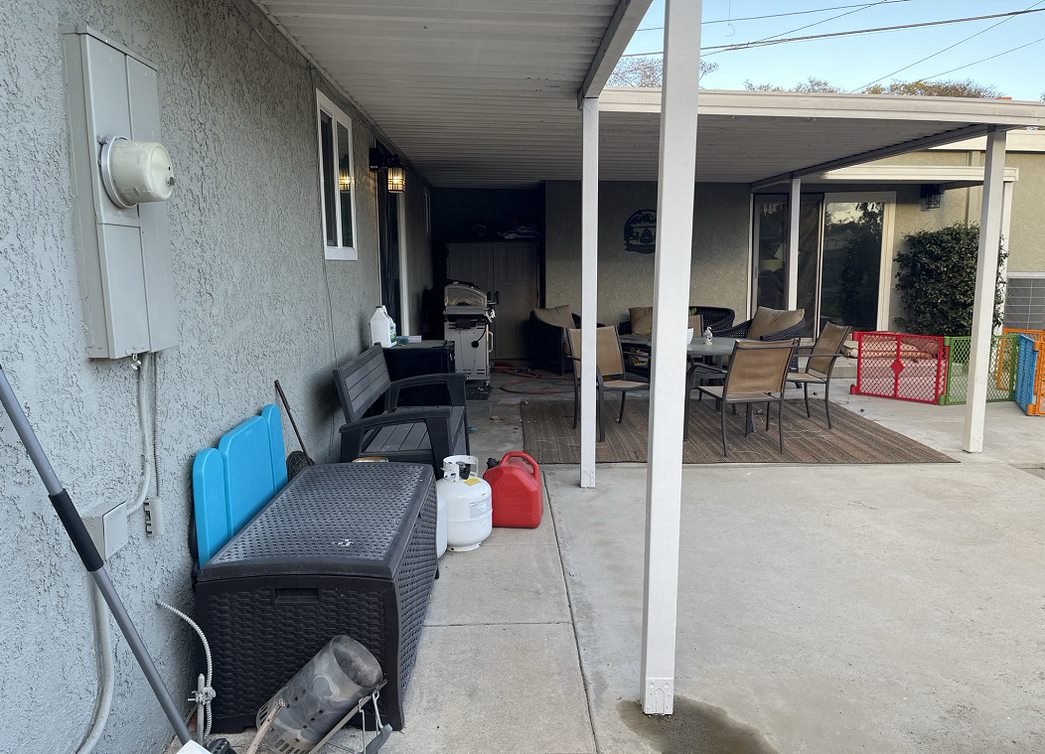
Are there any combustible accessory structures (garages, sheds, gazebos, etc.) within 5-30 feet of your home (on your property)?


Are all weeds and grasses within 30-100 feet of your home (or to your lot line) string trimmed to four inches or less and the cut material removed?

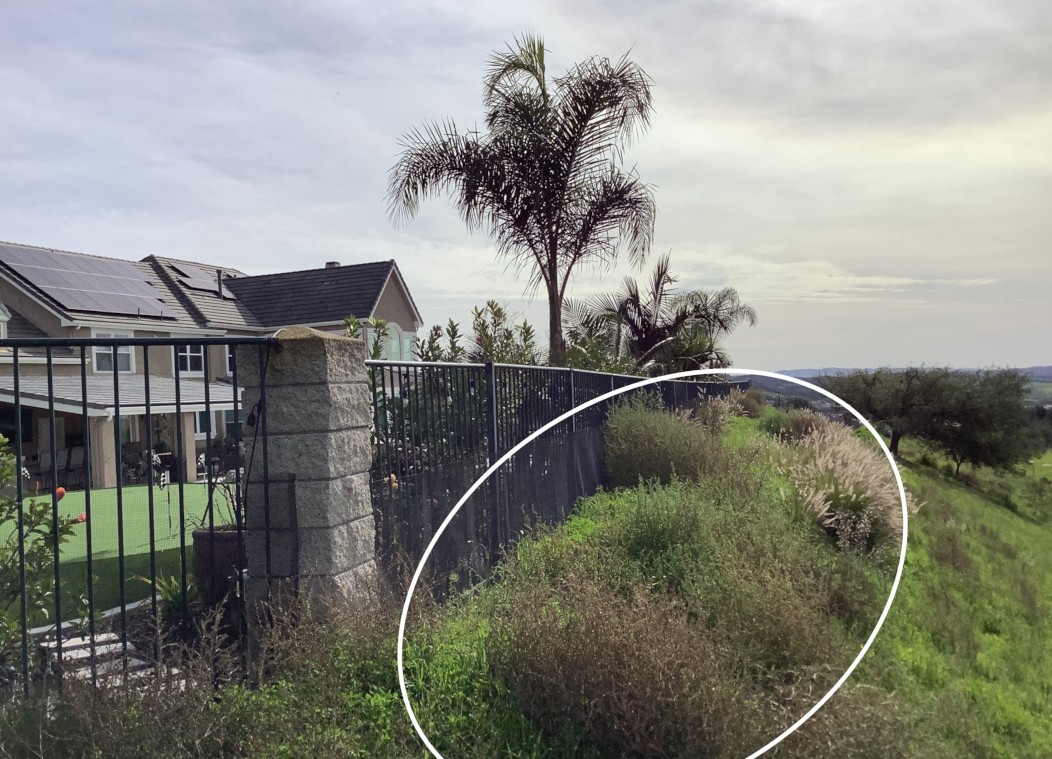
Is there accumulated leaf litter and/or other vegetation debris (pine needles, palm fronds, etc.) within 30-100 feet of your home (or to your lot line; i.e. under trees and shrubs, etc.)?

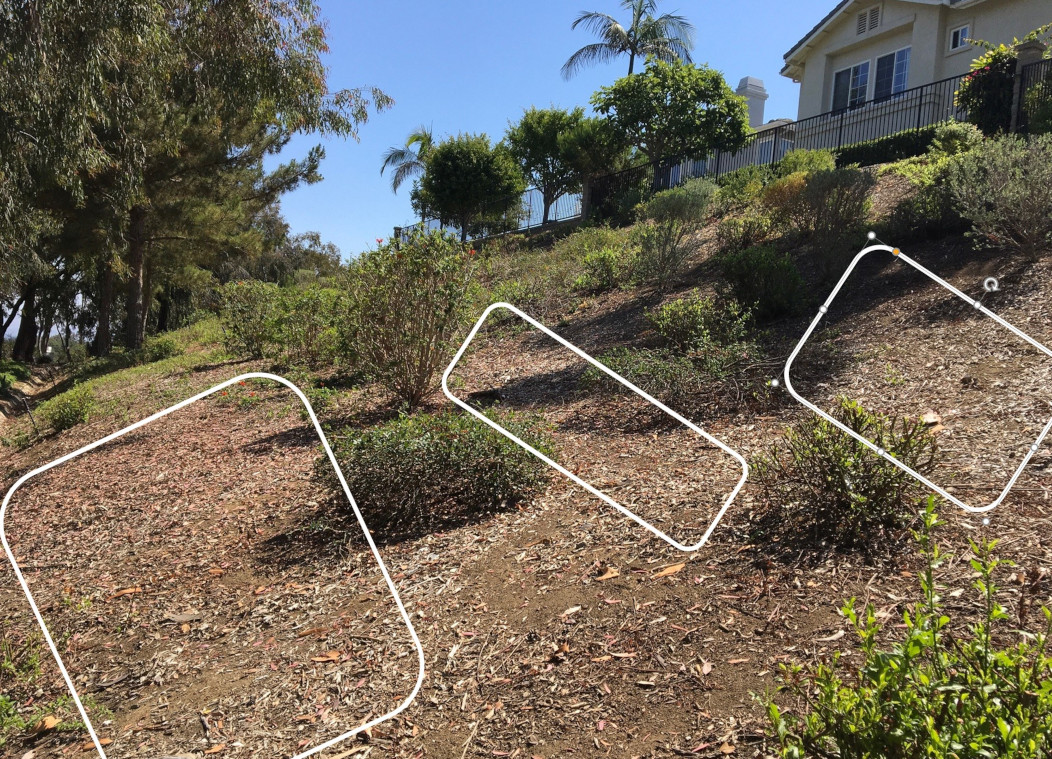
Do the trees and shrubs within 30-100 feet of your home (or to the lot line) have horizontal separation per OCFA's Vegetation Management Guideline?


Do the trees and shrubs within 30–100 feet of your home (or to your lot line) have vertical separation per OCFA's Vegetation Management Guideline?


Do you have vegetation on your property that provides privacy screening between your home and your neighbor (i.e. hedgerow)?

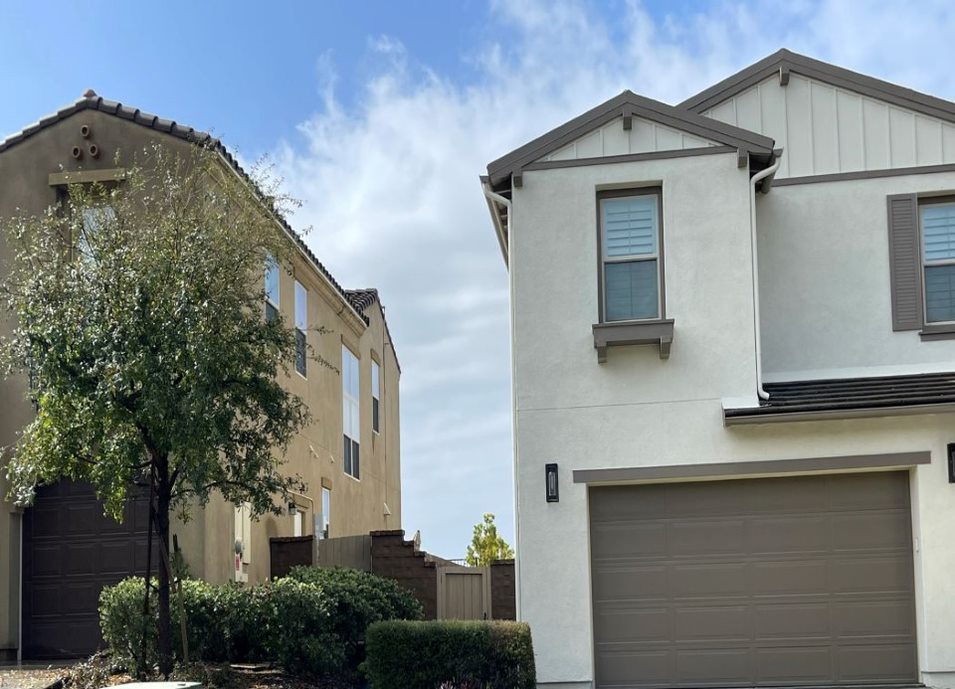
Does your home sit at the top of a slope?

Does your home sit at the bottom of a slope?

Thank you for completing the online OCFA Home Assessment.
Please provide an email to be sent a copy of the Home Assessment report.
Results:

Thank you! You have taken the first steps to making your home more resilient during a wildland fire event. Home Hardening in conjunction with vegetation management give your home the best chance of surviving a wildfire. Below are the recommendations for your home based on the answers provided during the Orange County Fire Authority's Home Assessment.
Please note that when you take action to retrofit the construction features of your home, you will need to refer to the California Residential Code and your local building department will need to be contacted for specific requirements.
Should you have additional questions please contact us at (714) 573-6774 or email us at RSGOC@ocfa.org
Orange County Fire Authority
1 Fire Authority Road, Irvine, CA 92602
(714) 573-6000


